Parents 'begging' for mental health services for their children
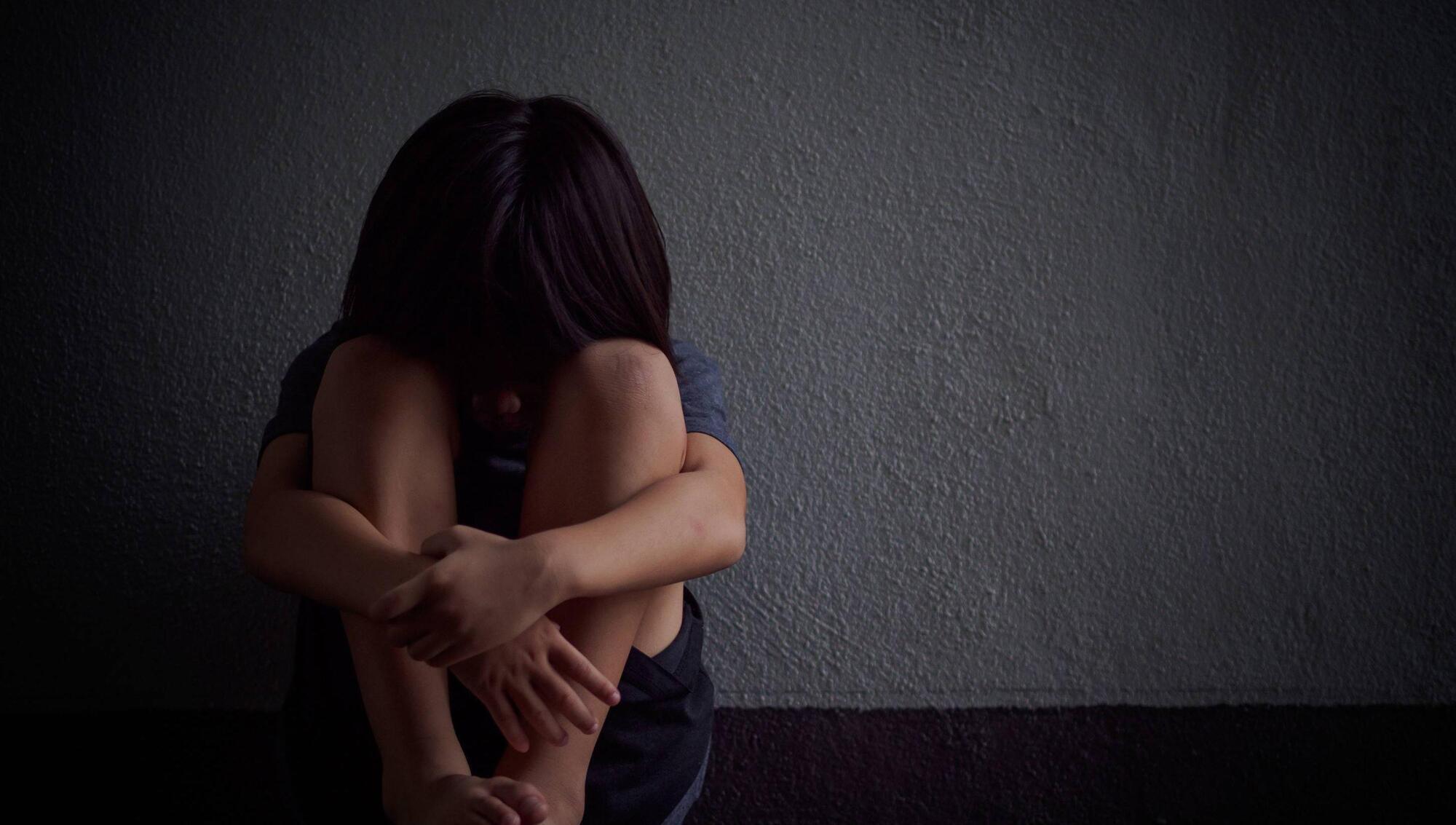
Children are falling through the gaping cracks between mental health and disability services, a new Mental Health Commission report finds.
Children are falling through the gaping cracks between mental health and disability services with children waiting up to three years to be seen and no one service for the many children with both autism and a mental health diagnosis.
Parents are left “begging” for their children to be seen as they watch them deteriorate as they are passed from one unacceptably long waiting list to another, a new report into Child and Adolescent Mental Health Services (Camhs) found.
The Mental Health Commission (MHC) on Thursday morning published individual reports into Camhs provision in each of the nine community healthcare organisation areas of the HSE.
It found that families who can afford it are paying for care privately, with some making three-hour roundtrips to access private care.
Under the reconfiguration of the children’s Disability Services, children’s disability network teams (CDNTs) will only take children who have a complex intellectual disability and/or autism. Camhs will only see children with an intellectual disability and/or autism if they also have a moderate to severe mental illness.
“The waiting lists for CDNTs and primary care are extremely lengthy, and it can take years to get an appointment," the report noted.
“Extensive frustration” was expressed by parents over the lack of autism spectrum disorder (ASD) services and that Camhs does not see children with ASD unless they have a moderate or serious mental illness.
It also found no dedicated Camhs service for children and adolescents with an intellectual disability and mental illness.
One parent told of writing “begging letters” to Camhs so her child would be seen.
Another spoke of how her child had “lost three years of his life” on different waiting lists across the different services.
Average wait time in Cork and Kerry Camhs was four months, according to a patient sample taken by the MHC. A “reasonable” wait time is three months or less.
An ADHD query was the top reason for referral, followed by an anxiety query, followed by concerns about an eating disorder.
A child or adolescent queried to have ADHD waits on average seven months from referral to assessment, a child or adolescent queried to have anxiety waits on average three months to be assessed, a child or adolescent queried to have depression waits on average four months to be assessed, and a child or adolescent queried to have an eating disorder waits on average one month to be assessed in Cork Kerry Camhs.
Children with suicidal intent were waiting for more than 50 days on average to be seen, according to a sample of patients in Cork and Kerry.
Nationally, there were 4,451 children and teenagers waiting for Camhs services.
Cork and Kerry had the biggest waiting list with 902 children and teenagers waiting for Camhs care.
Difficulties in accessing beds in Cork's eating disorder inpatient unit Eist Linn were also noted, with one young person with an eating disorder waiting in the general hospital for six weeks.
No consultant psychiatrist in the adult eating disorder team caused difficulties in referring patients to adult services when they turned 18. But an adult eating disorder team was to commence a service in July, the report noted.
But overall, clinical files for Camhs eating disorder treatment in Cork and Kerry “indicated a high standard of care”, the MHC found.
A lack of permanent consultant psychiatrists in three teams in Cork Kerry Camhs was of "serious risk to children and young people", the report found.
It said that given the "complicated, piecemeal and unsustainable efforts to fill the considerable gaps, coupled with the unlikelihood of filling these posts", Cork Kerry Camhs should consider other models of service provision to ensure a safe service.
Some parents spoke to the MHC about their children’s side effects from medication.
Others said they were told that if their child did not take medication, they would be discharged with no other treatment offered.
Concerns were expressed about clinical files that had gone missing and that their children had to “start again” as all information was gone.
However, some parents also said how “nice” and “helpful” individual staff in Cork and Kerry were when their child was accepted by Camhs.
In conjunction with some substandard clinical care due to understaffing, substandard IT systems which could compromise patient safety and confidentiality were also noted.
The lack of effective IT systems “severely hinders management of case files” and “leads to inefficiency, the risk of not identifying cases that may become lost to follow-up and the inability to comprehensively audit practice”.
Poor infrastructure in some areas of Cork Kerry Camhs left clinicians and patients in crowded, inappropriate settings with no soundproofing and filing areas which were not sufficiently secure.
CONNECT WITH US TODAY



Be the first to know the latest news and updates