Senior Garda says policing injection centre will be 'challenging'
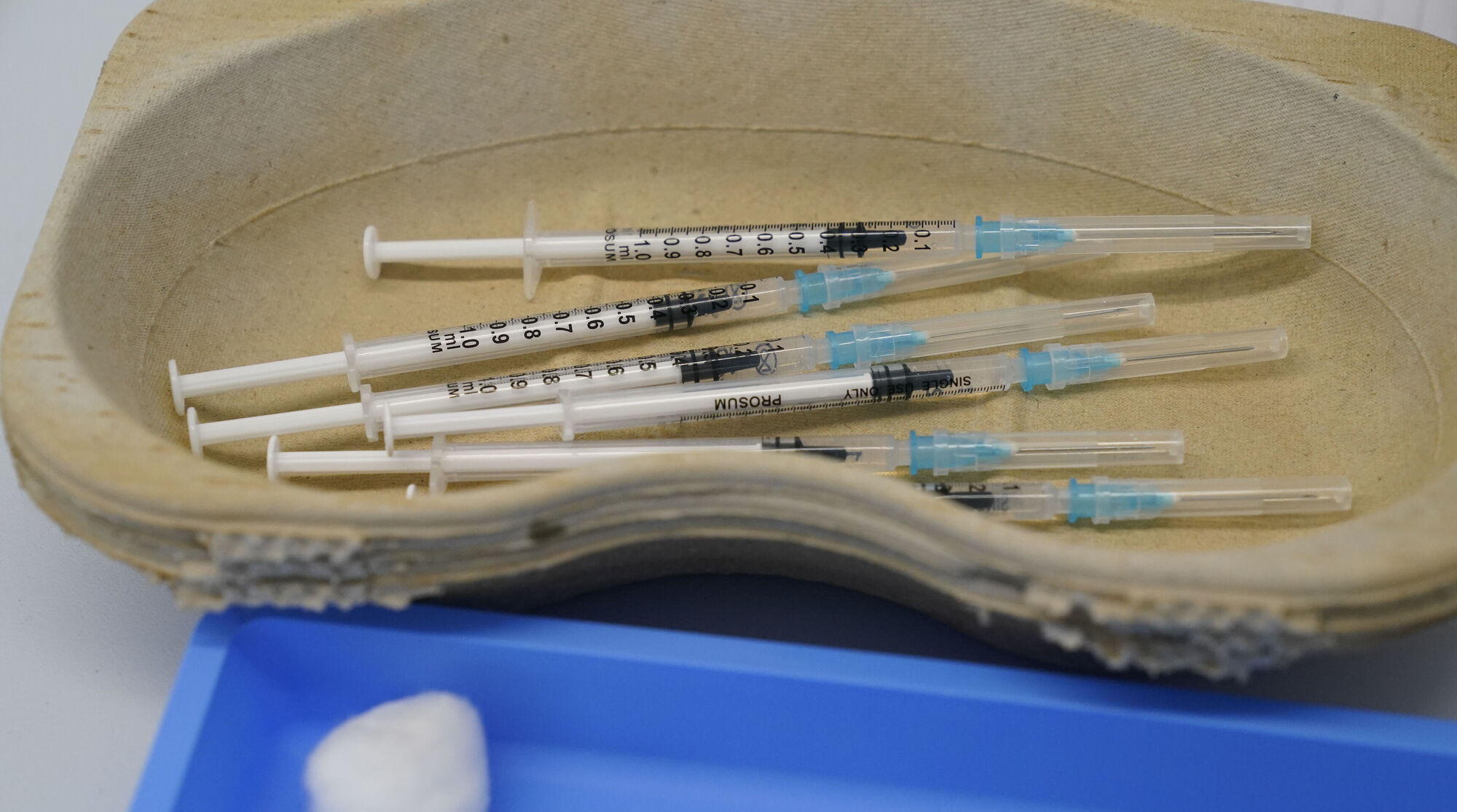
The pilot medically supervised injecting facility (MSIF) was legislated for in Ireland in 2017 but only cleared a final legal hurdle last January
A senior Garda has said the policing of the country’s first legal drug injecting facility is “going to be challenging”.
Assistant Commissioner Justin Kelly, head of Organised and Serious Crime, said a policing plan has been drawn up, which, he said, has been informed by field trips to Switzerland and France, where similar centres are in operation.
He said Garda delegations held detailed discussions with police in those jurisdictions including in relation to the legalities and practicalities of policing injecting centres.
The pilot medically supervised injecting facility (MSIF) was legislated for in Ireland in 2017 but only cleared a final legal hurdle last January after a lengthy court and planning battle.
The HSE has awarded Merchants Quay Ireland the contract to run the pilot facility, which will operate in the basement of the charity’s existing premises on Wood Quay, in Dublin’s south west inner city.
The Misuse of Drugs (Supervised Injecting Facilities) Act 2017 marked a landmark change to Ireland’s drug laws criminalising possession of narcotics for personal use.
The act provides an “exemption” to both licensed providers (MQI in this case) and authorised users (registered clients of the facility) to the law regarding possession when in the facility.
The sale or supply of drugs inside the centre remains an offence and possession for personal use outside the facility also continues to be a crime.
But there continues to be some legal uncertainty and confusion as to how gardaí might act outside the doors of the premises, including situations where people, who say they are on their way to the centre, are searched by gardaí and found in possession of drugs.
“Look, it’s going to be challenging,” AC Kelly told the .
He said gardaí have held meetings with MQI as well as the Department of Justice and Department of Health.
“We have a policing plan, prepared in anticipation of the injection facility opening,” he said.
“We have specifically spoken to the police about how they police the centres. For us, it’s not just about how we police the drug addicts, one of the most important aspects is how we police the community in that area, and how we respond to incidents in that area.”
He said this includes any potential increased dealing of drugs in the locality.
The local national school, which is immediately adjacent to MQI, has strongly objected to the proposal and in its case to the High Court claimed the facility would worsen the already serious problems including drug users congregating in the area, engaging in drug buying and selling, overdosing and other anti-social behaviour.
MQI argued there was substantial evidence worldwide that MSIFs reduce public injecting, reduce discarded drug litter, and save lives.
Last May, the Irish Examiner reported that the centre should be open by early next year.
HSE addiction lead Professor Eamon Keenan said they had to go back to the Department of Health for more money as building costs have increased since the previous tender for the project was done some five years ago.
Prof Keenan was speaking after he returned from a trip to Lisbon, where he, along with Cork City Council and Gardaí, observed the operation of both fixed and mobile injecting facilities.
He said the authorities in Cork had a “bit of work” to do before applying for their own injecting centre, but said they would have the experience of the Dublin project to aid them.

CONNECT WITH US TODAY



Be the first to know the latest news and updates