Ireland amongst best in EU for avoiding air pollution deaths
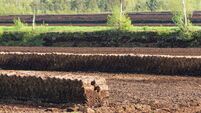
An analysis of European countries relating to environmental quality of life found that Ireland, along with Sweden and Finland, can attribute the fewest premature deaths to air pollution. Picture; David Creedon / Anzenberger
Ireland is better than most of its EU counterparts for avoiding death due to air pollution but remains one of the worst performers in the bloc for the circular economy.
An analysis of European countries relating to environmental quality of life found that Ireland, along with Sweden and Finland, can attribute the fewest premature deaths to air pollution, because it "strictly monitors" emissions at local level, as well as enforcing laws and banning marketing of the likes of black coal.
In contrast, the analysis by the Dublin-based European Foundation for the Improvement of Living and Working Conditions, or Eurofound, said that Bulgaria, Poland and Romania record the highest rates of years of life lost due to PM2.5 exposure.
PM2.5, known as particulate matter, is all solid and liquid particles suspended in air, such as dust, pollen, soot, smoke, and liquid droplets. Chemistry experts such as Professor John Sodeau in Cork have been robust in their campaigning for better air quality in Ireland in recent years.
CLIMATE & SUSTAINABILITY HUB
However, Ireland is one of the poorest performers in the EU when it comes to the so-called circular economy, Eurofound said.
The circular economy is described by the EU as "sharing, leasing, reusing, repairing, refurbishing and recycling existing materials and products as long as possible".
Ireland — along with Bulgaria, Cyprus, Portugal, and Romania — are by far the lowest in the EU for circular economics, all coming in at less than 5% of reuse.
By contrast, the best performer is the Netherlands with a rate of 30%, while Belgium, Estonia, France, and Italy all achieve around 20%, Eurofound said.
The Circular Economy Act was signed into Irish law in July 2022, with the circular economy legally defined for the first time.
The independent Climate Change Advisory Council warned in its annual review last month that the "waste sector continues to be significantly affected by rates of material consumption".
Municipal waste production in Ireland is increasing, up 4% from 2019 to 3.2 million tonnes in 2020, increasing the challenge of reaching targets for reducing waste and increasing the circular economy, it said.
While significant progress has been made in managing waste streams over recent years, many waste metrics have plateaued over the last 10 years, the Climate Council said.
"The recycling rate has remained level and was 41% in 2020. Achieving a recycling rate target of 55% by 2025 will be a challenge, and significant progress must be made to accomplish this over the next two years, especially as the most recent statistics available for 2021 indicate a declining recycling rate."