HSE defends work of special unit tackling hospital overcrowding
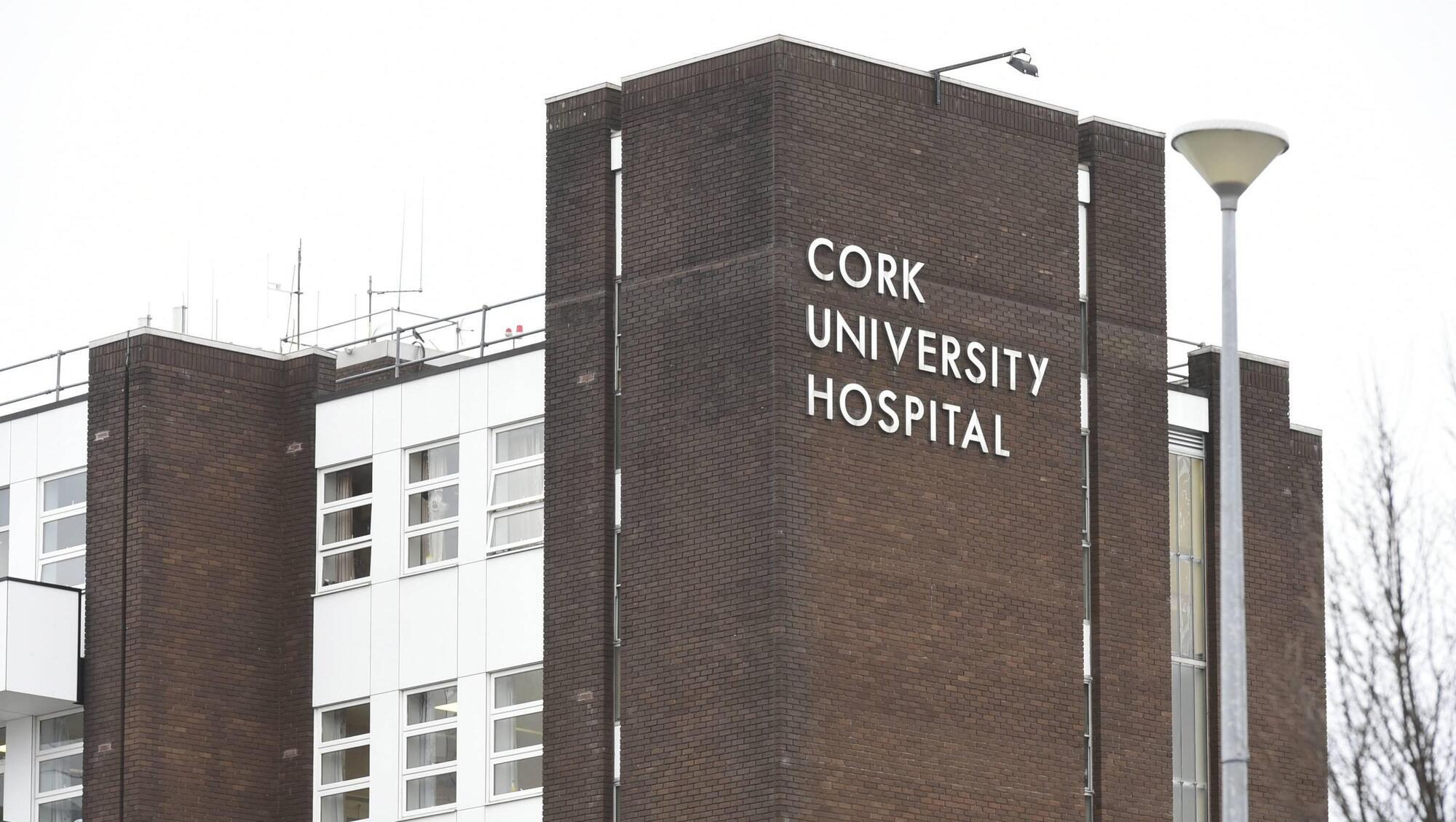
The HSE’s National Integrated Operations and Performance Management and Improvement Unit have been working with hospitals including University Hospital Limerick (UHL) and Cork University Hospital since last spring.
The HSE has defended the work of its special unit which tackles hospital overcrowding, and said hospital managers will have new national standards to meet this winter.
Last month, 7,832 people spent a night in hospital without a bed — down on last year’s record high of 9,191 for July, according to the Irish Nurses and Midwives Organisation (INMO) data.
The HSE’s National Integrated Operations and Performance Management and Improvement Unit have been working with hospitals including University Hospital Limerick (UHL) and Cork University Hospital since last spring.
A spokeswoman said this work supports service improvements.
She said this winter will see a new approach under the Urgent Emergency Care Operational Plan 2023, referring to the “sustained and record pressures” facing hospitals.
They hope to standardise the approach, to help patients get treated faster and in the right place.
Health Minister Stephen Donnelly has committed to reducing trolley numbers, and his office also defended progress made, saying the INMO figures are not the same as the HSE’s own trolley figures for July.
This has been an ongoing debate, as while the INMO counts all patients without an in-patient bed including those on chairs, trolleys, and on ‘surge beds’ meaning beds which should not normally be in use for day-patients, the HSE does not count those overflow beds as a problem.
“According to HSE TrolleyGAR figures, 6,599 patients were counted on trolleys at 8am in Emergency Departments nationally during July 2023, 30% lower than the 9,458 counted in July 2022,” the Department spokesman said.
He did accept however that even the HSE figures show “65,586 patients counted on trolleys at 8am cumulatively this year to the end of July 2023, up 2.4% compared to 64,034 patients for the same period in 2022.”
He also said these pressures are no longer just winter pressures, and reiterated hopes around the new plans which were approved by Government last week.
Last month, some 1,824 people were waiting on trolleys at University Hospital Limerick (UHL), some 23% of the national total. It also represents an increase from last July.
A spokesman for UHL said the hospital has had a sustained period of managing "significant high numbers" of patients at the ED, including frail, elderly, and other patients with complex needs. Some 220 people attended the ED every day in July. He said staff at the hospital continue to "balance the needs" of all patients and are "working hard to reduce waiting times".
"Measures taken on a daily basis include the opening of surge capacity across all sites; transfers of patients on trolleys to our inpatient wards; reductions in scheduled care; additional ward rounds by medical teams to expedite discharges or to identify patients suitable for transfer to Ennis, Nenagh and St John’s Hospitals; and working closely with our colleagues in HSE Mid West Community Healthcare in order to expedite discharges," he said.
However, he added that despite the increase in bed capacity at UHL since the pandemic, the hospital "lags behind" other hospital groups in terms of bed capacity. Construction of a new 96-bed block is underway but this will take two years to complete.

CONNECT WITH US TODAY



Be the first to know the latest news and updates