Richard Bruton: Not sustainable to be collecting money on basis of TV ownership
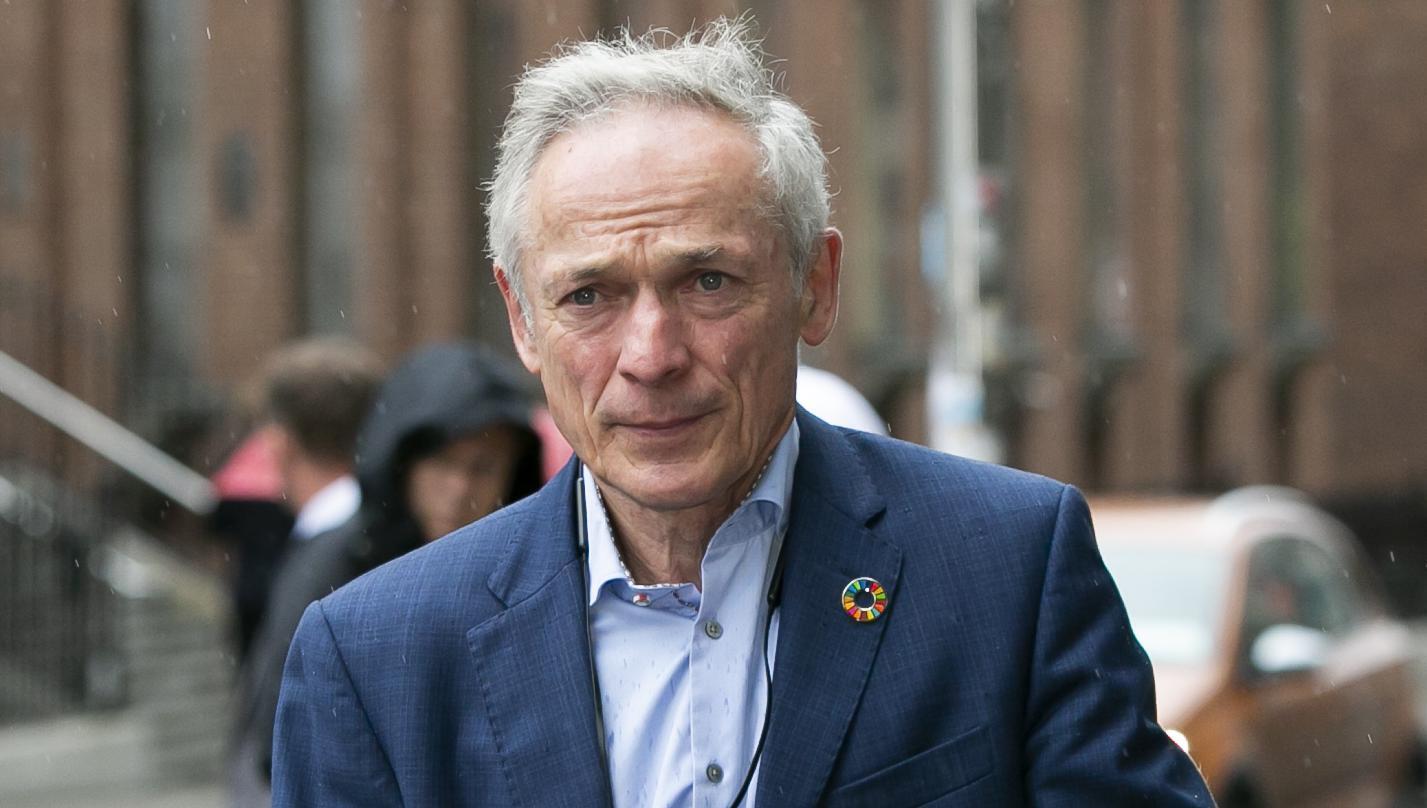
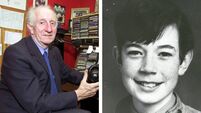
Richard Bruton: 'Who is consuming all their media through owning a TV? Then there's substantial numbers who don't pay and who avoid and then there's the substantial cost of collecting.' Picture: Gareth Chaney/ Collins
Former communications minister Richard Bruton has said the Government was wrong to reject the recommendations of the Commission on the Future of Media last year for a move away from the television licence fee to exchequer funding.
Mr Bruton said the Government had not favoured a move to direct funding from the exchequer, but he and a number of other politicians including Ciarán Cannon, Michael Carrigy and Jerry Buttimer had been working on a more sustainable system of funding for the State broadcaster which moved away from the licence fee.
“It's just not sustainable to be collecting money on the basis of ownership of a TV. Who is consuming all their media through owning a TV? Then there's substantial numbers who don't pay and who avoid and then there's the substantial cost of collecting.”
Mr Bruton was speaking on RTÉ radio after it was revealed there has been a drop of almost €1m in TV licence fee revenue since the RTÉ secret payments scandal emerged, raising concerns the broadcaster will need a financial bailout.
The number of people paying the TV licence has fallen by 5,837 across June and the first week of July when compared to the same period last year.
Mr Bruton said he was concerned this was a trend that could not be easily reversed and commercial income could be adversely affected.
“I think if this continues, the Government will be faced with decisions that it had sought to avoid after the Commission on the Future of Media was first published.
"And they also proposed that you would have a much more powerful Media Commission, which would have substantial authority to set budgets, not having it bolstered by the Dáil, as would be the case with other bodies. So it'd be treated more like the Fiscal Advisory Council.”
The Media Commission would provide funding, not just to RTÉ, but also to a wider range of public service media.
“One of the things we found when we looked at this was the impact on local newspapers. The decline in circulation has been phenomenal. Circulation has halved. Their advertising was really completely shot through. The reality is now over half of advertising is going online and that has taken a massive amount. So if you're a traditional media and if you want to have quality journalism, you're going to have to find some way of reversing that.
“One option, obviously, is copyright income, where those platforms who use the content created by journalists pay a fairer fee. And that is still very much in the pipeline. It hasn't landed in terms of a new source of money. Finding new ways to reach customers through digital platforms that would need a substantial investment. So what's significant, I think, in what the Government have agreed is that the Media Commission will in future be providing six pots of money for a public service broadcasting outside of RTÉ.”
Mr Bruton acknowledged the idea of a broadcasting charge similar to local property tax would not be popular. But any funding from the exchequer could not go directly to RTÉ.
“You can't have media directly funded by Government in that way other than as a very temporary measure in the sort of crisis we're now in. So long term, you have to create an independence of broadcasting, the Media Commission, rather, from your day-to-day politics. I think that's fair.”
Issues such as how revenue would be increased, how it is dispersed, not just to RTÉ, but also to other players, would have to be accountable and held to high standards, he said.
The previous combination of mixed funding from the licence fee and advertising no longer provided a stable future for public service broadcasting, he said. There had been no appetite for change.
“There was a lot of internal resistance for different reasons. This crisis definitely will force a re-examination of the reasons that were offered for not going the whole hog, if you like, and looking afresh at this.
“I think now is the time to do it. But RTÉ needs to do its work of becoming more trusted. But also there's a lot of work to design a Media Commission that will be seen to be fair, objective and that people won't, after a while, be objecting to, what they're paying for it through that.
"So you need to create something like a social contract almost, which is the words used by the Future of Media Commission around how we fund broadcasting and media and journalism that's in the public interest.”