Number of 'unexplained' missed school days quadrupled in just three years
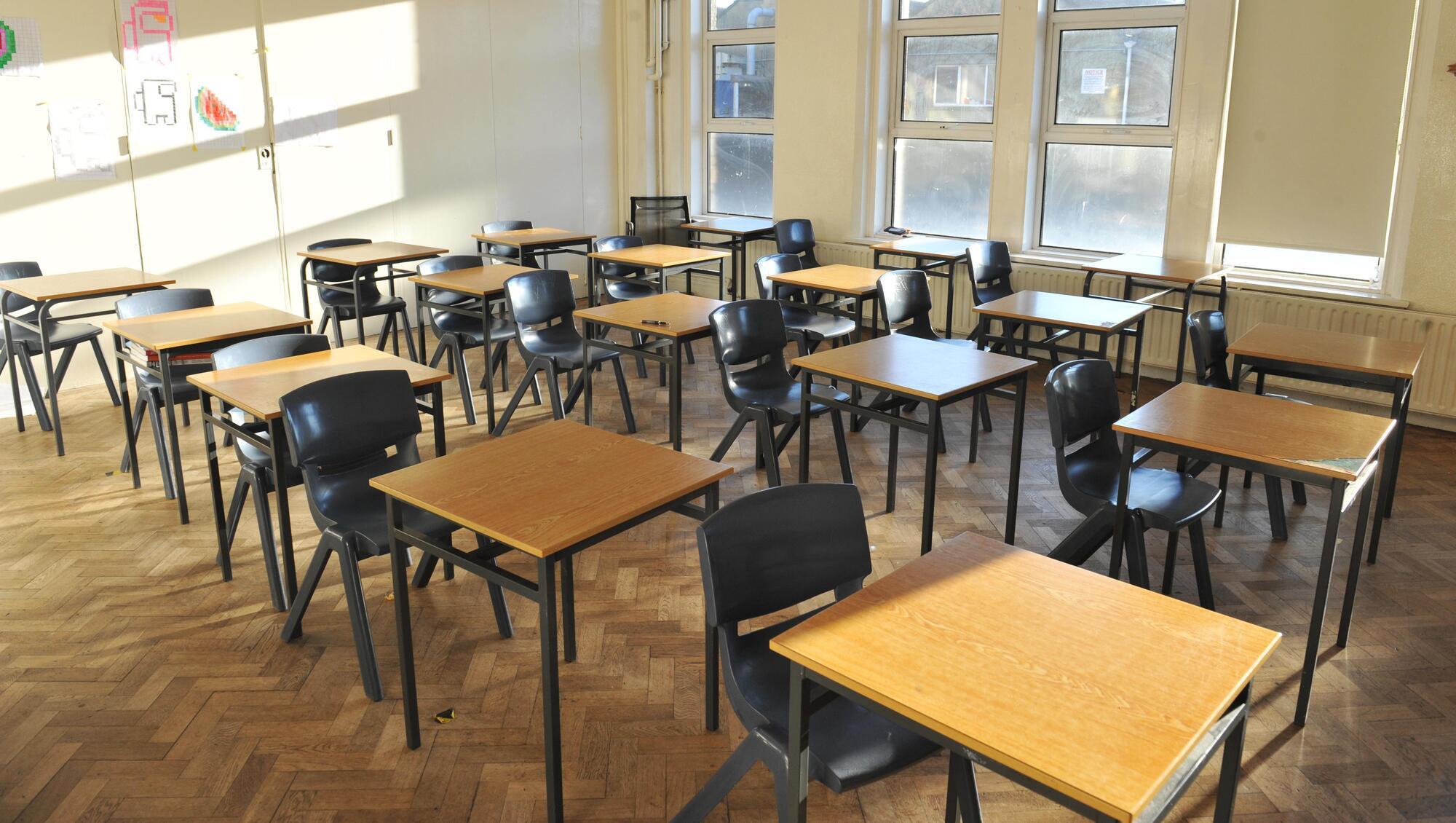
While the pandemic severely impacted attendance, the surge in 'unexplained' school absences is causing particular concern. File picture: Larry Cummins
“Unexplained” school absences have quadrupled in just three years, raising concerns that thousands of students have missed out on crucial parts of their education.
Between September 2019 and the end of term last summer, 24.7m school days were recorded by Tusla as ‘lost’, with absences due to covid severely impacting attendance.
Prior to the pandemic, the average percentage of primary pupils who missed more than 20 days of school per year was 11.6%, while the equivalent percentage for post-primary students was 15%.
By 2021/22, those figures had skyrocketed to 40.3%, or 173,072 primary pupils, and 26.8% at post-primary level, numbering 69,097 students.
The pandemic has played a role, with illness accounting for a significant number of absences, accounting for 2.9m days by 2021/22.
However, by the summer of 2022, ‘unexplained’ absences of students from school had grown from 542,318 in 2019 to more than 2.23m.
The problem is particularly marked in disadvantaged schools. Almost six out of 10 students in Deis Band 1 schools missed out on 20 days of class time or more from 2021 to 2022.
There are fears that while better-off families may have the necessary resources to make sure their children catch up on missed days, it is not as easy for families who are already struggling.
Due to a high correlation between poor school attendance and early school leaving, Tusla must be notified by law when a child misses more than 20 days or more of school.
The new figures are included in data published by Tusla which looks at school attendance records from the school years starting in September 2019 and finishing up at the start of last summer.
Despite schools being fully open, attendance was most severely affected from September 2021 to the summer of 2022 when more than one in ten school days were lost to absences due to illness, urgent matters, unexplained reasons, or other factors.
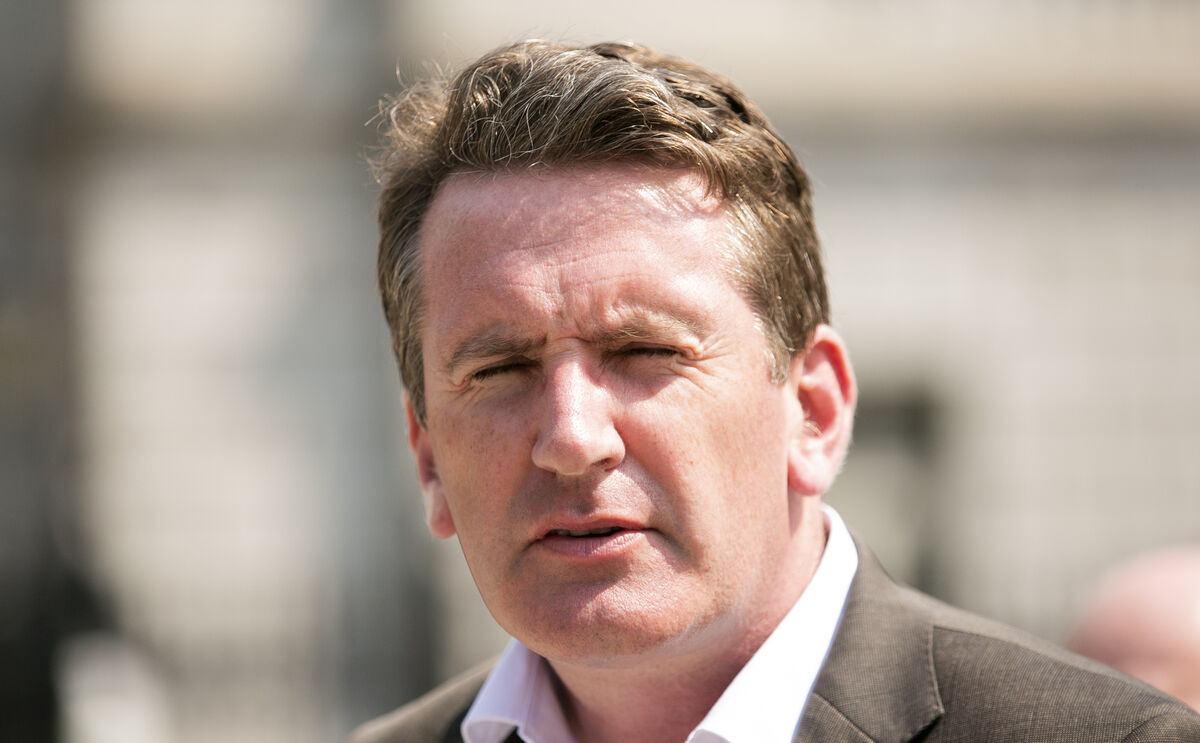
Labour’s education spokesman Aodhán Ó Ríordáin points to the “profound” interruption in the school life of children from which the system is still recovering.
“I am most concerned about those who don’t have other supports,” he said.
“There’s a sort of ‘well, let’s move on’ attitude from the Department of Education that does not recognise the reality of school life. Those poor attendance patterns can be embedded at a very early stage, and we haven’t gotten around to beginning to assess how to address that.
“The feeling of ‘well, it’s over now, everybody is back in school and we are fine’ is nowhere near the lived reality of what teachers are experiencing.”
Sinn Féin education spokeswoman Sorca Clarke called for an expansion of the home school liaison service, which works with students at risk of leaving school “so that where there is an identified need, there would be a specific home school liaison officer available to go and rebuild that relationship”.
The Irish National Teachers’ Organisation said that the best way to tackle the “myriad” challenges following the pandemic is to ramp up investment in education, including lowering class sizes, restoring middle leadership teams who play a critical role in coordinating special education and wellbeing initiatives, and funding on-site school counselling services.
“We must accept that Deis schools face tougher challenges, and the forthcoming budget must deliver bespoke supports to schools serving the 50 most disadvantaged areas.”
CONNECT WITH US TODAY



Be the first to know the latest news and updates