McGrath confirms income tax cuts in next budget
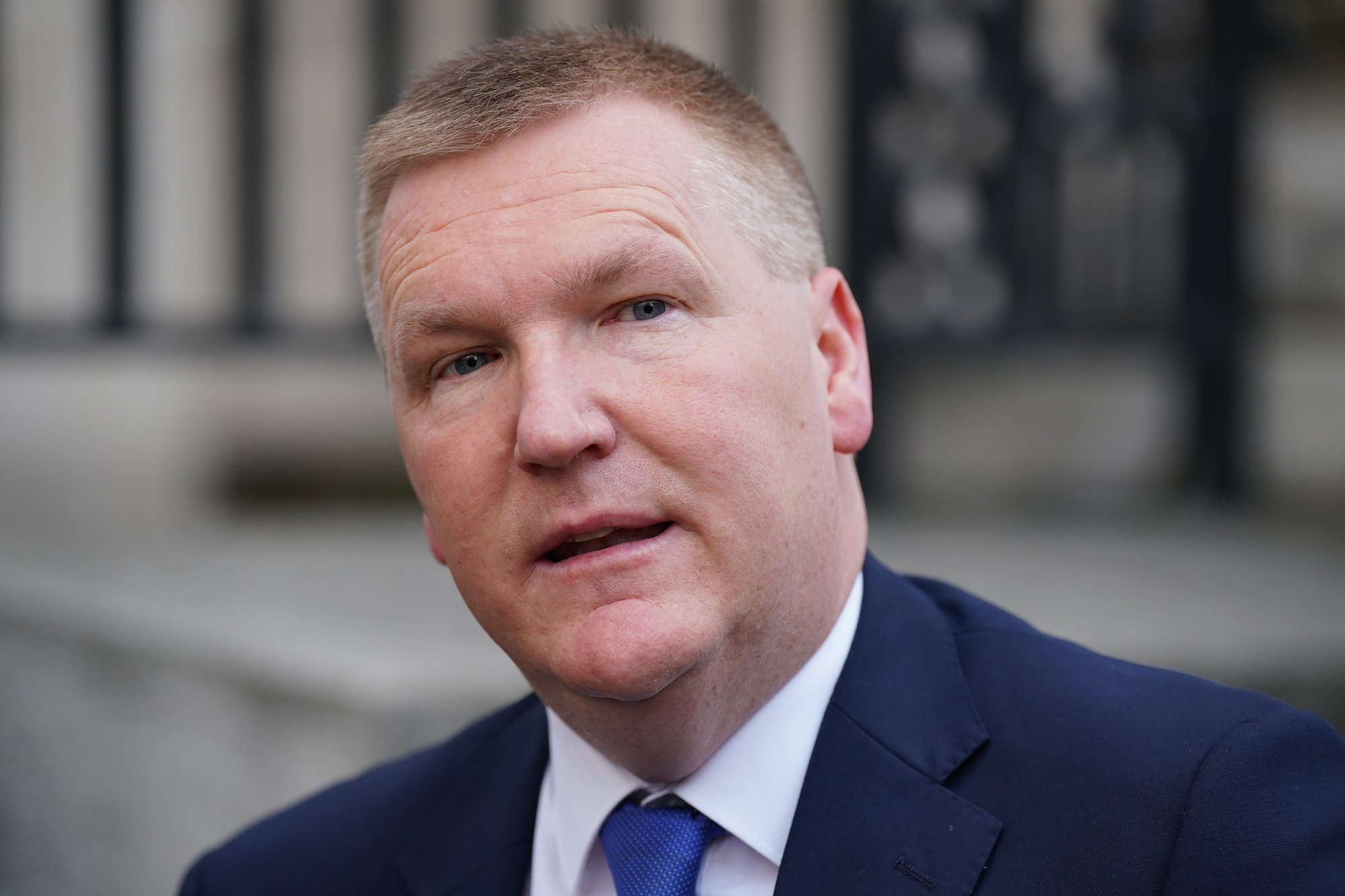
both Mr McGrath and the Taoiseach have now promised tax cuts. A road map for the next budget will be revealed in the Governmentâs summer economic statement, due to be published on Tuesday. Picture: Niall Carson/PA
Income tax cuts are coming in the next budget, the Minister for Finance has promised.
But Michael McGrath also sounded caution saying that although Ireland has record-smashing revenues this year, with corporate tax receipts expected in excess of âŹ24bn, these âwindfallâ profits could not be expected in perpetuity so must be invested wisely and not squandered on an overly generous budget.
The Economic and Social Research Institute (ESRI) has warned in recent days there is âno rationaleâ for tax cuts. The economy is growing, inflation is falling, and there are some concerns that pumping more money into the economy in Budget 2024 could overheat it.
But both Mr McGrath and the Taoiseach have now promised tax cuts. A road map for the next budget will be revealed in the Governmentâs summer economic statement, due to be published on Tuesday.
With lower and middle-income families still struggling amid a housing and cost-of-living crisis, an election looming, and a hefty budget surplus, it is expected that the budget will be generally generous, especially to middle-income earners.
âWe will reduce the burden of income tax in the budget,â Mr McGrath said. âWhether it be through the USC or income tax, we do have to make changes.
âI know a lot of organizations are advocating against any changes to the income tax code. But were you to make no changes to your income tax code system, as incomes rise, people pay more and more income tax and their effective rate of tax â the proportion of their income overall that is paid in tax â will increase.
He said the right balance has to be struck between providing enough support for the economy and society while at the same time not adding to the inflationary pressures that are there.
âInflation is falling and Government has to assist in getting inflation down and not pushing it back up," he said.
âWe are seeing the overall level of inflation fall â it is below 5% now. But we need to get inflation down to 2%. Otherwise there will be a further tightening of monetary policy with further increases in interest rates which can hurt businesses and households.âÂ
 Difficult decisions have to be made in every budget, Mr McGrath said.
âThere are never enough resources to meet all of the needs that are there. And even if the resources are available [âŠ] itâs not always the right decision to use them.âÂ
Current budget surpluses are essentially coming from windfall corporation tax receipts that wonât repeat year-in, year-out, Mr McGrath said.
âThe advise from the Revenue Commission and my own department is that about half of the expected corporation tax receipts this year of âŹ24bn are potentially windfall in nature. Thatâs advice I simply cannot ignore.
âA decade ago we were collecting about âŹ4bn a year in corporation tax, in 2020 it was around âŹ12bn, this year, it will be about âŹ24bn, and possibly higher. So the rate of growth is extraordinary and the concentration and the dependence on a very small number of companies does introduce a level of risk.
âBut also to make sure we have resources put away to sustain an ambitious programme of capital investment over the years ahead, as well as reducing the national debt to make sure that our finances are more sustainable into the future.âÂ
 Part of the reason Irelandâs corporate tax receipts are so high this year is because of multinational corporationsâ intellectual property registered in Ireland, he said.
âIreland has seen intellectual property come onshore in recent years. We have seen very significant royalty payments that are coming from multinationals all over the world into their Irish operations which inflates the amount of profits that are subject to Irish corporation tax.
âBut in the same way that intellectual property was brought to Ireland by pressing a button on a keyboard, it can be taken out of Ireland in a manner that is also very easy to do.
âSo that exposes us to risk as regards the overall sustainability of receipts.
âThere is a significant risk that they are windfall in nature which means that we have to be careful about the decisions that we make. We can do more, on one-off expenditures like capital investment. But we should also be putting funding away to meet the costs that we know should definitely be coming our way in demographics and age related pressures over the years ahead.â