Dementia sufferers should not be included in assisted dying legislation, Cork GP says
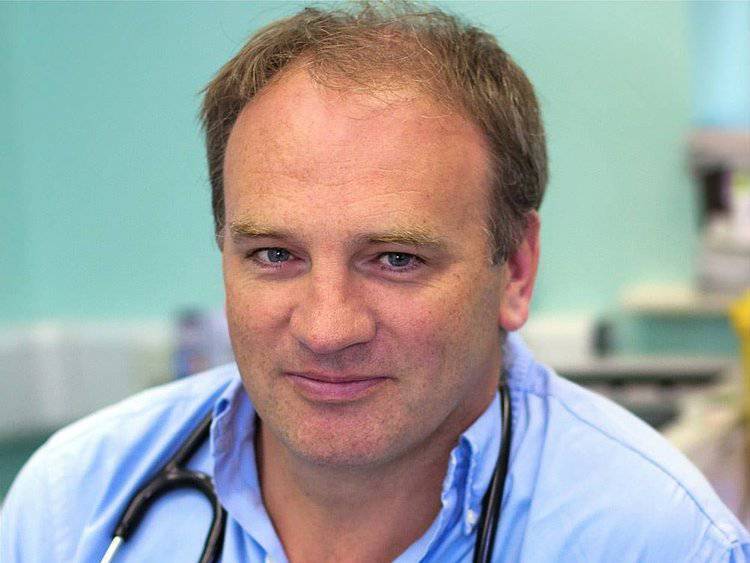
Dr Andy Lyne is one of about 100 doctors, mainly GPs, involved with Irish Doctors Supporting Medical Assistance in Dying.
People with a terminal illness should be given their choice of care, including medical assistance in dying, a group of Irish GPs have said.
Dr Andy Lyne said assisted dying should be limited to people with the mental capacity to make the decision, meaning doctors cannot advocate for dementia sufferers in this way.
“There’s a lot of GPs in the group and we’ve all had experiences where people have asked. I’ve had patients that have asked me ]about assisted dying],” he said.
“I’ve had some patients who begged me, and in those circumstances, in my experience when they did ask, I thought the requests were perfectly and utterly understandable and reasonable. If I was in their shoes, I would have wanted the same.”
Dr Lyne, a GP in Tower, Cork, is one of about 100 doctors, mainly GPs, involved with Irish Doctors Supporting Medical Assistance in Dying.
They made a submission to the Joint Committee on Assisted Dying, which began hearings this week.
“This should be restricted to adults who have the capacity,” said Dr Lyne.
“It’s important that the whole process is voluntary, and to have it truly voluntary, somebody has to give free and proper consent.
He expects the committee will define what terminal illness means in an Irish context.
Definitions already in use abroad include a prognosis of six months to 12 months in the case of neurodegenerative disorders, while others refer to “irreversible decline” or “grievous condition or suffering that isn’t amenable to other treatments".
Voluntary assisted dying is now legal in five Australian states.
Dr Lyne said: “We specifically excluded mental illness from what we are seeking because we feel that isn’t something as a group we were entirely comfortable with.”
They say doctors should be involved in assessing applicants.
“When it comes to the provision of a service, the medication can be administered orally or intravenously and we believe that is a choice that should be available to people,” he said.
Some concerns are being raised already around the potential for coercion.
“It’s something we need to be aware of, but the international experience is it hasn’t been shown to be a significant problem in other jurisdictions. It’s unlikely to be so, if you confine the assisted dying to those who are already dying with a terminal illness,” Dr Lyne said.
In relation to assessing capacity, he said this is something GPs already do, although he said: “Certainly there can be difficult cases”.
He pointed to an option in the New Zealand assisted dying process where a person can be referred to a psychiatrist for a second opinion around capacity, and said this could be also considered here.