'Wartime effort' needed to get 500,000 homes retrofitted, think tank warns
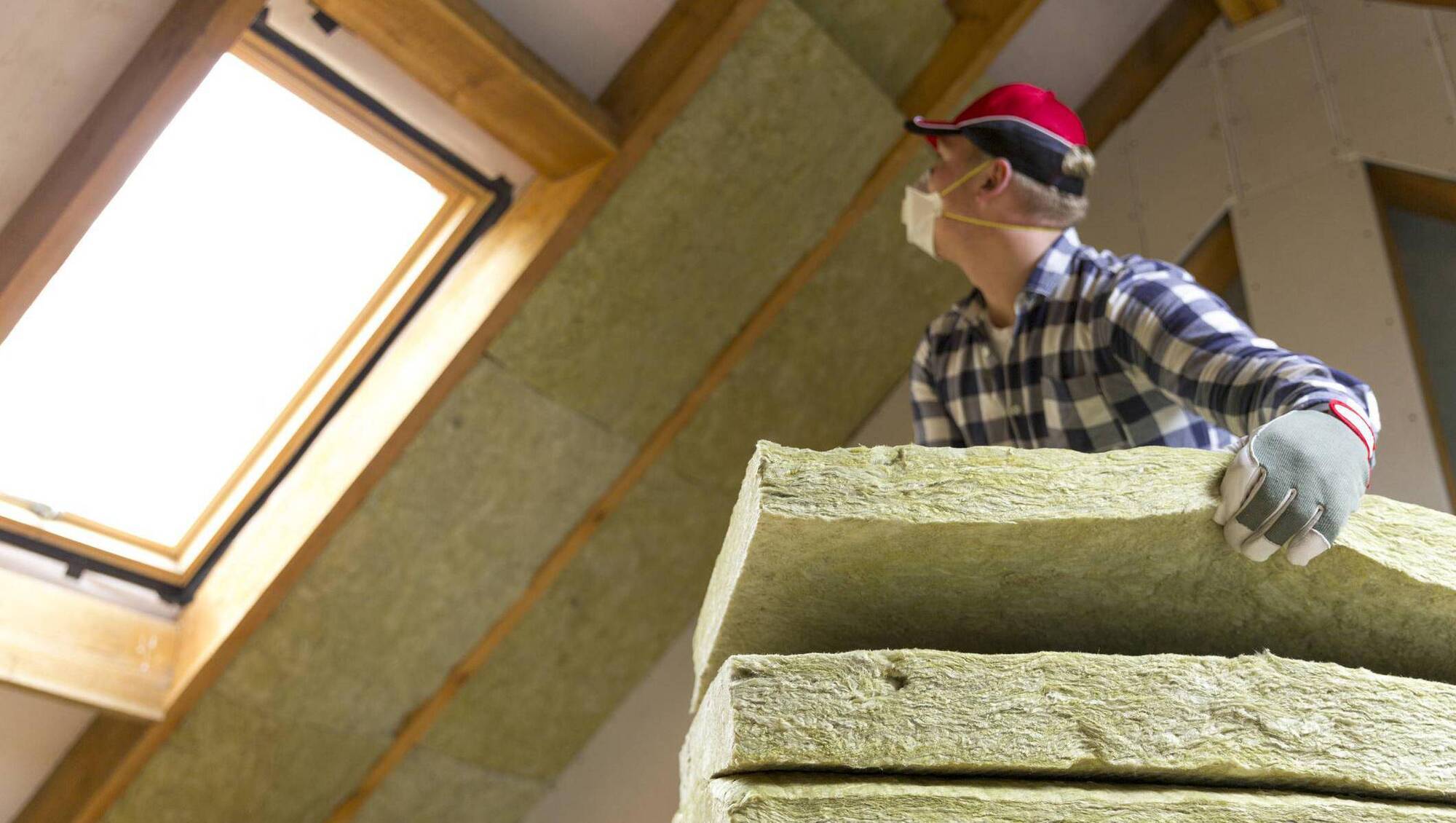
The paper concludes that improved energy efficiency measures in Ireland could lead to a reduction in greenhouse gas emissions, of waste, and associated pollution. File picture: iStock
A "wartime effort" is needed if 500,000 homes are to be retrofitted by the end of the decade, an influential think tank has said.
A new white paper from the Institute of International and European Affairs (IIEA) looking at energy efficiency challenges concluded that, among other findings, energy efficiency is the most cost-effective way to tackle climate change.

The paper concludes that improved energy efficiency measures in Ireland could lead to a reduction in greenhouse gas emissions, of waste, and associated pollution. However, the scale of the national retrofitting plan is a generational challenge, it said.
“Retrofitting half a million homes to a building energy rating B2 BER by 2030 in Ireland will require a wartime effort. Recent increases in funding for energy renovation are part of the solution, but publicly funded retrofit programmes must deliver real carbon savings, improve indoor air quality, and support a just transition," author Marion Jammet said.
CLIMATE & SUSTAINABILITY HUB
Last month, the Sustainable Energy Authority of Ireland (SEAI) revealed that while nearly 10,000 retrofits of one form or other were completed in the first quarter of this year, just 3,300 were completed to "B2 or better" energy rating. Under the Climate Action Plan, some 500,000 B2 Building Energy Rating (BER) home upgrades are targeted by 2030.
BER ratings were first introduced as a compulsory measure 14 years ago as a way to measure energy efficiency in homes. Half of the €8bn allocated for retrofitting is ringfenced for vulnerable and energy-poor households.
The various schemes have been criticised by opposition politicians as too cumbersome and stifled by red tape, while even local authority bosses, such as Cork City Council chief executive Ann Doherty, have admitted to being "bamboozled" by various schemes.
The IIEA paper said that despite efforts at national and EU level to introduce policy measures to improve energy efficiency, the rate of energy renovation in the Irish-built environment is low. Better financial incentives are needed to retrofit derelict and vacant homes, Ms Jammet said.
"Given that the embodied carbon emissions of a deep residential retrofit are typically about a quarter of that of a new build, and given that transport is Ireland’s second highest source of carbon emissions, better connecting energy efficiency grants and support for the reuse of vacant and under-used properties must be a priority."
More action is needed if the so-called "just transition" is to work, she said.
Just transition is the term used to describe making sure employment opportunities and societal benefits are present for those who live and work in communities tied to legacy industries such as coal mining and peat extraction, as well as protecting less financially secure and vulnerable citizens.
"In particular, the definition of energy poverty and funding programmes to tackle this issue should be reviewed. While the existing supports for people living in fuel poverty mainly seek to target households living in income poverty, this assistance does not necessarily reach all households who experience energy poverty.
"In particular, and although challenging in the current housing crisis, there is a need to focus more on private rental accommodation and the split incentive that exists between tenants and landlords," Ms Jammet said.