Technology is a double-edged sword for Irish students — and for their teachers
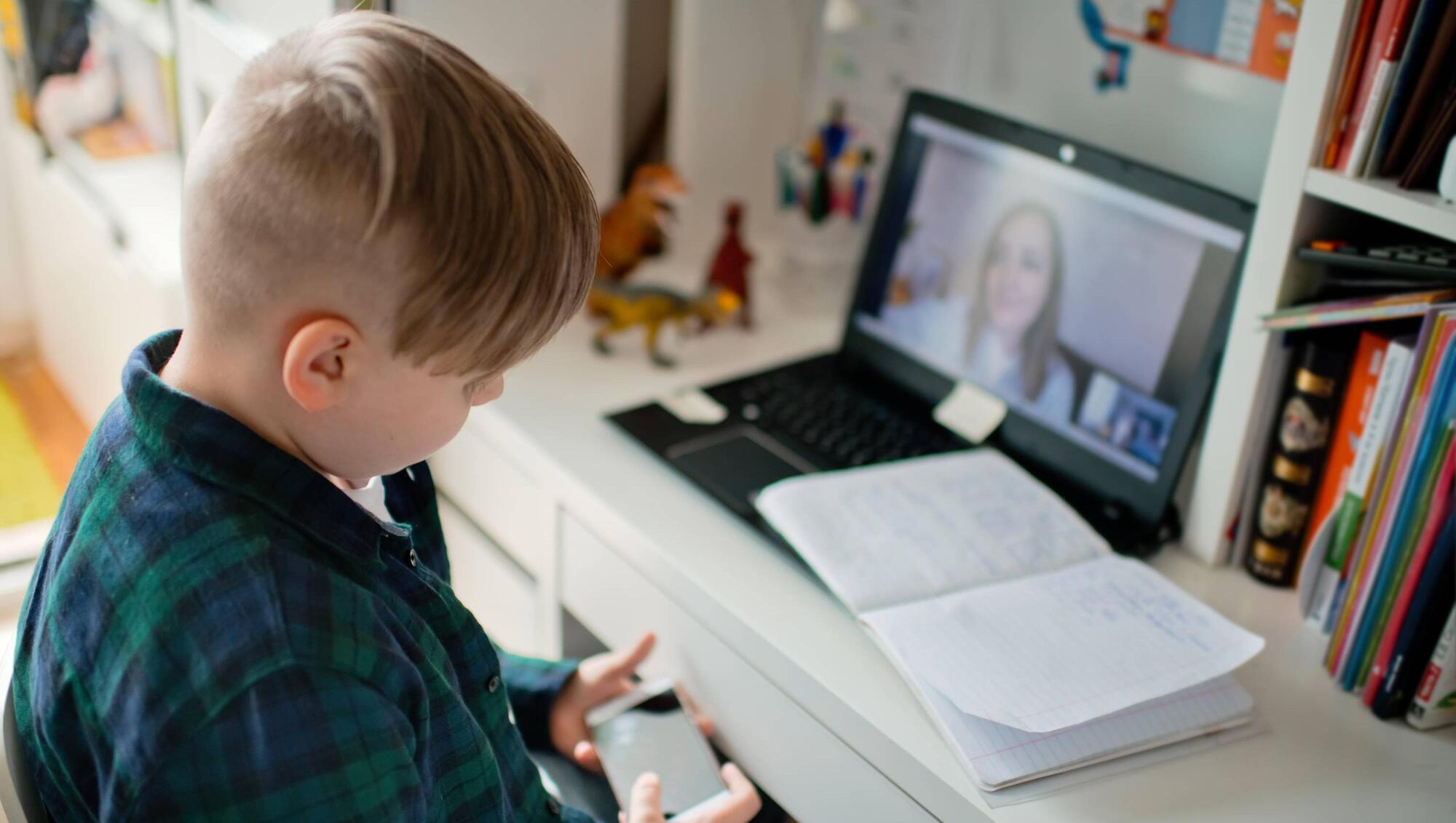
Managed use of remote learning: Educators insist that watching a video can never replace in-class teaching, but it can support it.
A recent survey carried out by the Studyclix.ie website found that 83% of the teenagers surveyed worry that they use their phones too much, while 54% said that watching short videos on platforms such as TikTok and Instagram has seriously impacted their concentration and ability to study.
With the government’s Digital Strategy for Schools well underway, it will have to be a carefully considered balancing act between enabling blended learning/digital literacy and managing boundaries.
At the moment, schools decide their own phone policy. Some schools in Ireland allow phones, while others don’t.
“Phones are a double-edged sword for teachers. They tend to be love/hate,” explains researcher and chemistry teacher, Ryan Gallagher.
“With the school closures, everything became digital orientated and it’s hard to break that cycle. There is a place for phones on site, such as for quizzes, but they are always a temptation for distraction. If students can get away with it, they will try,” he added.
Guidance counsellor Catriona Rodgers of the IGC believes tablets are a better option for schools as there is more control over what can be downloaded onto them.
She adds that digital technology has proved to be very helpful for students with different first languages, and also for students with additional educational needs.
Digital technology has also meant that the end of the school day isn’t as clear-cut as it once was, and the right to switch off is becoming an issue for both teachers and students.
“Google Classroom and similar apps have changed things around boundaries. Before, your day started 8.45am and ended at 3.30pm and if anything came up you would deal with it the next day. Now students have access to teachers 24/7. I get messages at 10pm or 11pm. It’s good that students are engaged, but getting emails from students at inappropriate hours is a difficult one,” says Mr Gallagher.
“Schools can remind users that they can schedule these emails. Everyone needs time to switch off. If it’s sent after 5pm, then it can wait,” he added.
This issue also affects students who can be assigned homework by their teachers long after school has finished for the day, or even at the weekend, blurring the lines between school time and free time.
Ryan Gallagher is one of few researchers in the area of digital technology in secondary-level education. He has developed a concept called the flipped classroom and created online chemistry lessons ( www.theconicalflask.ie) to support this model.
The concept was presented at an international conference for experts in Science and Technology education recently and from that he has had enquiries from universities all over the world.
The idea is that students would watch an online video and answer questions about a chemistry topic on the Irish curriculum before covering it in class with a teacher. Mr Gallagher is adamant that watching a video can never replace in-class teaching, but it can support it.
“The video is a support rather than instead of a teacher. The most valuable aspect of it is the support material such as assessments/questions. It’s more active than just watching, or half watching,” he explains, adding that the more active learning strategies suit the Irish education system because of the high stakes exams in 6th year.
The idea of the flipped classroom with topics covered online means that students who miss class for any reason, or who are unable to take in any more information at the end of the day have somewhere to go for the information they missed.
Mr Gallagher also says that it’s good for students who have difficulty writing notes fast in class.
“In class it’s much better for students to have notes in front of them so that they’re not under pressure. They can be so focussed on getting stuff on paper they’re not understanding the material,” he says.
Because the student has to look up a topic online before covering it in class with the teacher, this flipped classroom model puts some responsibility onto them that they wouldn’t have had before, and of course it also presents the temptation to scroll through social media etc.
“Students assume some of the responsibility in a flipped classroom. It depends on their ability and interest. There is always a risk that they won’t do it, but it’s the same risk with homework,” says Mr Gallagher.
Mr Gallagher’s chemistry website, which is free to use, is seeing thousands of users every day at the moment because of the Junior and Leaving Cert exams. The model is proving successful, but it has been costly and time-consuming to set up and maintain.
Specialised equipment is required to create the videos and any curriculum changes must be updated. However, he has had a lot of positive feedback and inquiries from teachers in other areas who see the value in this educational approach.
CONNECT WITH US TODAY



Be the first to know the latest news and updates