Foley: Forcing parents to pay contributions 'not appropriate and not right'
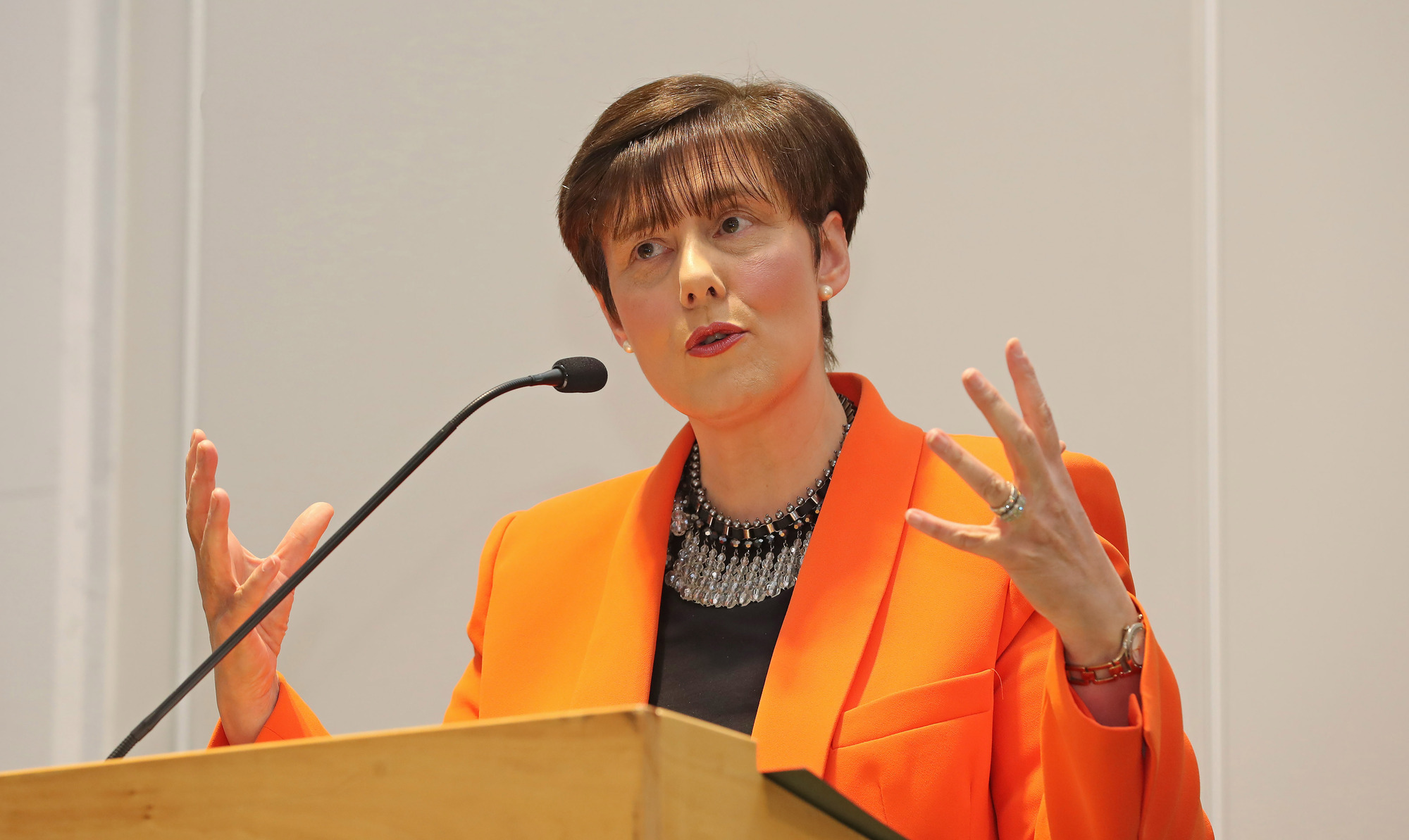
Voluntary contributions "are just that," Minister for Education Norma Foley said. File picture: Jim Coughlan
No parents or guardians can be compelled to make a voluntary contribution to their child's school, according to the Minister for Education.
Norma Foley made her comments following research published this week by St Vincent de Paul. The report found almost nine in 10 parents are cutting back in order to pay the voluntary contribution in post-primary schools.
Voluntary contributions "are just that," Ms Foley said. "They are voluntary by their nature. I really, really want to be very clear in that no parent, no guardian can be compelled to make a voluntary contribution. That is not appropriate and it's not right."
She acknowledged that schools may feel pressurized in certain areas and have particular difficulties or challenges. If they have a specific difficulty they can make direct contact with the department, she added.
Meanwhile, up to 4,500 students are expected to take part in a pilot programme offering free one-to-one counselling to primary school students for the first time. On Wednesday, Ms Foley announced the establishment of a new €5 million pilot programme to be rolled out in a series of schools from September.
Launching the project, the minister acknowledged that covid-19 and its associated disruptions have impacted young people. “Even prior to that, I think we've always been conscious that there will be students who, for whatever reason, might disengage with school, might be reluctant to attend school, have heightened anxiety or whatever the case might be.
"This is an opportunity to meet it face-to-face on the ground, and provide additional support for the families concerned, and also the schools to support these students going forward.”
The pilot programme will see one-to-one counselling sessions for primary schools across Cavan, Laois, Leitrim, Longford, Mayo, Monaghan, and Tipperary via access to a Department of Education-approved counsellor.
Schools will have access to up to eight counselling sessions for each individual child supported under the pilot as an early intervention measure to prevent the escalation of difficulties and the need for onward referral. Counties with sufficient availability of counsellors were selected for the first strand of the pilot project. A second strand will be announced in the coming weeks.
The roll-out of the project was welcomed by both the Irish National Teachers' Organisation (INTO) and the Irish Association for Counselling and Psychotherapy (IACP). The introduction of on-site counselling is essential in a comprehensive mental health support system, said INTO general secretary John Boyle.
“Having qualified counsellors available within schools will ensure timely and accessible assistance for children in need."
IACP chief executive Lisa Molloy said: "We will continue to offer our support to the department in any way we can be helpful, including in the recruitment process for establishing panels of qualified counsellors."
CONNECT WITH US TODAY



Be the first to know the latest news and updates