Campaigner Una Butler 'enraged' her views on mental health not included in study
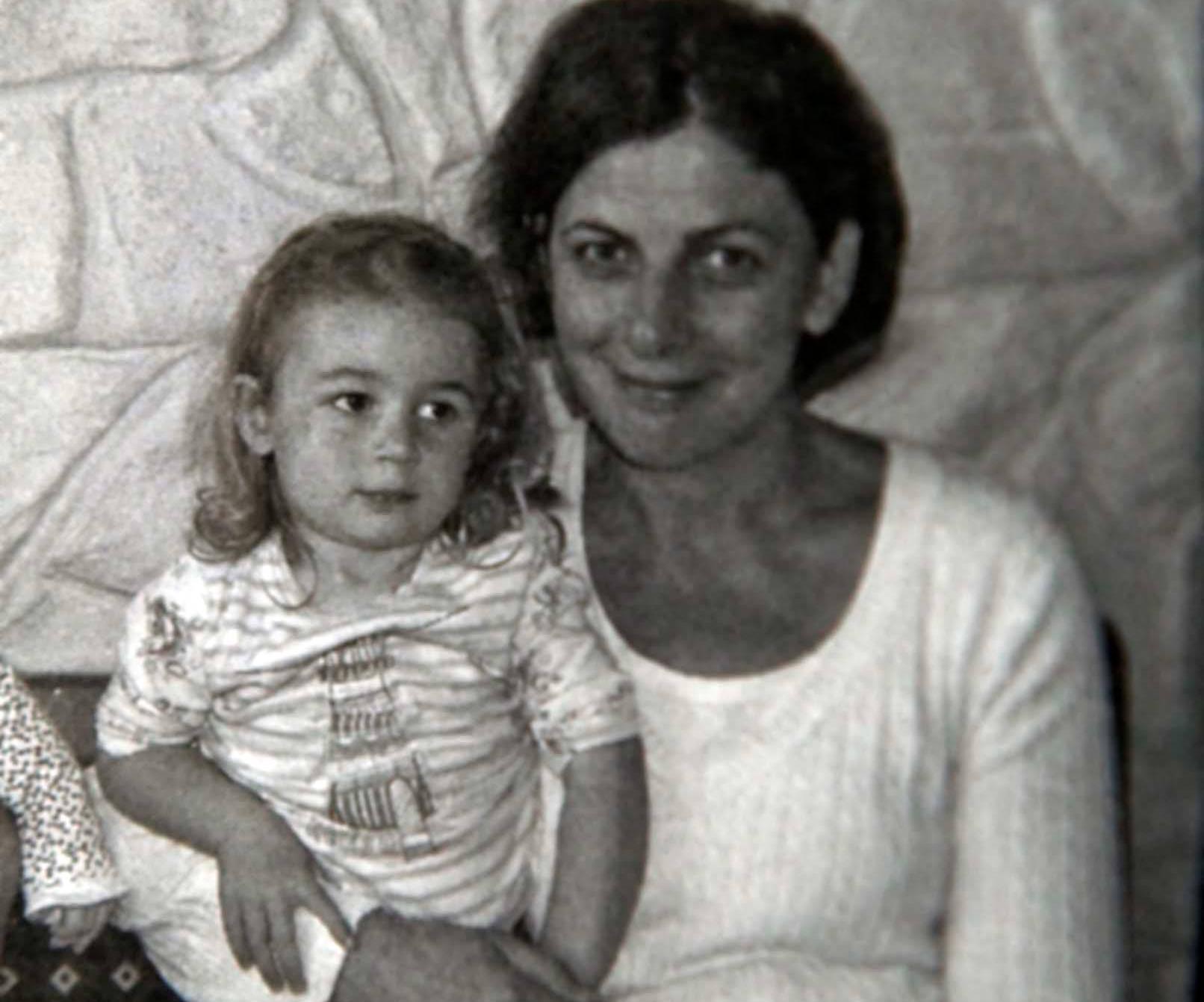
Una Butler with her daughter Ella in 2010. Ms Butler has been campaigning to make it mandatory for partners to be involved in the mental health treatment their partner receives in a relationship where there are children.
A woman whose husband killed their daughters has said she is on the verge of giving up fighting to change laws that she says could save children’s lives.
Una Butler has been campaigning to make it mandatory for partners to be involved in the mental health treatment their partner receives in a relationship where there are children. She launched the campaign after her husband John killed Ella, two, and Zoe, six, at their home in Ballycotton, Co. Cork, in November 2010 before taking his own life.
He had struggled with mental ill-health and had been released from the mental health services six weeks earlier. She is convinced John could have been stopped and her children could still be alive today if she had been more informed and involved in his treatment.
Her 2016 research document on murder-suicides in Ireland was submitted to an expert panel behind a major study into familicide. The report into domestic murder homicides found pregnant women or new mothers in their 30s or 40s are most likely to be victims of intimate partner homicide.
The Study on Familicide and Domestic and Family Violence Death Reviews notes there is “a lack of empirical research on intimate partner homicide in the Irish context”. But the study says international literature on risk factors for domestic homicide are uniform in their conclusions.
However, Ms Butler says she is “very disappointed” that the study does not contain any dedicated chapter or even detailed references to filicide — where a parent kills a child. This is despite the fact that there have been at least 53 children murdered by one of their parents in more than 37 incidents in Ireland since 2000, she said.
They involved at least 20 fathers and 17 mothers, with 60% of them having previous contact with the psychiatric services. “I gave my research and I made my case for mandatory involvement of partners where there are children involved,” she told the .
“But I am just really disappointed to see that it came to nothing. There isn’t even a chapter devoted to what is a very big phenomenon in Ireland.
“Maybe, it’s because it is too complex an issue but I am demented trying to get changes brought in in this area, where one of the partners in a family with children has mental health issues and is in treatment."
She added: “Don’t get me wrong, the study is a very good study and it carries more than 200 recommendations, many of which I think are very good and very welcome.
Ms Butler said she thought when making her submission that it would be a platform for change. “Instead, the few references to filicide in the study are mainly footnotes and reference points to some academic research.
“That’s just not good enough, especially as what I am trying to do is prevent what I have to live with for the rest of my life happening again.
“I will never get my children back but what I am proposing could prevent what happened happening to others. It could actually save children's lives.”
Speaking on , Ms Butler also expressed her “disgust” that mental health issues were not included in the study. “I am absolutely disgusted, I am so sad and enraged. I’m really cross and upset that my views on mental health were not included.”