Comparing Ireland to other countries in newborn screening a 'misleading oversimplification'
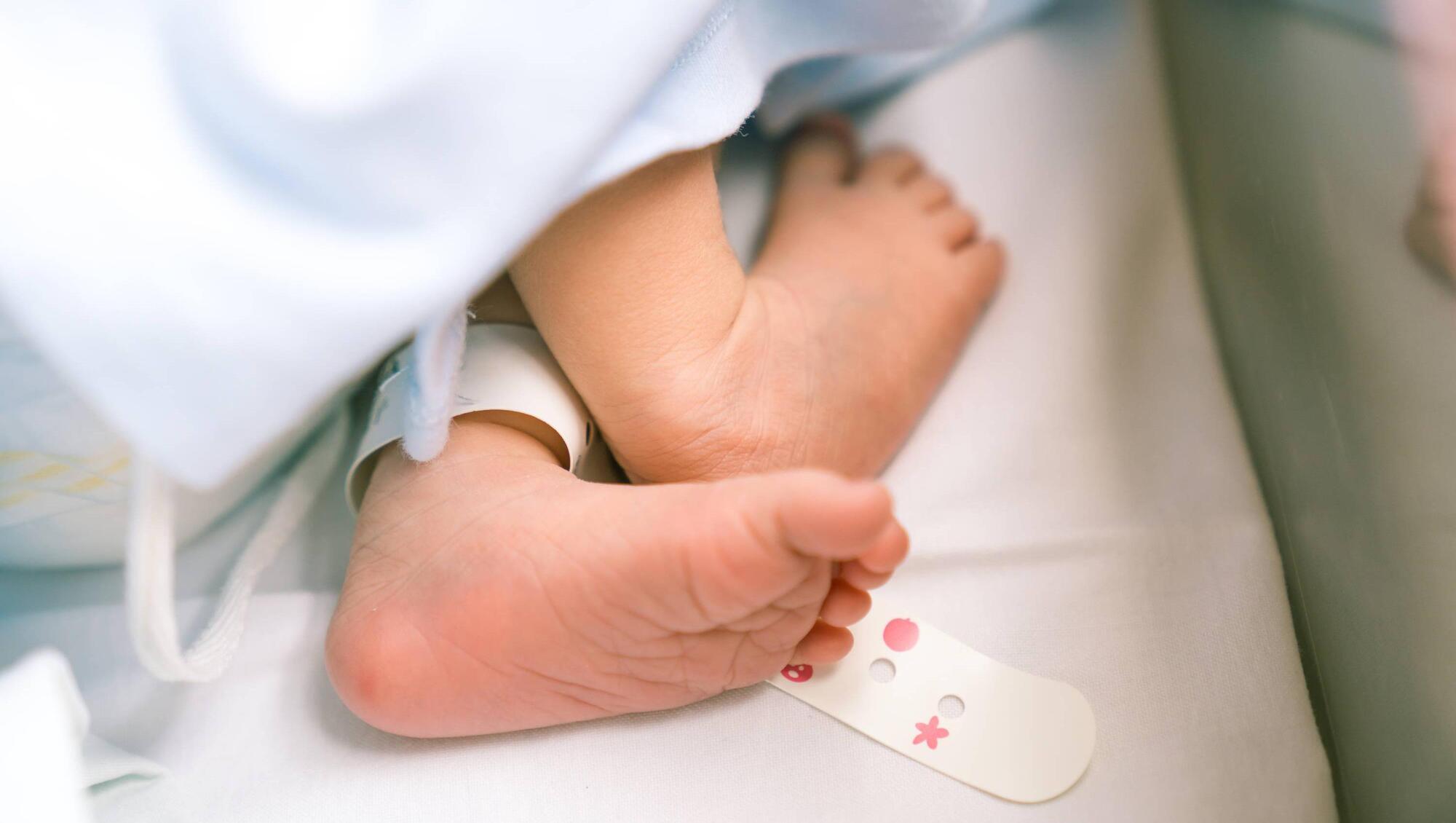
'It shouldn’t be perceived that these numbers, of say Italy screening for 40-plus numbers and Ireland screening for fewer, that this is a kind of a league table.'
It is a “misleading oversimplification” to compare the number of health conditions newborns are screened for in Ireland directly with other countries, the outgoing chair of the National Screening Advisory Committee said.
This follows criticism by families and advocates of the lower number of conditions screened for here compared to many European countries.
Professor Niall O’Higgins said there was active work around expanding the number, adding there were a number of steps before final approval could be given.
“It shouldn’t be perceived that these numbers, of say Italy screening for 40-plus numbers and Ireland screening for fewer, that this is a kind of a league table,” he said. “To do that would be very misleading, a very misleading oversimplification.”
Ireland fully screens for eight diseases, one condition among the SCID cluster, and planning for screening all SCID conditions has started, the committee’s annual report shows.
Prof O'Higgins said a health technology assessment on adding SMA (spinal muscular atrophy) would be completed by the end of this year.
“We are currently examining 30 other proposals about newborn screening,” he said.
“My expectation is we will have certain additions to the newborn screening programme in due course and in the foreseeable future. We are very aware, and I am personally aware, of the tragedies and the difficulties and the frustrations people may have when they have children with some of these dreadful conditions.”
He said a key issue was screening on its own would not help families.
“It doesn’t help unless it is followed by effective treatment or good care,” he said.
The committee was set up following Dr Gabriel Scally’s Scoping Inquiry into the CervicalCheck Screening Programme to make recommendations around new screening programmes or modifications of existing ones.
Prof O’Higgins said a decision had not yet been made around the possibility of offering home-testing kits for cervical smears. “That is under continual review, because there are a lot of issues with that, that are going to be difficult,” he said.
He started working in screening during the early 1970s, and said being transparent with the public was vital.
“Active public participation is one of the essential elements of successful population-based screening,” he said.
“The public, as co-owners, must be seen not only as supporters but as active drivers in promoting and improving health screening and be engaged in transfer of information on its benefits and limitations.”