Study finds Irish female journalists face 'concerning' levels of online hostility
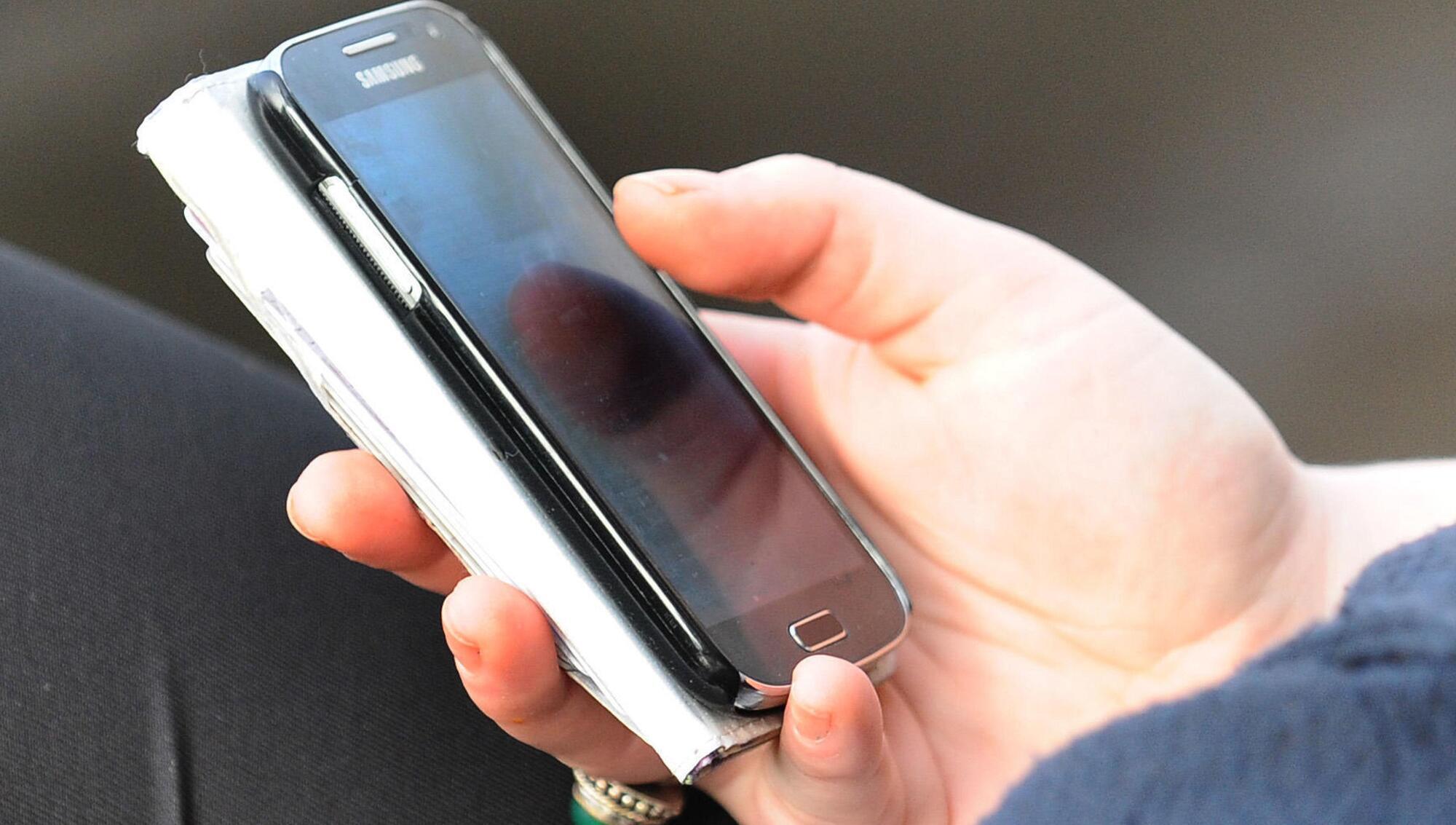
Aggressive or sexually violent language or images, filming or photographing on-street incidents, and ridiculing online, accusations of bias or purporting 'fake news', and 'pile-ons' were among hostility experienced by Irish female journalists. File picture: Lauren Hurley/PA Wire

Aggressive or sexually violent language or images, filming or photographing on-street incidents, and ridiculing online, accusations of bias or purporting 'fake news', and 'pile-ons' were among hostility experienced by Irish female journalists. File picture: Lauren Hurley/PA Wire

Irish female journalists face up to 15 types of online hostility, with broadcasters, political, and social affairs reporters receiving even “heavier” negative attention, a “concerning” new study has found.

Aggressive or sexually violent language or images, filming or photographing on-street incidents, and ridiculing online, accusations of bias or purporting “fake news”, and “pile-ons” were among hostility experienced by Irish female journalists.

The study, carried out by Dublin City University in partnership with the National Women’s Council (NWC), involved interviews with 36 national-level female journalists, who all reported negative experiences.

Certain topics attract more negative attention than others, the study found, with stories concerning Traveller issues, immigration, sport, and politics resulting in negative engagement.

Most participants reported semi-regular negative and hostile engagement which, depending on the journalist, spanned from mildly irritating to an “outrightly dangerous threat”.

Most reported gendered insults and threats related to their appearance, attempts to discredit their professionalism, or comments that included outright sexual undertones.

Comments on gender

One participant said comments on gender, where they are from, or if you’re “too skinny or too fat” are difficult to deal with.

One journalist recalled being tweeted by a man she had been harassed by for several weeks. Having seen her in person, the man tweeted that she was “looking sexy”.

“I’d never post where I was at a particular time. If I was putting something up about where I’d been, I would do it when I’m not there anymore,” one participant said, while another noted she was called a “whore” and an “anti-information hooker” for wearing hoop earrings in a video.

Author of the study Dr Dawn Wheatley said the “most troubling” finding was that participants tended to “normalise” their experiences despite hostility being “pervasive”, with some saying they are “lucky” and downplaying their experiences.

“But then they go on to describe something that is actually really troubling,” she said. She also noted that more vocal female journalists tend to experience more hostility, sometimes resulting in self-censorship.

“What I think is really worrying is that some of them said that they're deliberately now not sharing stories that they've produced. And it's not that they're not proud of them. It's just not worth the backlash,” she said.

NWC violence against women coordinator Ivanna Youtchak said the report was “concerning” and like online hostility faced by female politicians has an impact on democracy. “This is one of the core ways to silence women,” she said.

The study put forth recommendations including ensuring social media companies respond more quickly to reported posts and aim to prevent more harmful content, through better monitoring and verification of users.

More in this section

Lunchtime News

Newsletter

Get a lunch briefing straight to your inbox at noon daily. Also be the first to know with our occasional Breaking News emails.

Cookie Policy Privacy Policy Brand Safety FAQ Help Contact Us Terms and Conditions

© Examiner Echo Group Limited