Public sector workers want upcoming pay deal to match inflation
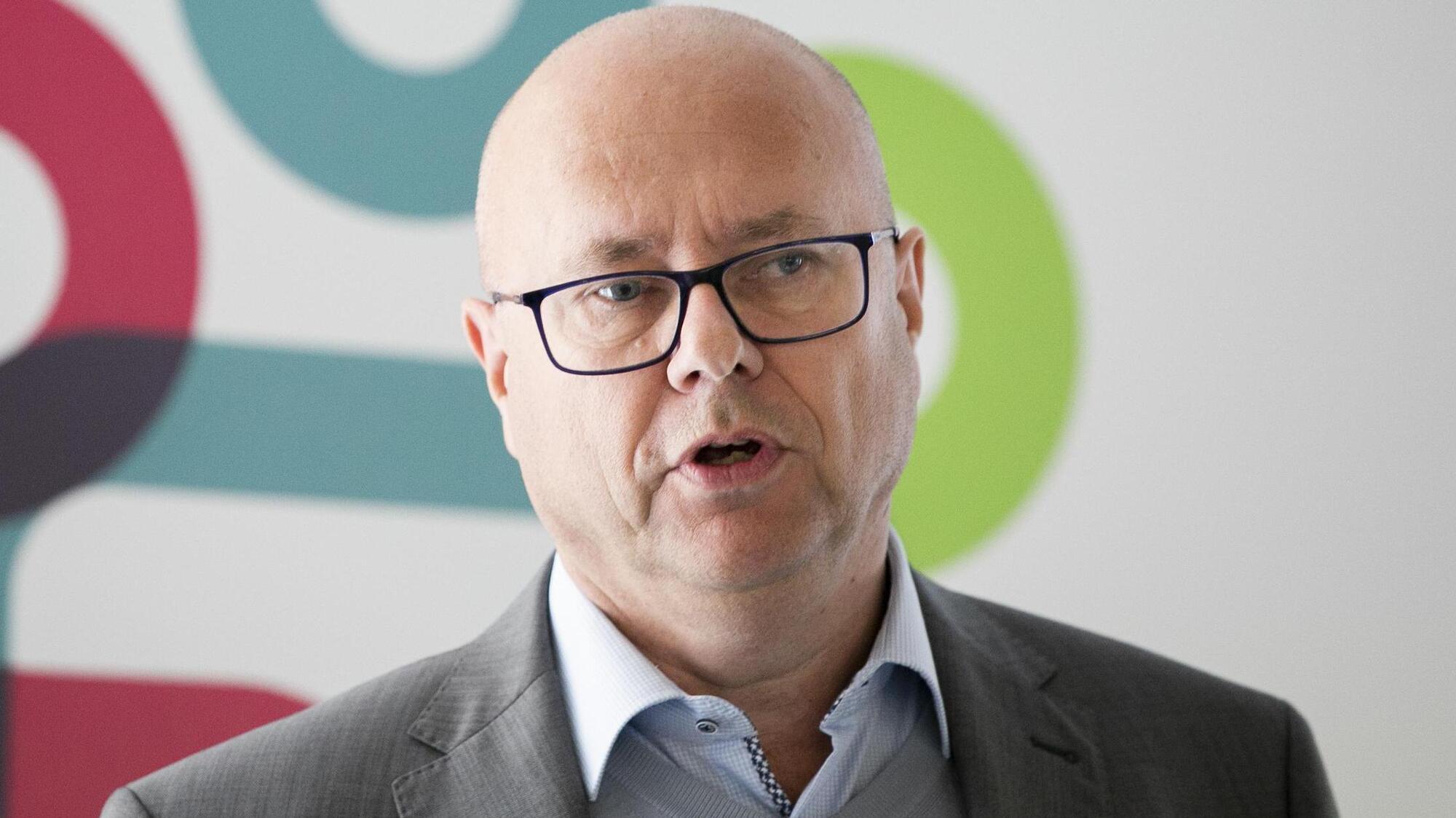
Kevin Callinan, Fórsa general secretary and president of the Irish Congress of Trade Unions, said he was “blown away” by the results of the survey in relation to the need for increases to match inflation
Public sector workers want their next pay increase to match inflation and are willing to ballot for industrial action if the offer from the Government falls below that.
That is according to a survey by the country's largest public sector union Fórsa to which 20,000 people - a quarter of its membership - responded.
More than 80% of the respondents said the upcoming pay negotiations should yield increases that match inflation.
It also found a clear majority of respondents are in favour of Fórsa organising a ballot for industrial action if negotiated increases are below that.
The overwhelming majority also said it is important that future pay negotiations cover any shortfall experienced because of the withdrawal of government cost-of-living supports, such as energy credits.
Kevin Callinan, Fórsa general secretary and president of the Irish Congress of Trade Unions, told RTÉ's that he was “blown away” by the results of the survey in relation to the need for increases to match inflation.
He failed to say whether Fórsa would be looking for a 6%-7% pay increase to match inflation before the current public services pay agreement expires at the end of the year. He said he expects talks on a new pay deal to start in the coming weeks.
"In relation to the public service, there's a number of things that we need to factor in," he said.
"Firstly, we've been very clear that the outcome last year did not match inflation. We had inflation coming in around 8% at the maximum the increases last year were 5%."
The “real message” from the survey, he said, is that people are struggling to pay their bills and to pay for groceries.
Mr Callinan said: "What we're saying very clearly is workers generally are losing out in terms of living standards. We're a very wealthy country now, very rich country, and we have a government presiding over a situation where living standards are falling generally, both in the private and the public sector. In the public sector for this year, we negotiated the increase, totalling 3.5%."
Mr Callinan rejected suggestions that wage increases led to increased inflation. He said that the ECB and OECD now recognise that profit taking is “the great driver of inflation” rather than wage increases.
He said: “It’s not on that workers should bear the brunt of this."
Fórsa will be telling the Government that they need to look at the situation and will have to “make good” on the withdrawal of any supports such as the energy credits.
There are deficiencies in so many areas such as healthcare and childcare which weaken the social wage, said Mr Callinan.
CONNECT WITH US TODAY



Be the first to know the latest news and updates