Annual inflation eases but cost of food up 13%
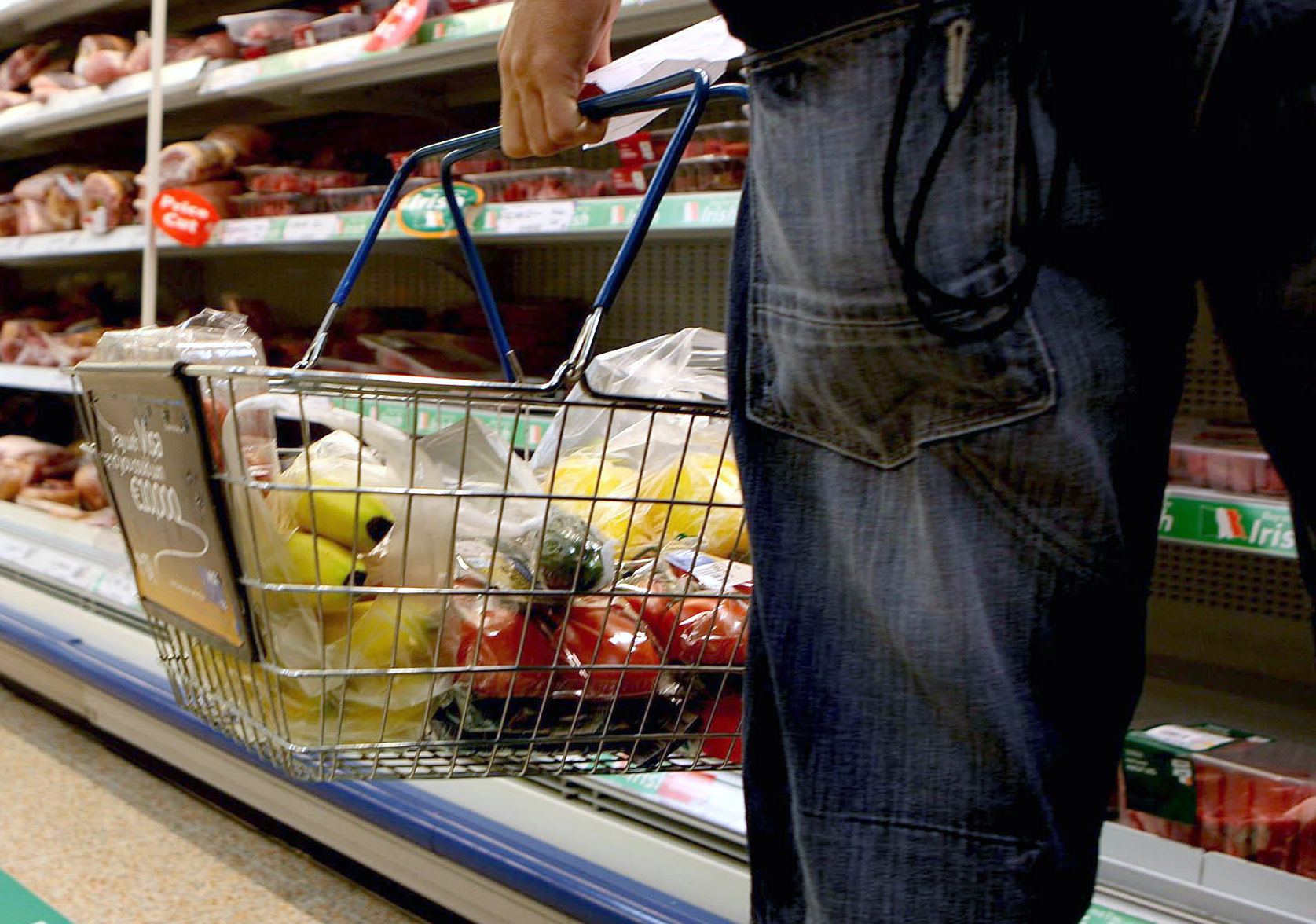
Latest statistics show that, in the last three months, the price of food and non-alcoholic drinks has risen by 3%, amid calls for supermarkets to pass on savings to customers after the high period of inflation.
The cost of food rose 13.1% in the year to April 2023, new figures have shown, as pressure ramps up on retailers to relieve the pressure on households and cut prices.
Food inflation was almost double that of the general rise in the Consumer Price Index in the past year of 7.2% according to the Central Statistics Office (CSO).
Consumer prices rose by 7.2% over the 12 months to April 2023https://t.co/M1C4qLIoLR#CSOIreland #Ireland #CPI #ConsumerPrices #Inflation #Deflation #Prices #BusinessStatistics #Business #BusinessNews #IrishBusiness pic.twitter.com/LDH74E7kgf
— Central Statistics Office Ireland (@CSOIreland) May 11, 2023
The annual rate of inflation eased from 7.7% in March, but this is the 19th straight month inflation has been above 5%.
However, it is also the lowest since April 2022. The rise in the Consumer Price Index peaked at 9.2% in October 2022 but has fallen back since.
The index, which measures the change in the average level of prices of consumer goods, rose by 7.2% in the 12 months to April 2023.
The latest statistics show that, in the last three months, the price of food and non-alcoholic drinks has risen by 3%, amid calls for supermarkets to pass on savings to customers after the high period of inflation.
Over the year, there were double-digit percentage increases almost across the board in bread and cereals (up 13.3%), meat (up 12.7%), fish (up 10.6%), milk (up 24.1%), cheese (up 15%), eggs (up 18.3%), vegetables (up 11.3%), butter (up 18.9%) and sugar (up 38.9%).
These figures from the CSO for last month may not fully capture the recent price drops announced by supermarkets for milk, butter and bread.
Nevertheless, the national average price for goods shows significant increases in staples now compared to the same time in 2022.
CSO statistician Anthony Dawson said: “The national average price of a number of items rose in April 2023. There were price increases for an 800g loaf of white sliced pan (+23c), an 800g loaf of brown sliced pan (+18c), two litres of full fat milk (+44c), and a pound of butter (+66c) when compared with April 2022.”
It was not just the weekly shop driving up the cost of living, with CSO data also highlighting huge increases in electricity (up 51.3%), gas (up 55.8%), mortgage interest (up 41%) and home insurance (up 23.3%).
Separately, data from Kantar which monitors supermarkets has suggested grocery price inflation is nearer 17% in the past year.
On Wednesday, the Government convened a meeting of the Retail Forum to address these price rises, but was criticised as “all mouth and no trousers” on the matter.
Junior retail minister Neale Richmond said he had “an open and frank conversation with the members of the Retail Forum" and that he had received assurances that lower input costs would be passed to the consumer.
“I am pleased to say that I received assurances from retailers that, where reductions in input costs filter through to products, consumers will benefit from this,” he said.
The Government has ruled out price controls to support households, with the consumer watchdog warning such a measure would “present a significant risk to the Irish economy and consumers”.
Labour’s finance spokesperson Ged Nash slammed the Government and said: “What we got is more pleading and hoping from the Government and Minister Richmond that the supermarkets will see fit to cooperate and play fair.”

CONNECT WITH US TODAY



Be the first to know the latest news and updates