Government accused of 'acting as commentators' on topic of rising energy bills
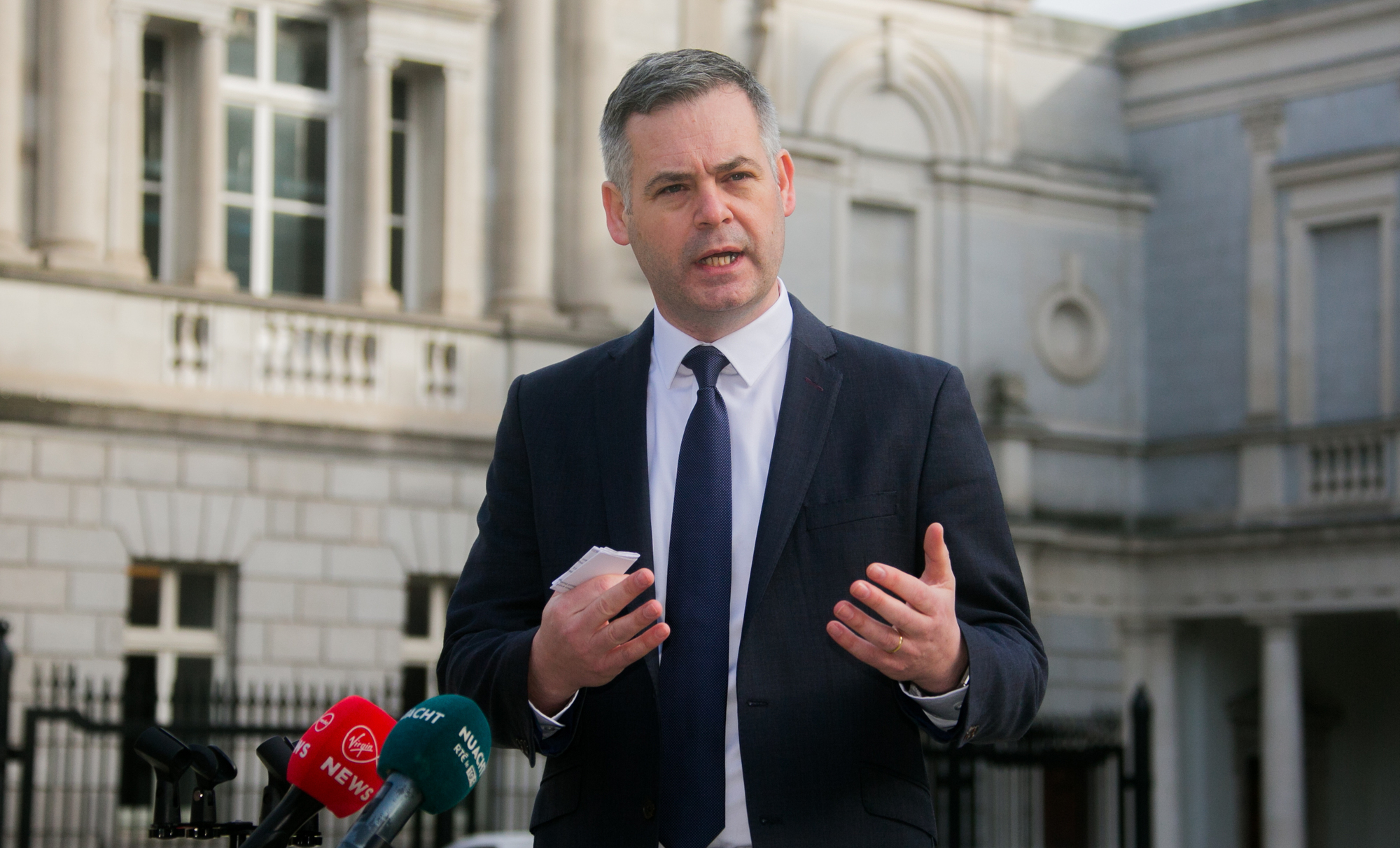
Sinn Féin's Pearse Doherty said wholesale electricity prices have fallen by more than 50% in the past year, but 'prices for households have not budged and remain sky high'. Picture: Gareth Chaney/Collins
The Government has been accused of "acting as commentators" on rising energy prices.
Sinn Féin's energy spokesman Darren O'Rourke made the charge as the Dáil debated a motion calling on the Government to provide financial relief to households by "returning energy prices" to their level, pre-war in Ukraine.
The motion, which is being countered by the Government, also calls for a reversal of carbon tax increases and new regulatory powers for the Commission for the Regulation of Utilities (CRU).
"The Government is merely acting as a commentator when action is needed," Mr O'Rourke said.
"The regulator, the Commission for the Regulation of Utilities does not even have the power to address standing charges, again a measure that is common among EU member states. This motion seeks to correct this absolute lack of power and scrutiny and reduce the risk of profiteering while ordinary people struggle to make ends meet."
His party colleague Pearse Doherty said wholesale electricity prices have fallen by more than 50% in the past year, but that "prices for households have not budged and remain sky high".
In response, Minister Eamon Ryan said that "the causes of this lie in international factors as well as our dependence on fossil fuels".
He added that the Government had introduced "a €2.4bn package of supports during the past year, and an additional package of once-off measures worth €2.5bn was included in budget 2023".
"To set the record straight, we very much supported the introduction of a windfall tax on super-normal profits of energy companies and electricity generators to help support our customers.
"That legislation is written and has been presented to the joint Oireachtas committee, which is doing its pre-legislative scrutiny. We will introduce it at the highest rates of any European country. It will be 75% on the profits of fossil fuel companies this year."
The debate came just hours after representatives from St Vincent de Paul (SVP) told the Oireachtas Committee on Social Protection that 377,000 people in Ireland are in energy poverty. SVP head of social justice and policy Tricia Keilthy said the charity is "seeing the levels and the concentration of need amongst people in energy poverty increase".
"People are seeing multiple bill cycles pile up and people are returning to SVP for support.
"Over this winter, people on low incomes have been facing impossible situations. Put simply, the choice has been between knowing that costs and arrears are spiralling and the next bill will be unpayable, finding money from the food bill to put twice as much in the prepay meter, or people having to cut back and go without the energy they need."
CONNECT WITH US TODAY



Be the first to know the latest news and updates