Time to break the silence around pregnancy loss, says leading obstetrician
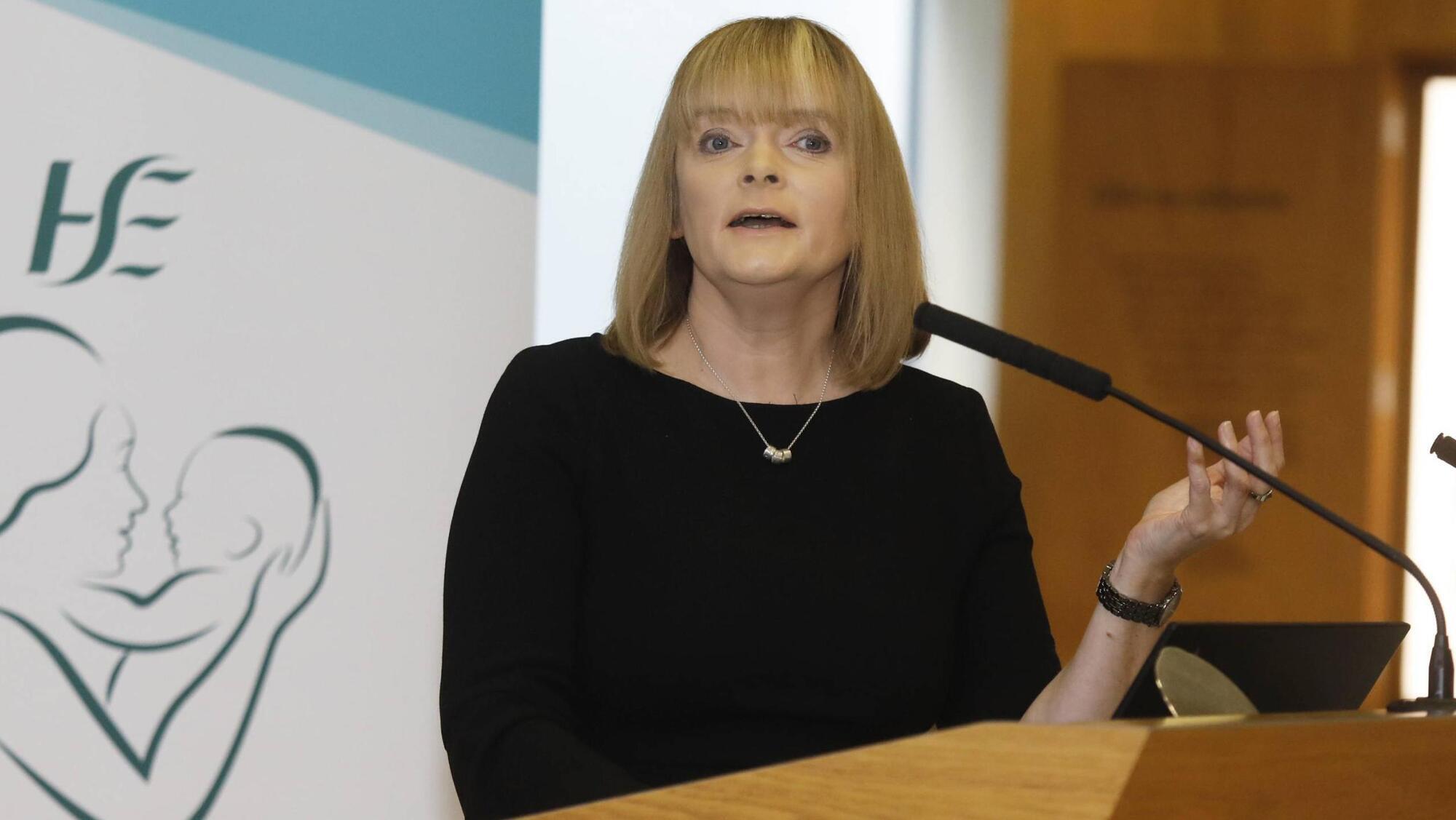
Pregnancy Loss Research Group lead Professor Keelin O'Donoghue says the group is 'committed to sharing information about our research in pregnancy loss more broadly'. Picture: HSE
It is time to break the silence around pregnancy loss, and a new website can help to support women and healthcare workers to do that, a leading Cork-based obstetrician has said.
The Pregnancy Loss Research Group (PLRG) website, which showcases over 10 years of Irish research, is aimed at the public as much as healthcare workers.
PLRG lead and obstetrician at Cork University Maternity Hospital, Professor Keelin O’Donoghue, said that input from bereaved parents is crucial to this development.
“Hopefully the website shows you we are committed to sharing information about our research in pregnancy loss more broadly, to continue to break the silence and stigma around pregnancy loss,” she said.
Findings from the PLRG group led, for example, to the development of the original National Standards for Bereavement Care Following Pregnancy Loss and Perinatal Death.
It also offers the Teardrop training programme for healthcare workers. Between 2020 and 2022, this workshop series was delivered four times to 150 staff in the South/SouthWest Hospital Group.
Most participants said that previously they had not been adequately prepared for communicating with or caring for bereaved parents.
A panel discussion at the Glucksman Art Gallery in Cork, chaired by journalist Maria Moynihan, heard examples of further study and of the silence still surrounding women when they experience pregnancy loss.
She shared her personal story of losses, saying she experienced how research led to reforms and “the best care when we needed it most”.
The website is hosted by UCC and was developed through the Irish Research Council-funded PLATFORM project, in collaboration with the Irish Hospice Foundation.
UCC president John Halligan also addressed the event, and said pregnancy loss is a subject “steeped in stigma and silence”.
CONNECT WITH US TODAY



Be the first to know the latest news and updates