Stardust inquests finally let families paint emotional picture of their loved ones
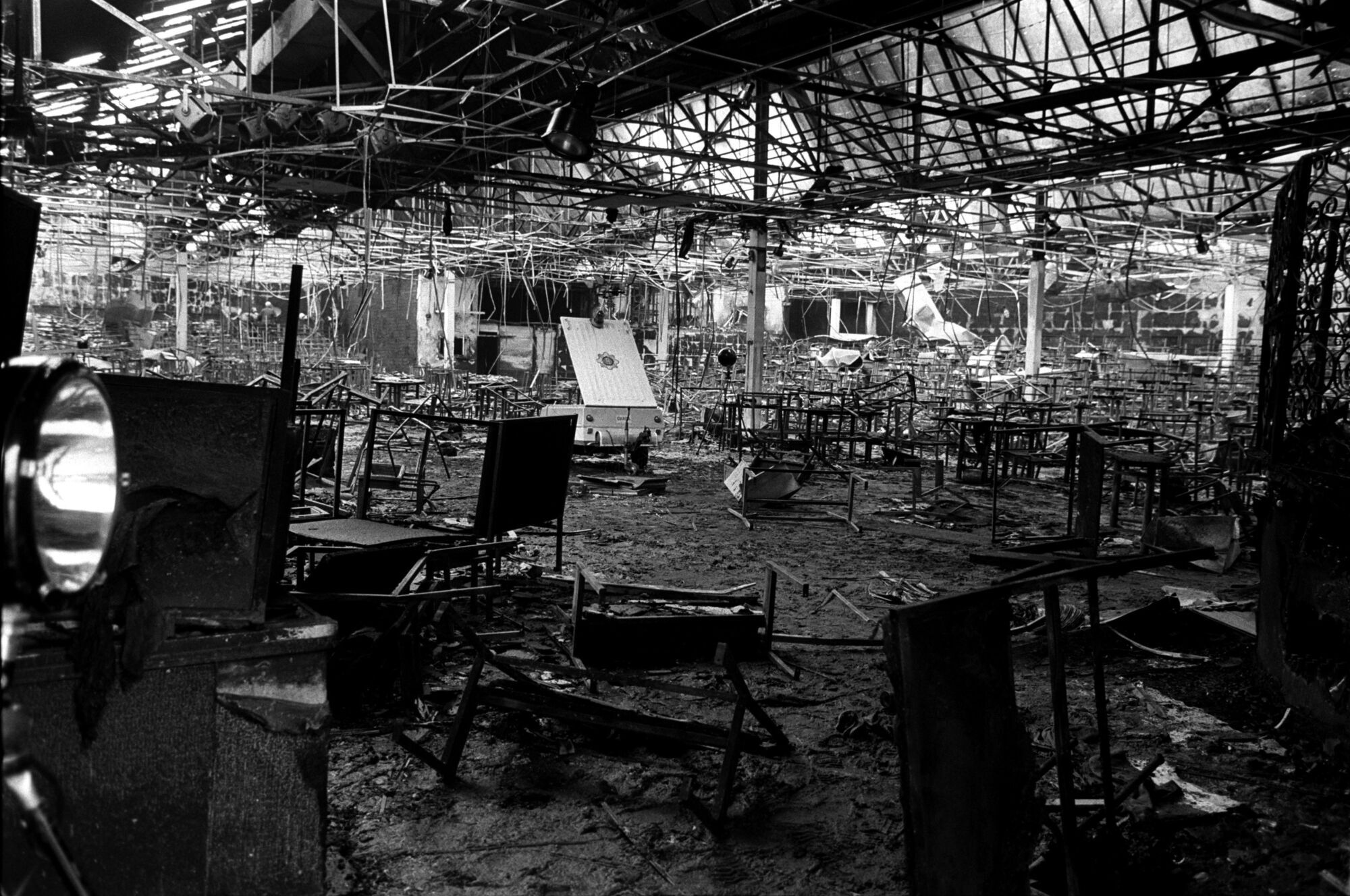
In September 2019, the Attorney General decided it was in the public interest to hold new inquests and said there’d been an “insufficiency of inquiry” at the original Stardust inquests. Picture: Tony Harris/PA
After 42 years, two bereaved mothers and a sister became the first family members to tell the long-awaited Stardust inquests about the loved ones they so cruelly lost in the 1981 fire.
“Like a tornado, the Stardust fire ripped through the core of our beings,” Gertrude Barrett, mother of Michael Barrett, 17, told the inquests. “I am forever haunted by the thoughts of his final moments.”
Ms Barrett said she was told she shouldn’t see her son’s body, told what undertakers he’d be brought to, and told when his funeral would be. “Told everything and asked nothing,” she said.
Betty Bissett, whose daughter Carol (18) died, said:
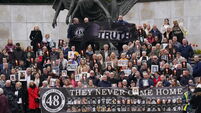
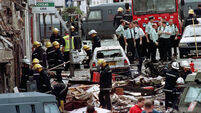
The Stardust fire was one of the worst disasters in modern Irish history. In all, 48 young people lost their lives after a fire swept through the ballroom of the north Dublin venue in the early hours of Valentine’s Day 1981, during a disco dancing competition.
Unsatisfied with the original findings of the Tribunal of Inquiry that the “more probable” explanation was that the fire was started deliberately, families have for decades campaigned for fresh inquiries into what happened on the night.
In September 2019, the Attorney General decided it was in the public interest to hold new inquests and said there’d been an “insufficiency of inquiry” at the original inquests.
Between Covid, issues relating to legal aid, and a judicial review in the High Court, the inquests have not been able to progress to the point where they could formally get underway until now.
Last week, a jury was empanelled to sit on the inquests, which are expected to last approximately six months.
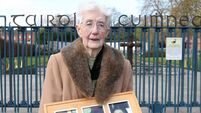
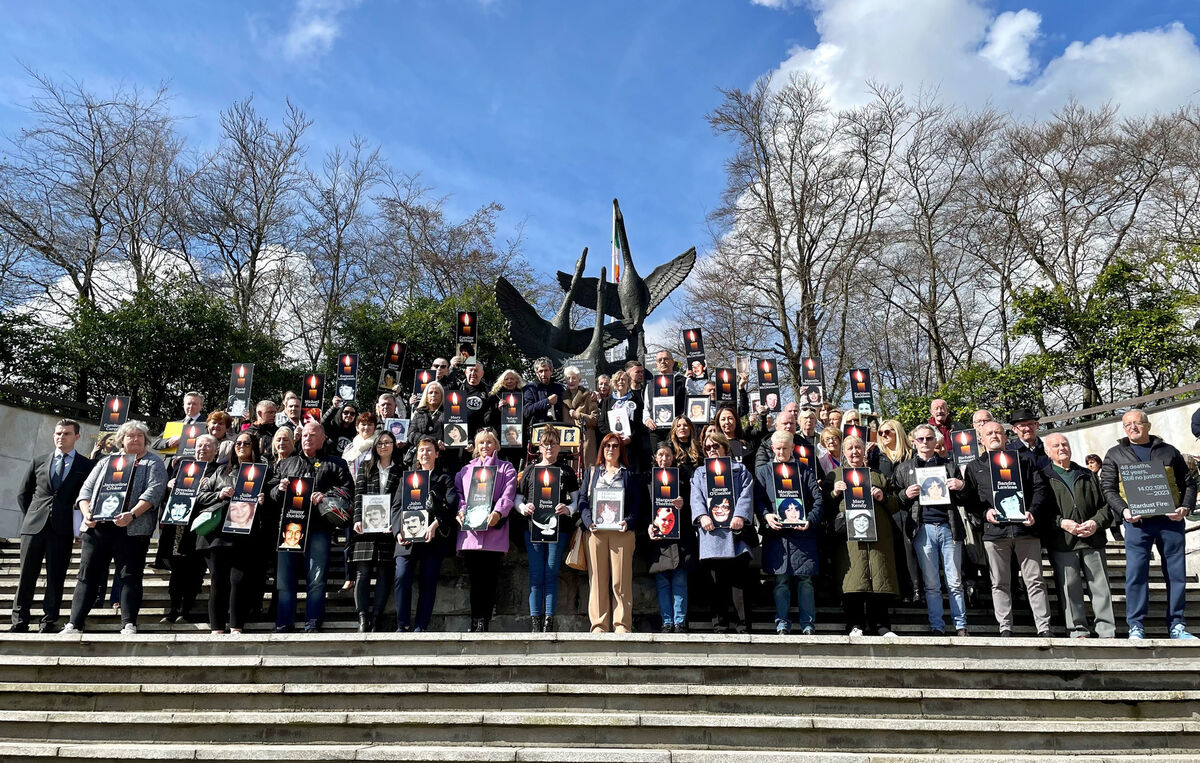
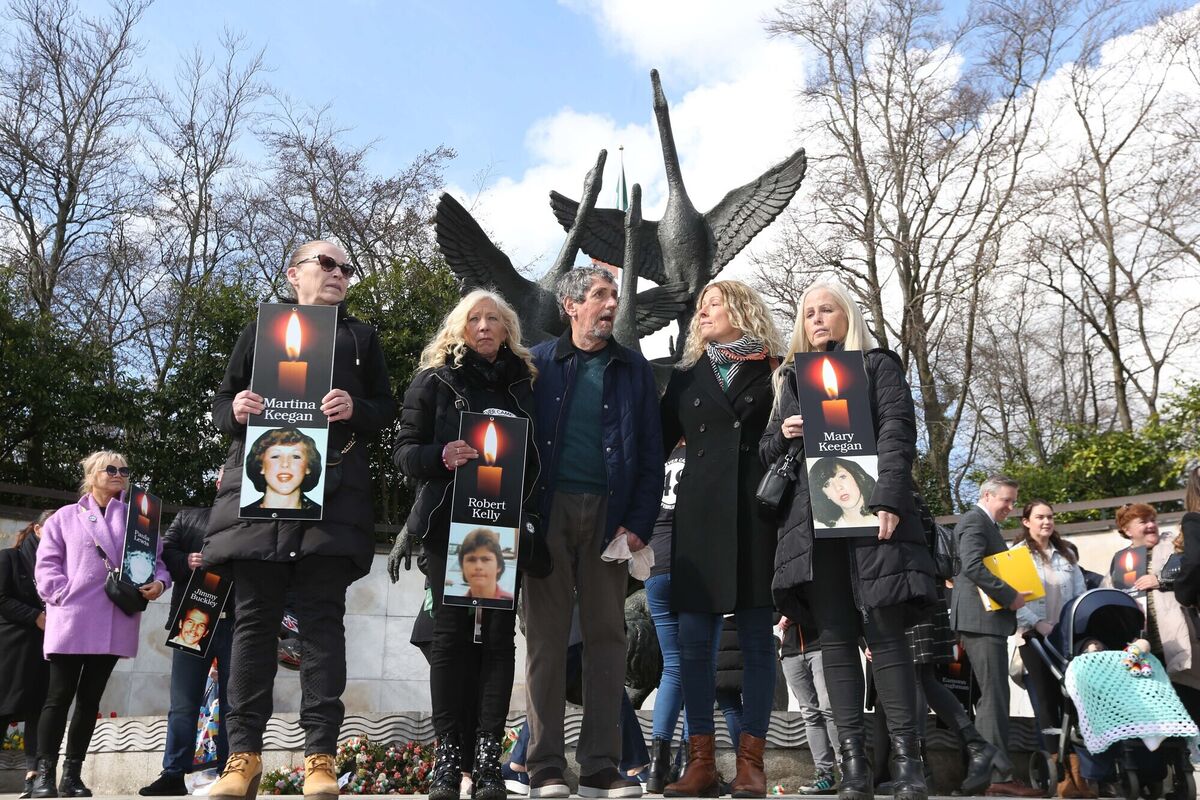
At 9.30am, families gathered outside the Garden of Remembrance, just a few metres away from the building set up for the coroner’s court in the Pillar Room of the Rotunda Hospital.
Holding placards bearing the name and a photo of their loved ones, they spoke to media before walking together to the coroner’s court.
As the 15 jurors took their seats, Dublin City coroner Dr Myra Cullinane outlined the process of an inquest and what it can determine.
“The purpose of the inquest is to hear the evidence surrounding the death, and make certain findings in relation to that individual death,” she said. “Who the person was that died, where and when did they die, and what the medical cause of their death was, having heard all of the evidence.”
Dr Cullinane said that she was opening with pen portraits of the deceased, such as were used in the inquests for those who lost their lives in the Hillsborough stadium tragedy and during the Ballymurphy inquests, which is separate from the actual evidence they will need to consider in reaching their verdicts.
Families for each of the 48 people who died in the Stardust fire will get an opportunity to read out a pen portrait for their loved one prior to the move to evidence in the case. She told the jury:
The pen portraits were to be delivered alphabetically, which is why they began with Ms Barrett speaking about her son Michael.
A football, music fanatic and eldest of four, Michael Barrett was an assistant DJ on the night in question in the Stardust in Artane. With the money he’d earned, he collected records and bought a record player. He’d had a bright future.
“He had wisdom beyond his years,” she said. “For him, nothing was too much and nowhere was too far. He was keen to make life in the future easier, better, brighter for himself and his family.
“He had an aura and a presence that brought belief, calm and confidence. For such a short life, Michael left an impression on all the people he met.”
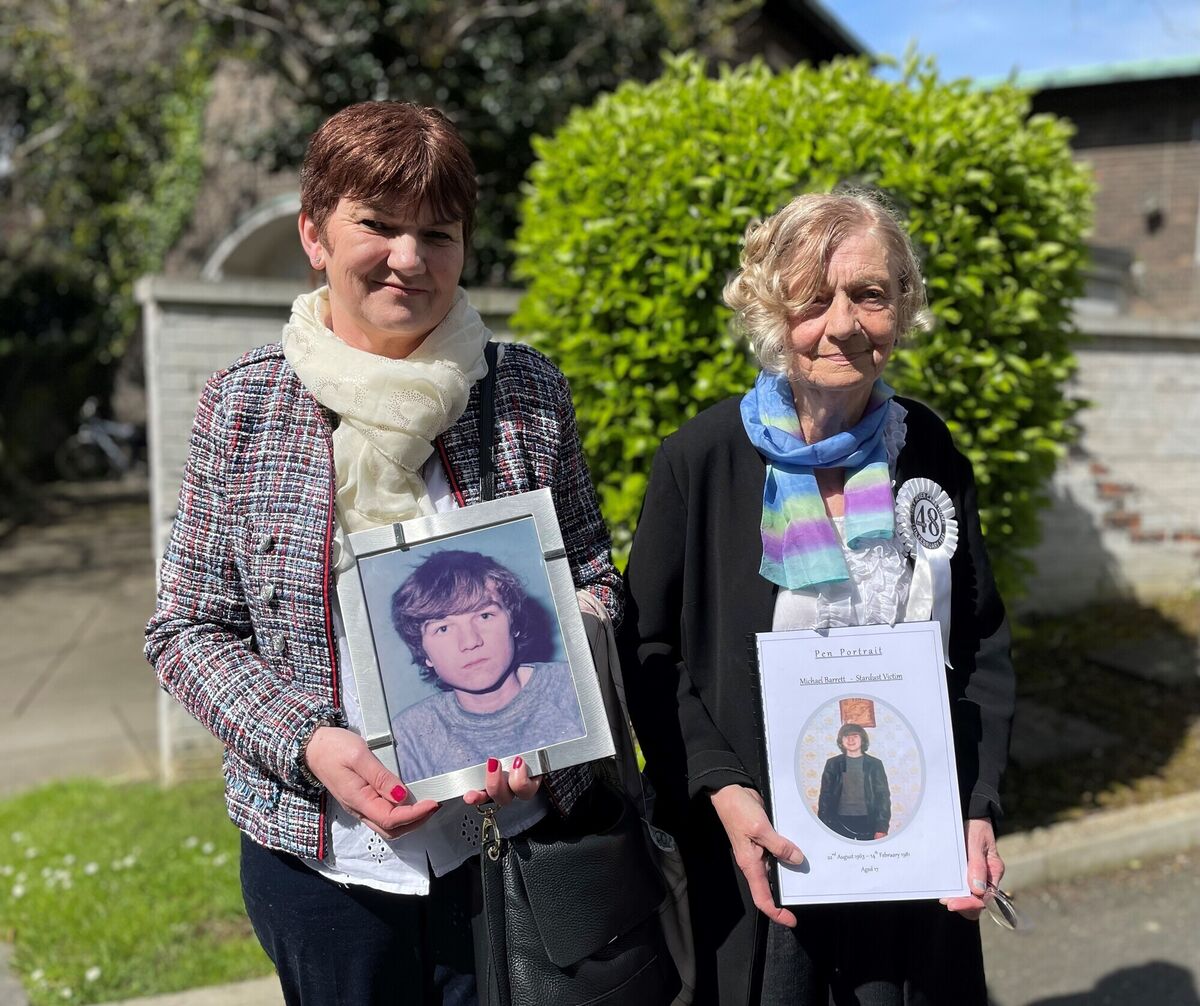
Ms Barrett said if she stood up speaking for a month, she couldn’t share the true impact of the fire in its entirety.
She said that while she lost her eldest son to the fire, her children “lost their mother as they knew her”.
“All of our family experiences were and are marred and scarred, tainted and tarnished by his absence,” she said. “We, his family, will continue to wonder what life might have been like had there been no Stardust fire.
“Rest in peace, Michael. We miss you and everything about you, every day.”
Such was the emotional weight of Ms Barrett’s testimony, the coroner then adjourned proceedings just after midday until 2pm so the jury could digest her words and the families could reflect before the next pen portrait.
The second was delivered for Carol Bissett by her mother Betty and sister Liz.
“If you had a friend in Carol, you had a friend for her life,” Betty Bissett said.
“Myself and her dad came from large families. A close community. A daughter, a sister, a cousin, a godmother to my sister’s twins who she loved dearly.” Ms Bissett described how Carol’s death impacted her and how she lost one child and “couldn’t be there for the rest”.
“I meet her school friends often and they visit with their children,” she said. “I never stop wondering where she’d be in her life today. Would she have children herself?”
Liz read out a poem she’d written for her sister and the impact it had had on her, as she was a child herself at the time of the fire. She spoke of memories buried deep and not being able to speak her name because of the pain it caused. Both mother and daughter broke down in tears and comforted each other.
Three more pen portraits will be heard tomorrow.

CONNECT WITH US TODAY



Be the first to know the latest news and updates