Farmers clash with junior minister as record number of calves slaughtered
Farmers clash with junior minister as record number of calves slaughtered

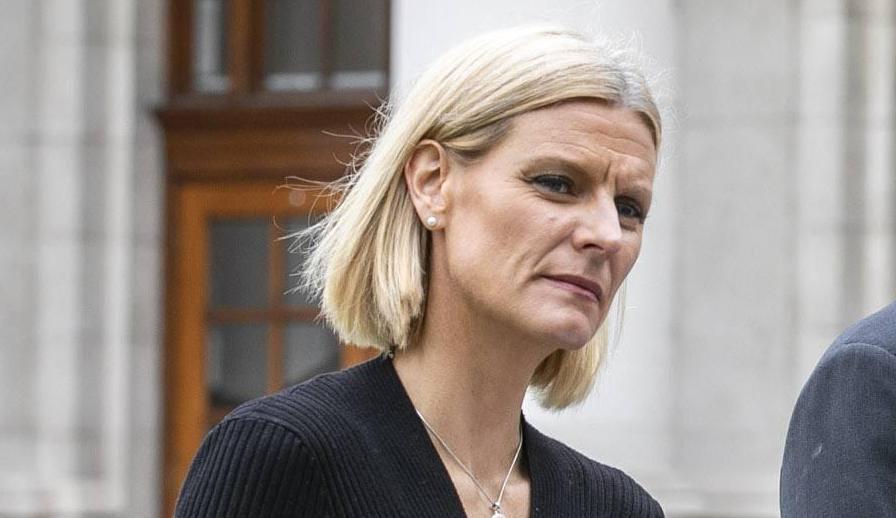
Pippa Hackett: Described the figures as 'unacceptable'.

Farmers have expressed "surprise" after coming under attack from junior agriculture minister Pippa Hackett over the record slaughter of calves in recent days.

Pippa Hackett has strongly condemned the slaughter of thousands of young dairy calves, claiming it is damaging public perception of the sector.

The Department of Agriculture has confirmed that a record 4,556 calves were slaughtered in the week ending Sunday, March 5.

The number of category-v calves, which refers to bovines slaughtered from the day of birth until the day they are eight months old, has increased dramatically in recent years.Ā 

In 2018, some 16,788 unwanted calves were culled, however, this had jumped to 29,495 by last year.

Ms Hackett described the most recent figures as "unacceptable" and said the dairy sector "must take responsibility for its unwanted calves".

"This has a detrimental impact, not only on the animals, but on the public perception of farming," she said in a tweet.

However, farming organisations have hit back at the minister, accusing her of criticising them on social media at a time when she should be working with the sector to develop positive options.

'Surprising' reaction

Pat McCormack, president of the Irish Creamery Milk Suppliers Association (ICMSA), said that for Ms Hackett to describe a practice that is under the remit of her own department as ā€œunacceptableā€ was, "to say the least, a little surprising".

Mr McCormack said that it might be better and more useful if Ms Hackett was to join the ICMSA in developing positive options that could be put in front of farmers in relation to bull calves.

"The ICMSA thinks that looking at the data and seeing what works and then developing options around that is a better policy then tweeting that something your department is in charge of regulating is ā€˜unacceptable'," said Mr McCormack.

The number of dairy cows in the country has been steadily increasing since the abolition of milk quotas in 2015 and this has also resulted in a rise in calves born each year.

Heifer calves can often be kept on dairy farms to continue on the herd, however, bull calves are either exported, sold at marts or slaughtered.

While the number of live dairy calves exported out of the country increased by 19% last year, so too did the number of calves slaughtered jumping by 16% compared to 2021.

Department of Agriculture figures also show that just 100 dairy farms were responsible for 53% of calf slaughtering last year.

A Calf Stakeholder Forum has been working on plans to stop the culling of young dairy bull calves from 2024 and had suggested that processers would stop collecting milk from farmers if they continued with the practice.

As part of this work the Department of Agriculture last year wrote to farmers urging them to use "alternative, more socially sustainable welfare-friendly management practices".

Mr McCormack pointed out that the ICMSA has been calling for the provision of "positive options" through a Dairy Beef Welfare Scheme, that if structured correctly would address the concerns raised by Ms Hackett.

The scheme was set to up to increase the economic and environmental efficiency of beef from the dairy herd by supporting farmers who rear calves from the dairy herd.

For the scheme, farmers must weigh eligible calves and are then paid €20 per calf up to a maximum of 40 calves. These payments have not changed this year despite calls from the ISCMA for increased funding.

We proposed it and outlined how it would work better for dairy-beef integration and crucially, emissions and sustainability.

"We might have expected the support of the Minister in our repeated requests to have the Department of Agriculture, Food and the Marine look at the data and put some proportionate funding in, but that hasn’t happened.

"Even after the department released figures just recently that showed that the Dairy Beef Welfare Scheme was by far the best emissions value of all the current schemes on a cost-benefit basis.

"We still have no reactions and increase in commitment from Minister Hackett or her colleagues," he said.

x

More in this section

Lunchtime News

Newsletter

Keep up with stories of the day with our lunchtime news wrap and important breaking news alerts.

Cookie Policy Privacy Policy Brand Safety FAQ Help Contact Us Terms and Conditions

Ā© Examiner Echo Group Limited