Food production emissions would push world past 1.5C - report
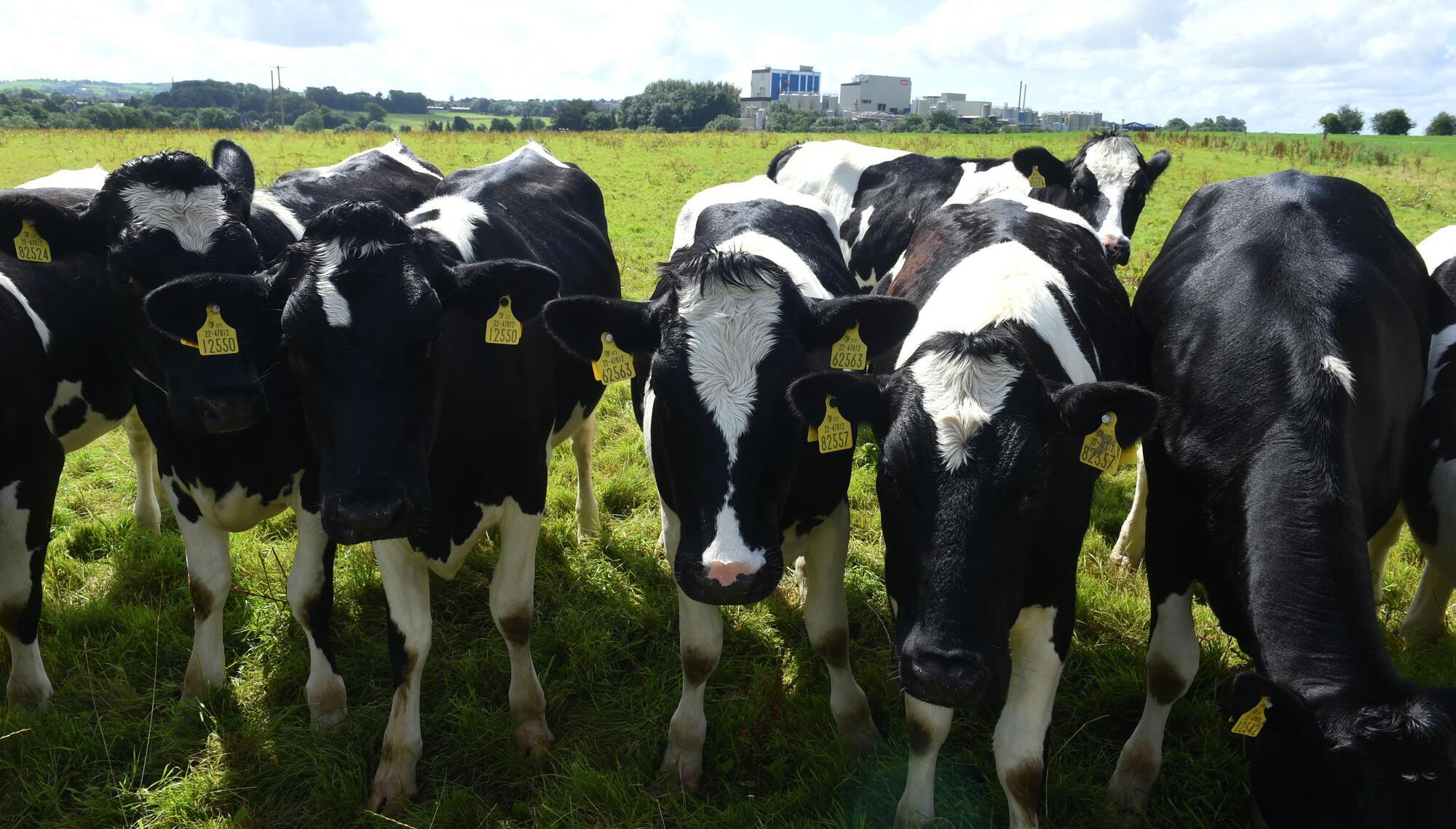
Some 75% of the food-related heating was driven by foods that are high sources of methane — those coming from ruminant livestock such as cattle, and rice paddy fields. File picture: Larry Cummins
Agriculture's impact on the climate is in the spotlight again after a new study found that emissions from the food system alone will drive the world past 1.5C of global heating unless high-methane foods are tackled.
Climate-heating emissions from food production, dominated by meat, dairy, and rice, will by themselves break the dreaded international milestone of 1.5C of warming if left unchecked, the study found.
World leaders believe limiting the planet's warming to 1.5C will give the planet a chance to stave off severe climate disruptions that could exacerbate hunger, conflict, and drought.
The research, published in the journal , shows that if today’s level of food emissions continued, they would result in at least 0.7C of global heating by the end of the century, on top of the 1C rise already seen.
This means emissions from food alone, ignoring the huge impact of fossil fuels, would push the world past the 1.5C limit.
Some 75% of this food-related heating was driven by foods that are high sources of methane — those coming from ruminant livestock such as cattle, and rice paddy fields.
“Methane has this really dominant role in driving the warming associated with the food systems,” said Catherine Ivanovich, at Columbia University in the US, who led the research.
“Sustaining the pattern [of food production] we have today is not consistent with keeping the 1.5C temperature threshold.
“That places a lot of urgency on reducing the emissions, especially from the high-methane food groups."
Ireland's Environmental Protection Agency estimates that 37% of the country's emissions in 2021 were generated by the agricultural sector.
The Government has signalled plans to cut the national herd by 10% within the next seven years under a raft of sectoral efforts to reduce Ireland’s emissions, as part of its updated Climate Action Plan.
Experts say Ireland must go much further if it is to reach its legally binding ‘net zero’ carbon target by 2050, with some suggesting that Ireland needs to cut its dairy and beef herd numbers in half.
The US research says the temperature rise could be cut by 55% by cutting meat consumption in rich countries to a single serving of red meat a week, reducing emissions from livestock and their manure, by using feed additives and better-managing manure, and by using renewable energy in the food system.
CONNECT WITH US TODAY



Be the first to know the latest news and updates