Provide legal aid earlier to asylum seekers, urge support groups
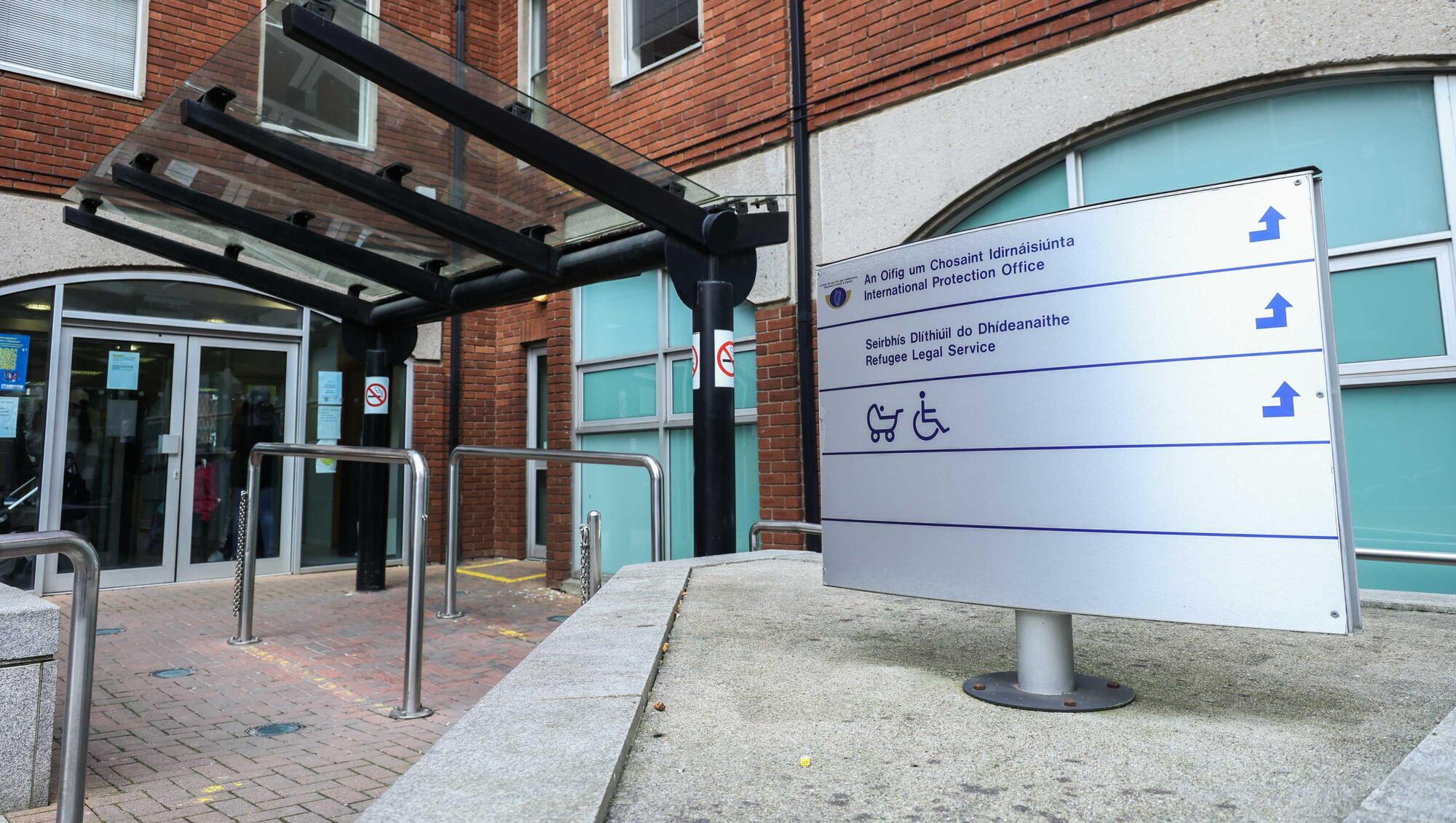
Legal aid should be provided when people applying for asylum enter the International Protection Office, Nasc has said. Picture: Sam Boal/RollingNews.ie
Legal aid should be provided when people applying for asylum enter the International Protection Office (IPO) in order to prevent unfair processes and possible lengthy appeals, Nasc has said.
Since November, asylum seekers must fill in a form in English when they first arrive at the IPO, which will form the basis of their asylum application.
But this is currently done without first providing any legal advice, although cultural mediators and interpreters can be present.
This “sets applicants up for failure” and can create “innocent inconsistencies” in their application which may lead to their rejection and lengthy appeals, refugee support groups now say.
Applicants from countries deemed safe now have just a few weeks between the time they first fill out that form and have their substantive interview — another key determinant of their application process.
The Legal Aid Board ought to be properly resourced to ensure that it can deal with applicants who are subject to accelerated procedures, given the tight timeframes involved, said Nasc, the migrant and refugee support group.
Brian Collins, advocacy service manager with Nasc, said that the new system raises concerns about the quality of information collected when applicants are not getting legal advice.
“It’s definitely a step backwards compared to what was here in Ireland before and a lot of lawyers would be concerned about what it would mean going forward for people.
“I have heard anecdotally people being distressed and disappointed and leaving the IPO without a copy of the information that was given.
“It would be excellent if some representative from the Legal Aid Board was on site at the IPO in their own contained space where they could be available for people filling in their questionnaires, particularly for vulnerable applicants."
Reuben Hambakachere, community development worker with Cultúr Migrant Centre, also said that applicants have been coming to him in distress.
“People are coming from traumatised regions and have a lot to process. They are coming to us very concerned, asking why they had to fill out that form on arrival, because it’s only later that they realise that that form would form the basis of their case going forward.
"And these people often do not speak the language.
“It’s really setting people up for failure to make them fill out a form that they do not have the language to understand.
“Interpreters are on site, but it’s a limited service."
CONNECT WITH US TODAY



Be the first to know the latest news and updates