Rural families must not be 'punished' under short-term letting bill, committee told
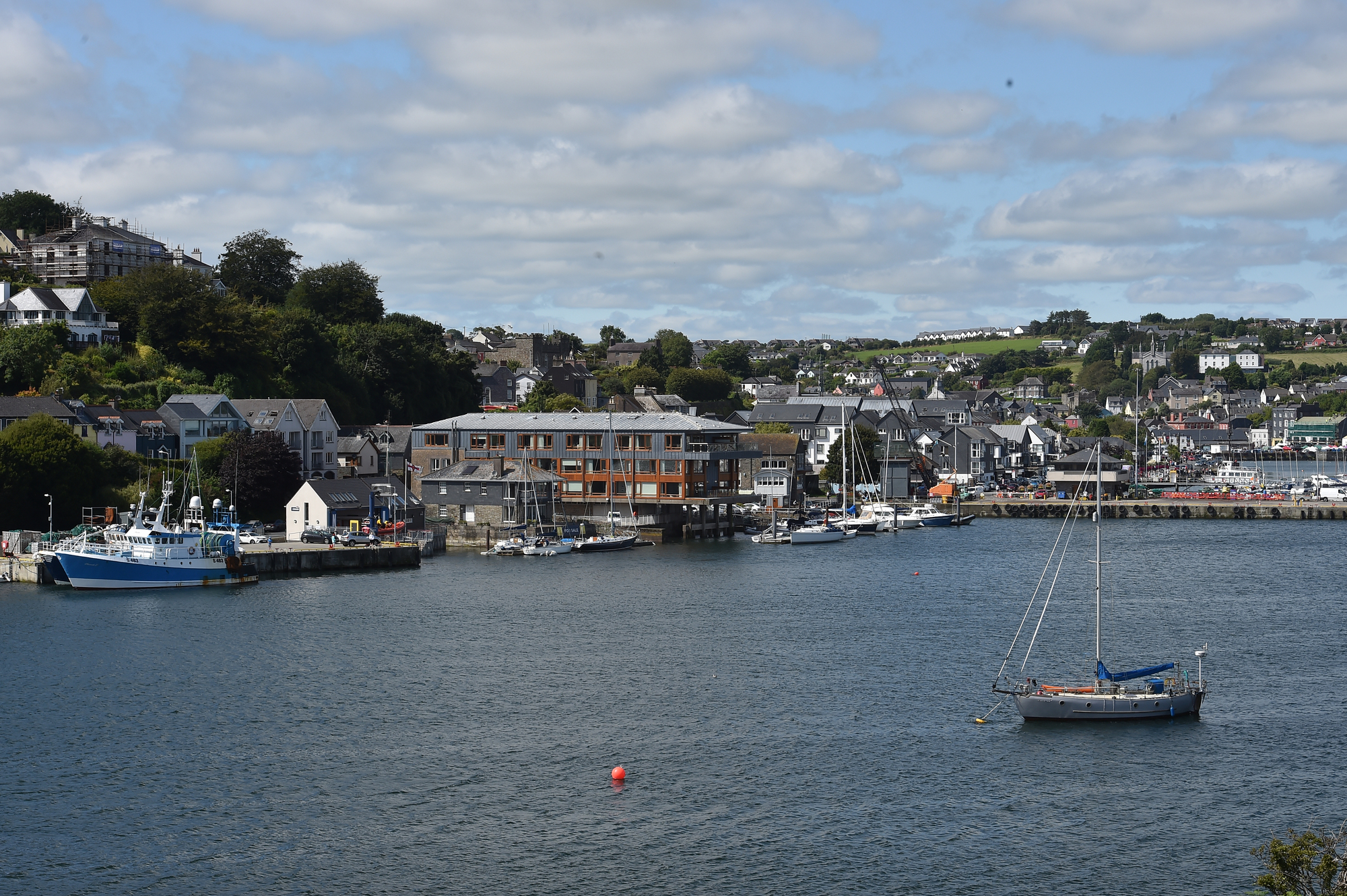
'People say they can’t get rental accommodation in Kinsale. They identify vacant premises and, in a significant percentage, they find they’re up on Airbnb,' said Fianna Fáil TD Christopher O’Sullivan at the committee meeting. Picture: Dan Linehan
The return of over 10,000 Airbnb-style properties to the long-term housing stock would be “significant" in a time of crisis, but rural Ireland could lose out, an Oireachtas committee has heard.
Irish Self-Catering Federation chairperson Máire Ní Mhurchú told TDs and senators that while building more homes is the solution to the housing crisis, rural families whose income includes their short-term rental properties must not be “punished” under proposed new laws.

Representatives from tourism organisations, Airbnb, Expedia, and housing charity Threshold all addressed the Oireachtas tourism committee on the Government’s planned Regulation of Short-Term Tourist Letting Bill.
Under the planned law, a new online register will be set up where properties advertised for short-term letting will be obliged to have a valid registration number provided by Fáilte Ireland. Fáilte Ireland could levy fines of up to €5,000 for an invalid listing.
Launching the bill last December, Tourism Minister Catherine Martin said it would be an important measure in addressing the availability of private residential rental accommodation and could return as many as 12,000 units to the market.
At the committee, Fianna Fáil TD Christopher O’Sullivan cited examples in his own constituency of a balance to be struck with the new regulations.
“Kinsale is a very popular tourism town,” he said. “It’s also a vibrant town to live in. I’m talking to people who visit our constituency offices who will say they can’t get rental accommodation. They identify vacant premises and, in a significant percentage, they find they’re up on Airbnb.”
On the other hand, he said, there is a fear that the new regulations will “restrict rural economies that depend on tourism”.
Mr O’Sullivan said that those who are refused planning permission to offer a granny flat for short-term letting likely will not then offer the flat for long-term rental accommodation.
Threshold legal officer Zak Murtagh said it would be important that the new regulations “have teeth” as a €5,000 fine for platforms that make millions of euros a year will not act as much of a deterrent.
“If a loose approach is taken having to qualify for planning permission, it’ll become readily available and probably too easy,” said Mr Murtagh.
“It could result in fewer properties returning to the long-term rental market.”
Mr Murtagh also said that the suggestion that 12,000 residential units could return to long-term rental stock was “on the optimistic side”.
Irish Tourism Industry Confederation chief executive Eoghan O’Mara Walsh, however, said that there was a rural/urban divide in this matter and it was important that planning guidelines come along with these new regulations.
“In urban areas that desperately need housing, it’s right and proper,” he said. “But we have to be very careful in regional Ireland we don’t throw the baby out with the bathwater. It’ll have long-term economic consequences.”
Airbnb’s head of public policy Derek Nolan said: “It is clear that in communities across the country, small businesses from pet farms to pubs, cafes to craft shops, all benefit from the presence of hosts and guests.”