Special 9% Vat rate for hospitality sector extended until September
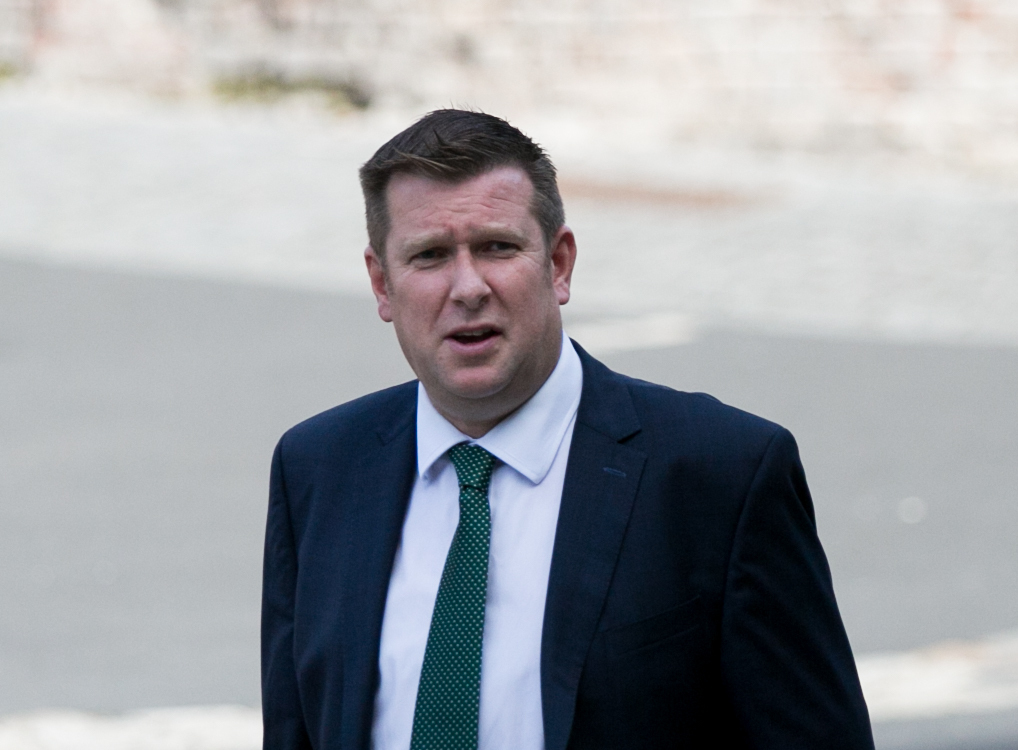
Restaurants Association of Ireland CEO Adrian Cummins said the continued reduction will provide the necessary support to the restaurant and hospitality sector as they continue to recover from the covid crisis. Picture: Gareth Chaney/Collins
An extension of the reduced 9% Vat rate for hospitality was welcomed by the industry as “exceptional news” that would prevent further price hikes being passed on to consumers.
The hospitality Vat rate is to return to the standard 13.5% rate from September.
The Temporary Business Energy Support Scheme (TBESS) will also be extended, and simplified to allow more small businesses to avail of the support. Just €38m out of a €1.3bn budget to help with businesses' exorbitant gas and electricity bills has been approved for payment.
The TBESS is now to be extended until the end of May. The threshold for qualification will be reduced from 50% to a 30% increase in electricity or gas costs compared to the same period one year ago.
The level of relief will also increase from 40% to 50% of eligible costs from March 1st.
The monthly payment limit will also increase from the current €10,000 to €15,000 per month from next month and overall payment caps will rise to €45,000 from €30,000.
The Restaurants Association of Ireland (RAI) welcomed the decision to extend the reduced 9% Vat rate for hospitality for the next six months.
RAI CEO Adrian Cummins said the continued reduction will provide the necessary support to the restaurant and hospitality sector as they continue to recover from the covid crisis as well as battling high rates of inflation plus increasing pressures on their margins.
He also welcomed the extension and alterations made to the TBESS.
“It helps our industry immensely," Mr Cummins said.
“An increase in the Vat rate would have added to inflation in the country. We’re thankful to the Government for the extension, but we will keep a close eye on this towards the end of the summer time to see would it be extended beyond the summer."
Ireland had the second highest hospitality VAT rate in Europe, and the previous 13.5% rate is too high, Mr Cummins said.
Hoteliers have also welcomed the extension of the 9% tourism Vat rate and energy supports.
Irish Hotels Federation (IHF) president Denyse Campbell said the measures announced now give tourism businesses greater certainty as they grapple with the impact of the cost-of-living crisis on Irish consumers and key overseas markets.
“Today’s announcement is a clear recognition by the Government of the challenges facing tourism and hospitality, Ireland’s largest indigenous employer which currently supports over 250,000 livelihoods. It will go a long way in helping to sustain the recovery of our industry at a time when businesses and consumers are facing significant economic and financial headwinds.”
“A vibrant tourism industry is one of the most effective ways to spread employment opportunities and prosperity throughout the entire country. That is why the decision to extend the 9% Vat rate is so critical for communities and regions that rely on tourism as a major employer and driver of economic activity.”
Ms Campbell noted that most European countries apply a reduced Vat rate to tourism accommodation:
Ms Campbell also welcomed changes to the TBESS energy support scheme.
Paul Dolan of The Barn bar and gastropub in Glanmire, Cork said that the move prevented businesses passing on a 4.5% price increase to consumers.
He said that raising the Vat rate back up to 13.5% had been the biggest threat facing the hospitality sector.
“It’s exceptional news. Putting up Vat by 4% was heartbreaking for us.
"We’re lucky, we’ve only put up our prices once since August 2021, and that was only a 7% increase, we’ve absorbed all the increases. So we’re lucky we could put our prices up the 4% to cover the Vat, and we’d be ok, people would still come to us because we’re still value for money.
"But a coffee shop increasing their price from €3.40 to €3.60 for a cup of coffee will effect their footfall. A lot of coffee shops will try to absorb that increase themselves, and that 4.5% will be like giving them another electricity and gas bill in the door. It’s huge.
"If a business turns over €100,000, that’s €4,000 straight away, gone."
Mr Dolan said that the TBESS had been too complicated and time-consuming for small businesses to avail of.
And while he welcomed news of plans to simplify and extend it, he said that it may have come too late for some businesses which may have already folded under escalating costs.
His own electricity bill was €22,000 for just six weeks' supply and he also has “an astronomical” gas bill, and the gastropub’s air conditioning is run off a generator which does not qualify for subsidies under the TBESS.
“We have accountants to do the subsidy and we managed to get it through but it took time and a lot of work to get it. It’s a nightmare to claim. But a small company could not get their heads around this subsidy.”