Plan needed to avert 'staffing crisis' in cancer services
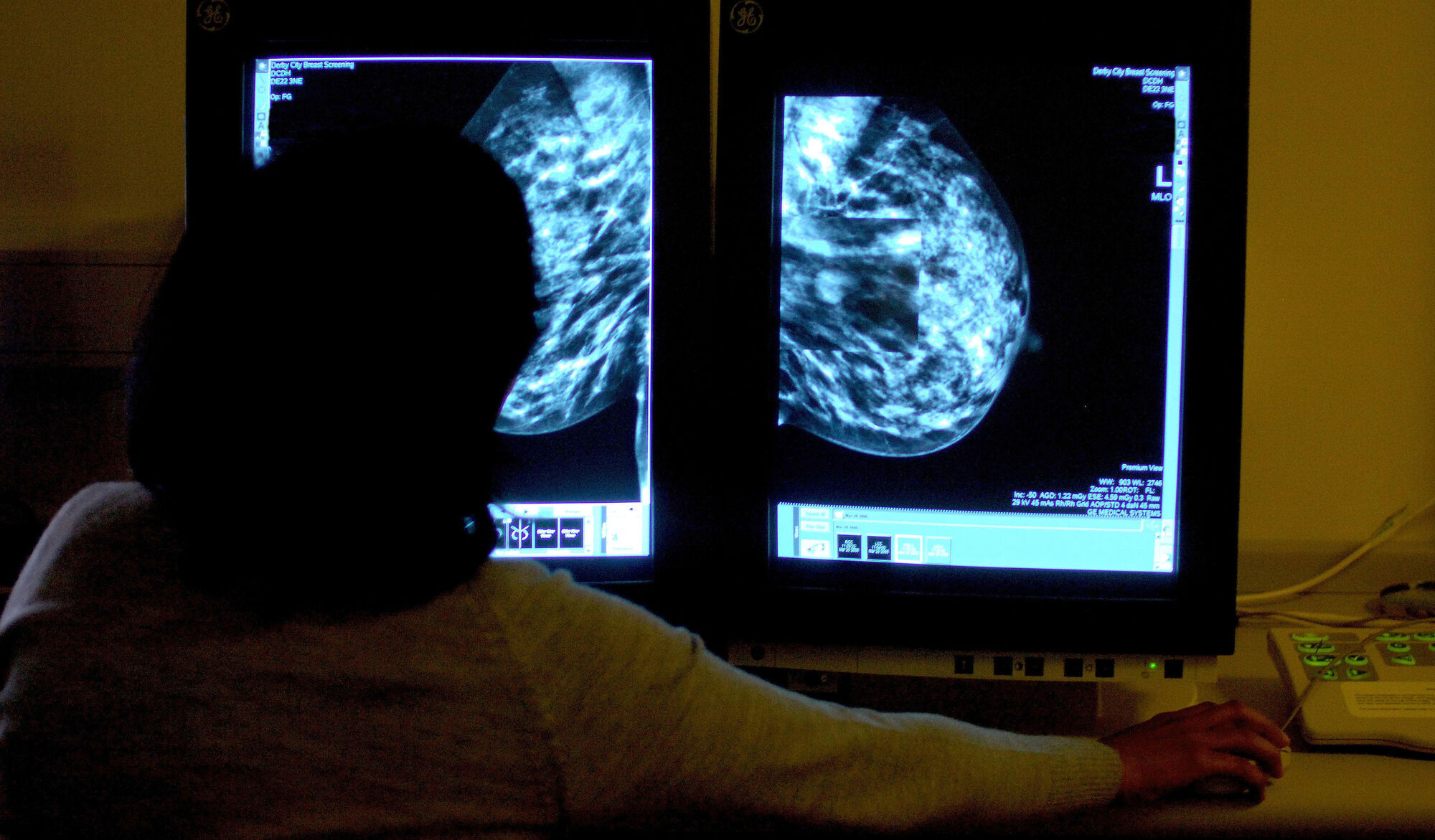
Director of advocacy at the Irish Cancer Society Rachel Morrogh said the charity was concerned about the capacity challenges facing radiotherapy services, which are under 'significant pressure'. File picture: Rui Vieira/PA Wire
An emergency plan is required to avert a “full-blown staffing crisis” within cancer services in Ireland.
That is according to Siptu union representatives, who said a 30% shortfall in “crucial” radiation therapists is causing increasing delays in cancer treatment.
Siptu sector organiser John McCamley said there were currently at least four cancer treatment machines that are not in operation around the country due to a lack of qualified radiation therapists.
“These machines could treat around 30 patients a day, meaning there may be as many as 120 cases not being dealt with on a daily basis due to staffing deficits.
“We have successfully argued for the setting up of the radiation therapist review, which will hopefully recommend measures to improve recruitment and retention,” he said.
However, the union is calling for a short-term emergency plan to bridge the gap between now and when the recommendations of the review are implemented.
“The HSE and the minister for health need to act decisively to avert a full-blown staffing crisis within cancer services,” he said.
Director of advocacy at the Irish Cancer Society Rachel Morrogh said the charity was concerned about the capacity challenges facing radiotherapy services, which are under “significant pressure” saying: “Demand is consistently exceeding capacity.”
Ms Morrogh said about six in 10 cancer patients should receive radiotherapy either for primary treatment or palliative care. However, in reality, about three in 10 patients receive this type of treatment.
“The National Cancer Strategy states that 90% of patients who receive radiotherapy should commence it within 15 days of being ready to treat. This target was due for completion in 2017, yet it has not been reached in any of the five years for which full data are available, from 2017 to 2021.
As well as addressing the challenges facing the patients of today, there needs to be an unwavering political focus on the preparedness of the radiotherapy services to meet the expected demand placed on it by future cancer patients,” she said.
The National Cancer Registry of Ireland estimated that between 2015 and 2045, the number of newly diagnosed patients undergoing radiotherapy is expected to increase by 77%.
“The capacity, infrastructure and staffing required to deliver timely and consistent access to radiotherapy services has not been adequate to meet referral demand for some time and unless action is taken to address this, the proportion of cancer patients being able to avail of this life-saving cancer treatment will decline further,” Ms Morrogh said.
In a statement, the HSE said it is "very aware" of the challenges with the radiation therapists workforce in Ireland and is continuing to progress recruitment campaigns.
"In the short term, all of the current public radiotherapy services in Ireland have offered additional hours, outside of normal service to existing staff to enable patients to be seen within the correct timeline. It is hoped that the impact of this enhanced work will be noted in April.
"Longer-term mitigation is detailed in the National Review of Radiation Therapists ...The primary aim is to develop a more attractive career structure for radiation therapists in Ireland with changes proposed as part of a retention strategy for the profession."