UCC lecturer calls for new definition of homelessness as latest data 'the tip of the iceberg'
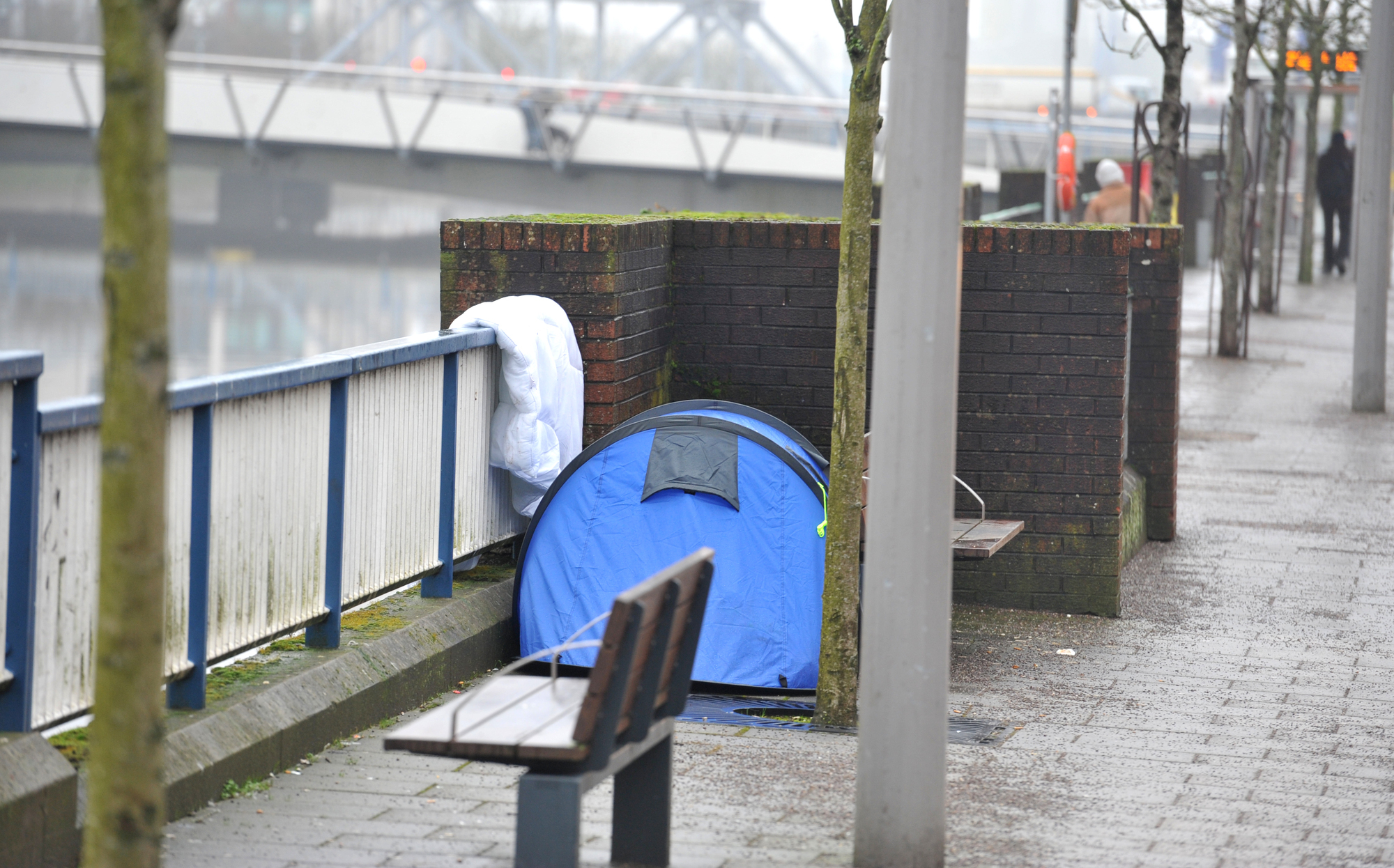
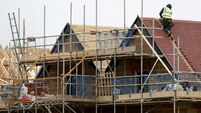
December's record high figure of 11,632 only took into account those experiencing “rooflessness”. File picture: Larry Cummins
Official homeless figures are “just the tip of the iceberg”, according to a Lecturer at Univesity College Cork (UCC).
December was the sixth consecutive month that homeless figures reached a record high which now stand at 11,632. However, these figures only took into account those experiencing “rooflessness”, one of four categories under the ETHOS definition of homelessness.
Dr Samantha Morgan Williams from the School of Law in UCC said the current definition affects what is or what is not done by the Government in response to homelessness in Ireland and expanding the definition would allow for the full scope of the issue to be highlighted while also informing Government policy.
She said the ETHOS definition which is seen as the gold standard of what homelessness legislation should look like to respond to the full extent of the issue has three other main categories: houselessness, living in insecure housing, living in inadequate housing.
“Ireland is often recognised by organisations as being ahead of the rest of Europe in one sense because we do have a definition of homelessness which all of the homelessness supports are rooted in,” she said.
However, Dr Morgan Williams said the definition is limited as it only recognises those sleeping rough or relying on emergency accommodation.
ETHOS, however, recognises the hidden homeless which includes those without leases, as well as people living in unfit or overcrowded housing and also takes into account those who are couch-surfing, and living with parents or friends.
To show the true extent, she analysed data from a survey of Traveller housing in Cork and Kerry and saw that under the current definition, 22% were considered officially homeless.
Dr Morgan Williams found that 85.6% of those surveyed were considered homeless under the ETHOS definition and therefore not recognised by Irish legislation and cannot get supports.
“Our State definition is only capturing a very slim number of the most severe homeless across society. To adequately respond to the full depth of the issue, we need an improved definition.
“When you think about homelessness services in Cork, they’re only responding to people who are rough sleeping or those without a house. State supports are only responding to the people who are at the absolute worst end of it,” she said.
Father Peter McVerry said the private rental sector is “dead” before describing the current crisis as the worst he has ever seen.
“Successive Governments have failed to build social housing. The Government praised themselves for exceeding housing targets, and that’s great for those who have €450,000 in the bank.
“I can’t see the problem improving anytime in the near future. I’ve stopped suggesting to people that they should look for private rental accommodation using HAP, it’s just so frustrating and it makes people angry because they go to dozens of viewings and never get a response.”
Father Peter McVerry said the number of those who are homeless would be “massively increased” if the definition was used to assess the true scale of homelessness.
Father McVerry said although it’s difficult to quantify how many people are living involuntarily with parents, anecdotally there are “huge numbers” of those forced to do so due to unaffordable rental costs. “The number of actual homeless people is three or four times what the figures say,” he said.
CONNECT WITH US TODAY



Be the first to know the latest news and updates