Fears Brexit will cause 1,200 job losses in Irish mackerel sector
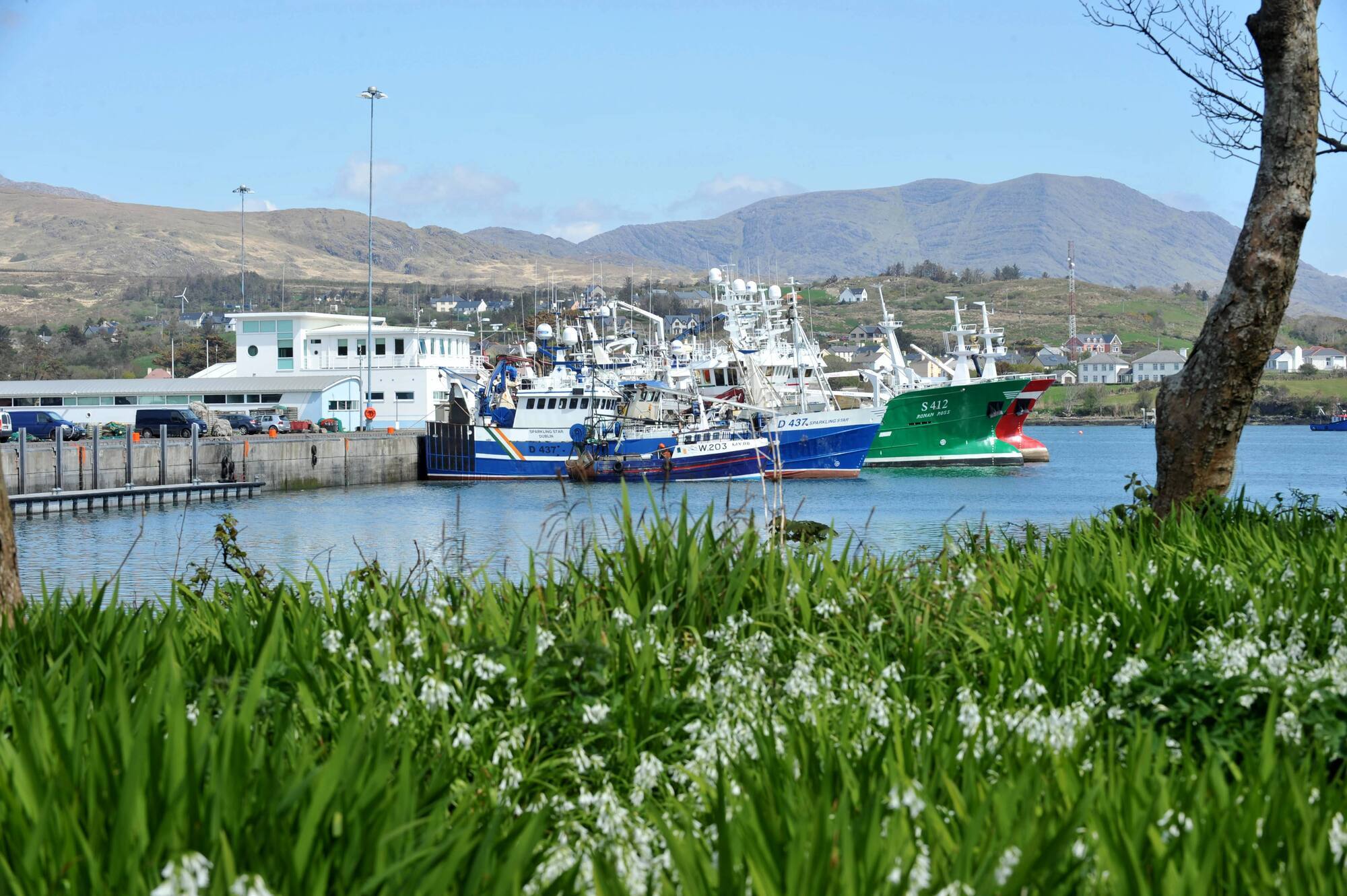
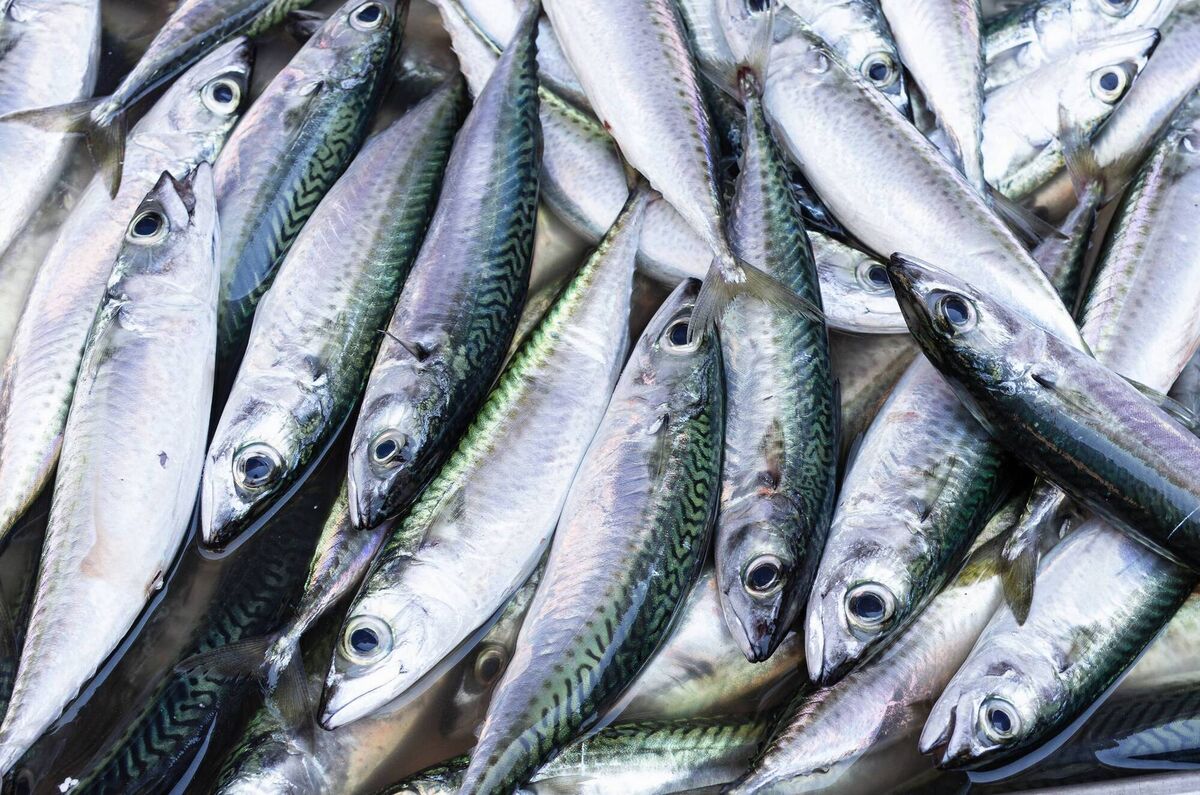
There are fears Ireland’s mackerel sector could lose more than 1,200 jobs by 2030 due to Brexit. Picture: Dan Linehan
Ireland’s mackerel sector will lose more than 1,200 jobs by 2030 because of Brexit, according to fishing industry representatives.
The economic cost to the industry in lost revenue and impact on the local economy is also estimated to be more than €800m.
This is according to an analysis of the impact of Brexit on the sector which predominantly centres around mackerel, blue whiting, and herring catches.
In three years, from 2021 to the end of 2023, pelagic fishers will, for example, have lost a total of 37,508 tonnes of their mackerel quota, the amount the EU says they can catch.
The loss of quota is a result of what was agreed in the post-Brexit trade deal, the EU-UK Trade and Cooperation Agreement (TCA), signed after both the EU and UK agreed to various concessions. It meant EU members having to relinquish certain fishing rights.
This will amount to a loss of €52.4m to the Irish pelagic sector by the end of 2023.
This is on top of losses the sector has suffered because of the pandemic, the war in Ukraine, and the UK’s post-Brexit ban on EU fishing vessels operating within the 12 nautical mile exclusion zone around Rockall, in the north Atlantic.
“When Facebook announced it was cutting staff last November, everybody got very worried about the possible 400 job cuts in the tech industry," said Killybegs Fishermen's Organisation CEO Sean O'Donoghue.
“But the impact of Brexit on our sector of the fishing industry alone is around three times that and a lot of those workers have families in local Irish communities.
He is demanding €29m owed to the sector from a €1bn EU fund to help the Irish fishing industry cope with Brexit.
This is at a time when other countries, including Denmark, have set up an EU-approved scheme for their pelagic sector.
Although other sections of the Irish fishing industry have received a share of more than €100m from the Brexit Adjustment Reserve (BAR) Fund, this sector has received nothing.
This is despite the fact that the pelagic sector has been the worst-hit sector of the Irish fishing industry.
As well as more than €50m going to ports, piers, and other coastal community projects, other BAR funding beneficiaries include the mushroom and seed-potato sectors, and inshore fishers.
The October 2021 Report of the Seafood Task Force, set up to look at the Brexit-related impact on the fishing industry, proposed the pelagic sector be provided with an €8m short-term liquidity scheme and €21m tie-up scheme.

Mr O'Donoghue said they have yet to see this money. "This money was promised to us and we haven’t seen a penny of it," he said.
“The knock-on effect of Brexit is having and will continue to have huge economic consequences.
“We keep asking for the money and keep being told it is being worked on but that’s not good enough.
“The minister of agriculture needs to get on with it and give us the money, and his officials should stop fobbing us off with excuses. We need the minister to show us the money.
“If Denmark can do it for their pelagic fleet, why can’t Ireland?”
The department was asked why there is a delay in getting the funding to the pelagic sector.
In its reply, a spokesperson said the proposed liquidity aid scheme is being “fully assessed from a legal perspective”. They said there are "issues" to be resolved in how the tie-up scheme could operate and "further exploration" is required.
The minister is "continuing to work" to progress the remaining taskforce proposals, they added.
In respect of the proposed tie-up scheme, they said: “There are issues as to how a meaningful tie-up scheme could operate.
“As such the basis for this initiative was less defined and required further exploration.
“A scheme can only be launched when this work is completed and all the necessary processes are completed in respect of receiving national sanction and State Aid approval at EU level.
“The minister is continuing to work to urgently progress remaining task force proposals, in the context of regulatory and budgetary challenges, to support the industry in meeting the wider challenges in the seafood sector," they said.
“The value of any scheme will be subject to national sanction and state aid approval.”
The post-Brexit EU-UK Trade and Cooperation Agreement (TCA) led to the transfer of a substantial amount of EU fishing quotas to the UK.
Ireland’s total quota losses have made up 40% of the EU fish quota transferred to the UK, while the remaining 60% was spread across all the other EU member states.
While there have been incremental annual losses since the TCA was signed in December 2020, these continue until 2025.
By then, Ireland’s annual loss of quota will be valued at more than €50m.
However, while Ireland’s quota cut helped the TCA over the line, the deal has made it harder for Irish fishers to earn a living.
The BAR fund is supposed to mitigate against the negative impacts of Brexit, including funding a €75m decommissioning scheme for boats that cannot afford to fish any more and want out of the industry.
Although the pelagic fleet is relatively small, numbering around 50, around 400 fishers are employed on those boats and based between Galway and north Co Donegal.
In addition, there are people employed in the associated fish-processing industry and ancillary boat services, such as netting, plumbing, carpentry, and welding.
CONNECT WITH US TODAY



Be the first to know the latest news and updates