Medicine shortage worsens as 212 products out of stock, research finds
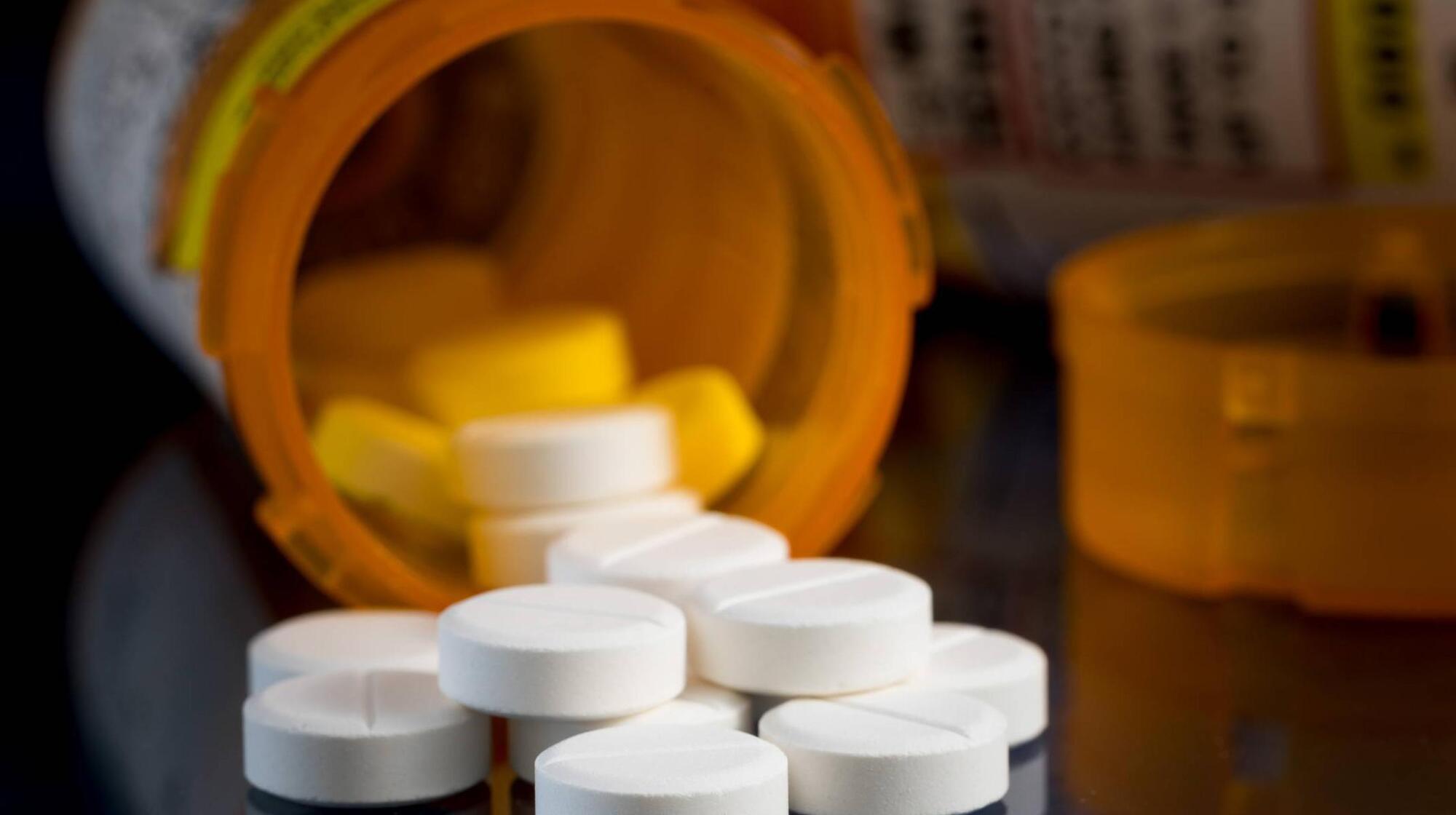
The analysis found that common medicines such as Amoxicillin and Penicillin, used to treat bacterial infections, and Cefalexin, commonly used to treat respiratory infections, are all currently unavailable from any supplier or source.
Over 200 medicinal products are currently out of stock in Ireland, leaving pharmacists scrambling to find alternatives for sick people.
Cases of Covid, flu and RSV have continued to rise sharply over the last two weeks, seeing a sharp rise in demand.
However, that demand together with issues in the supply chain has led to 212 products being unavailable, latest research has shown.
The medicines experiencing shortages are for use across a range of health conditions, including respiratory and bacterial infections, strep throat, pneumonia, pain relief and blood pressure.
There is a major shortage of over-the-counter (OTC) cough syrups for both adults and children, with pharmacists left scrabbling for alternatives.
Sprays for sore throats, dissolvable paracetamol powder, and soluble aspirin are also widely unavailable.
The Medicine Shortage Index, prepared by industry experts, Azure Pharmaceuticals, analyses the most up-to-date data published by the Health Products Regulatory Authority (HPRA).
The analysis found that common medicines such as Amoxicillin and Penicillin, used to treat bacterial infections, and Cefalexin, commonly used to treat respiratory infections, are all currently unavailable from any supplier or source.
The shortage of Clarithromycin, used to combat strep throat and pneumonia, is also causing growing pressure as the three suppliers of the medicine — who account for over 50% of the market — are now also out of stock.
Commenting on the latest Index analysis, managing director of Azure Pharmaceuticals Sandra Gannon said:
“For the second month running, we are seeing the scale of medicine shortages in Ireland and resulting impact on patients and those who care for them.
“At a time when we are desperately trying to keep people out of our hospitals and provide adequate care in the community, leaving patients without access to their vital treatments has huge knock-on implications for the current crisis in our emergency departments.
"Existing high-level of sicknesses and hospital demand pressures risk being exacerbated further by the medicines shortages problems."
On measures which could be taken to tackle the problem, Ms Gannon added:
“Opening the door to alternative sources for medicines which are currently single-source dependent needs to be fast-tracked. Medicines will continue to follow the best prices, and until Ireland can better compete globally in this regard, the shortages we’re seeing will continue.
"It is also time to reflect on the learnings of Covid, broaden our manufacturing base, and de-risk our dependency on particular markets.”
The HSE's chief clinical officer Dr Colm Henry moved to assure the public that the HSE had all the drug supplies it needed.
“We have available stock,” he said when asked about the shortage of over the counter medications on RTE radio.
While there was a shortage of some over the counter items, the most important medicines were antibiotics and the HSE could confirm that it had the supplies it needed.

CONNECT WITH US TODAY



Be the first to know the latest news and updates