Divestment 'moving at snails pace' as just one school left Catholic patronage in 2022
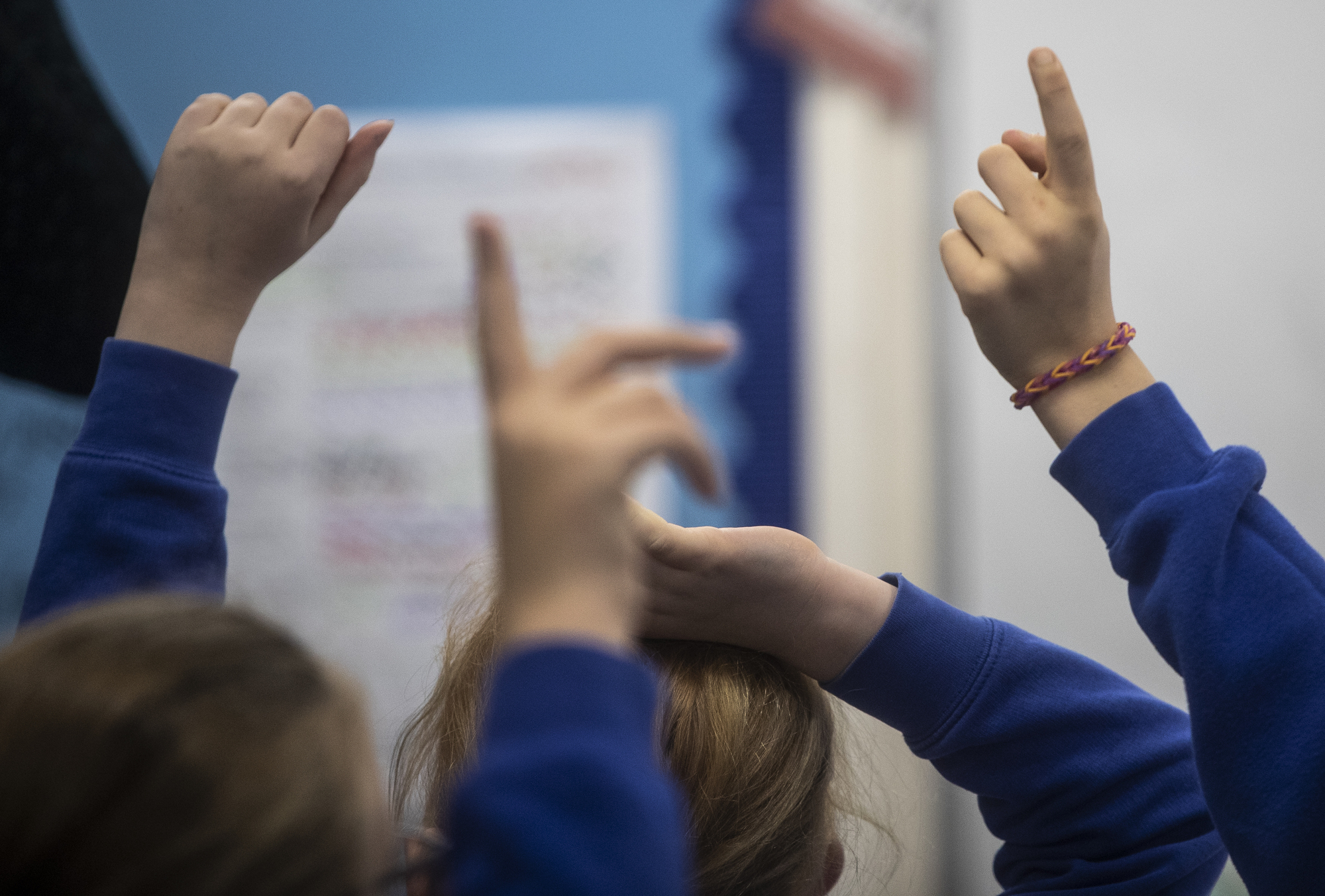
The current Government has set a target of increasing the number of multi-denominational primary schools to 400 by 2030. Picture: Danny Lawson/PA Wire
With almost 90% of Irish primary schools remaining under Catholic patronage, about 5% have a multi-denominational ethos.
The current Government has set a target of increasing the number of multi-denominational primary schools to 400 by 2030.
This would bring the percentage of multi-denominational primary schools to about 13%.
While consultations in some areas of a pilot project launched earlier this year aimed at speeding up divestment are “well advanced”, no schools in these areas have yet gone through the full process yet.
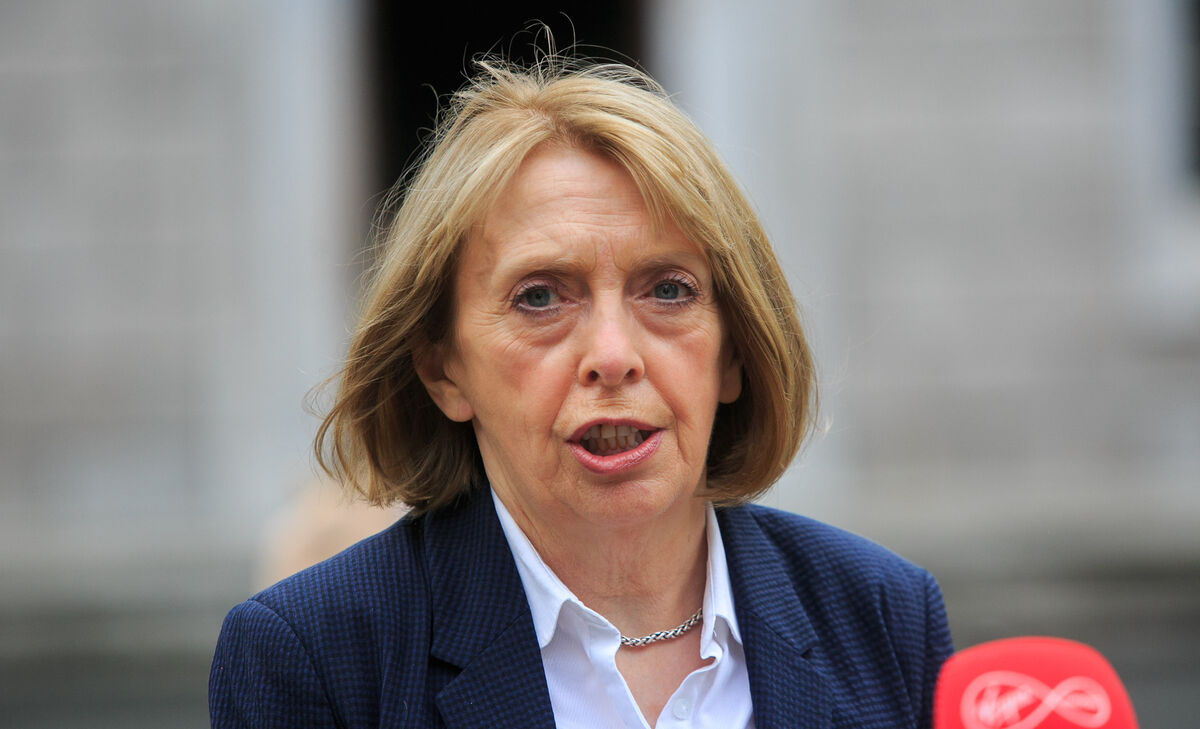
The figures are included in a recent parliamentary question posed by Róisín Shortall, co-leader of the Social Democrats and TD for Dublin North-West.
“The Government is utterly failing to meet demand for multi-denominational schools,” Ms. Shortall told the .
“The divestment programme is happening at a snail’s pace and the Programme for Government commitment to establish at least 400 multi-denomination primary schools by 2030 is starting to look like a pipe dream.”
In response to Ms Shortall’s parliamentary questions, Education Minister Norma Foley pointed to a current pilot programme running in several towns and cities that have no multidenominational primary schools.
The project, which is being carried out by the Department of Education with the cooperation of the relevant Catholic bishops, is currently running in Arklow, Athlone, Dundalk and Youghal, as well as areas in the cities of Cork, Dublin, Limerick and Galway.
The department aims to create more choice for parents who do not wish to send their children to a religious school, Ms Foley said.
“However, any change of patronage will only take place with the agreement of the local community.”
A number of independent facilitators are available across the pilot areas to work with the school patron and relevant school authorities, she added.
These facilitators are aiming to progress the reconfiguration pilot initiative, assist in identifying potential schools, engage with stakeholders “with a view to agreeing on a transfer of patronage and change of ethos, where there is sufficient demand”.
As part of the process, the facilitator also engages with the school principal, board of management, and school staff.
The engagement process also includes an information meeting for parents where they can raise any questions and share their views.
This engagement is then reviewed by the facilitator and a representative of the patron, with the facilitator writing a preliminary report to reflect the views of the school authorities, staff and parents.
Ms Foley added that this report had been circulated to the full school community in pilot areas that have progressed to this stage.
“While in the case of some pilot areas the process is very well advanced, none have gone through the full process with the patron’s decision communicated to the school community.”
A spokesman for the Department of Education told the Irish Examiner this engagement commenced in some of the areas prior to the school summer holidays.
It should be "largely concluded in many areas" by the end of March, which will "help clarify the level of demand for reconfiguration in these areas", he added
In 2011, then minister for education Ruairí Quinn launched an independent forum on patronage and pluralism in primary schools, and during his term began the process of school divestment.
Most Catholic primary schools are under the patronage of the bishop in their locality.
In a statement following the general meeting of the Irish Bishops’ Conference in 2021, the bishops said they would like to “move as quickly as possible to a situation in which the State supports parents with the provision of schools whose ethos genuinely reflects what they want for their children”.
“Bishops are supportive of an educational landscape which reflects the reality of the increasingly diverse society in our country.
“A true plurality of patronage across the country should ensure parental choice whilst enabling patrons to be true to their own ethos and characteristic spirit.”

CONNECT WITH US TODAY



Be the first to know the latest news and updates