Just 6% of schools that appealed Deis decision were successful
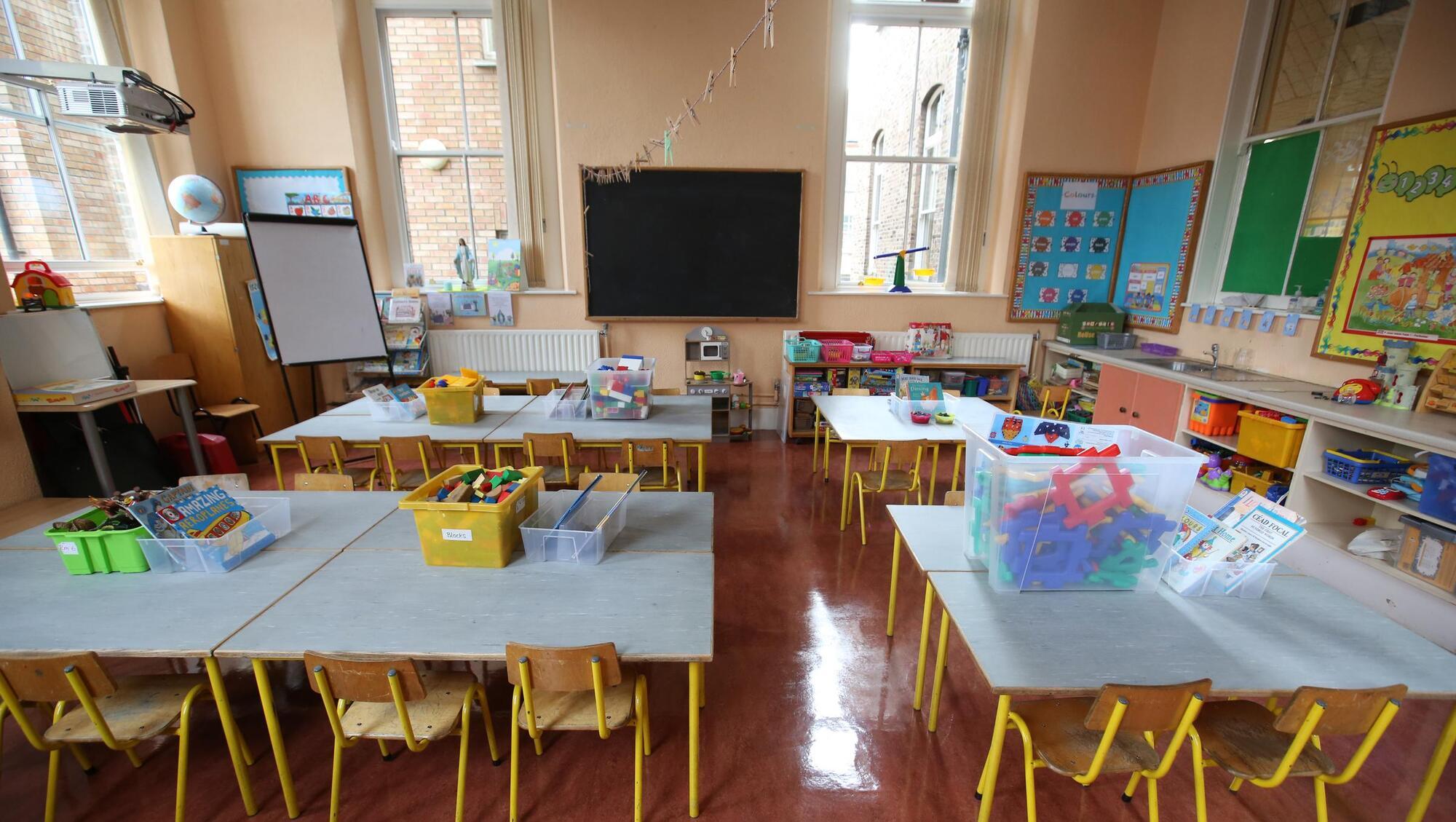
Deis schools receive targeted additional resources such as school meals, literacy and numeracy supports and a lower pupil-teacher ratio. Picture: Sam Boal/Rollingnews.ie
Just 6% of schools that appealed for disadvantaged status following the rollout of a major new model went on to be included in the programme.
Education Minister Norma Foley announced in March that the Delivering Equality of Opportunity in Schools (Deis) programme was to be expanded.
As the department’s main policy initiative responding to educational disadvantage, Deis schools receive targeted additional resources such as school meals, literacy and numeracy supports and a lower pupil-teacher ratio.
Earlier this year, a new, updated Deis identification model, which uses enrolment and national census data, was applied to every primary and post-primary school in the State.
With 347 schools added to the programme, it marked the largest expansion of the Deis programme to date, at a cost of €32m.
However, almost 200 schools that were not happy with how the new model was applied lodged appeals with the Department of Education.
In response to a recent parliamentary question, Ms Foley confirmed her department received appeals from 197 schools, made up of 148 primary and 49 post-primary schools.
This is out of 3,832 schools in Ireland, indicating that "just under 95% of schools were satisfied with the process", she added.

Following the completion of the appeals process, an additional 12 schools out of the 197 were added to the Deis programme from September, including 11 primary schools and one post-primary school.
"The Deis appeals process was applied fairly across all appellants and the results are final," Ms Foley said.
"The Department of Education will continue to support schools to deliver high-quality, inclusive teaching and learning to students and young learners."
The Deis identification process is based on the principle of concentrated disadvantage and the proportion of students from disadvantaged backgrounds within a school, Ms Foley said.
The new Deis identification model aimed to identify schools with the highest levels of concentrated disadvantage or the highest proportion of students from disadvantaged backgrounds using the school's enrolment data and national census data as represented by the Pobal HP Deprivation index.
"The updated HP Deprivation Index when available can be considered by my department to inform future resource allocation to tackle educational disadvantage," Ms Foley added.
CONNECT WITH US TODAY



Be the first to know the latest news and updates