Psychiatric nurses to attend some scenes with gardaí in new scheme
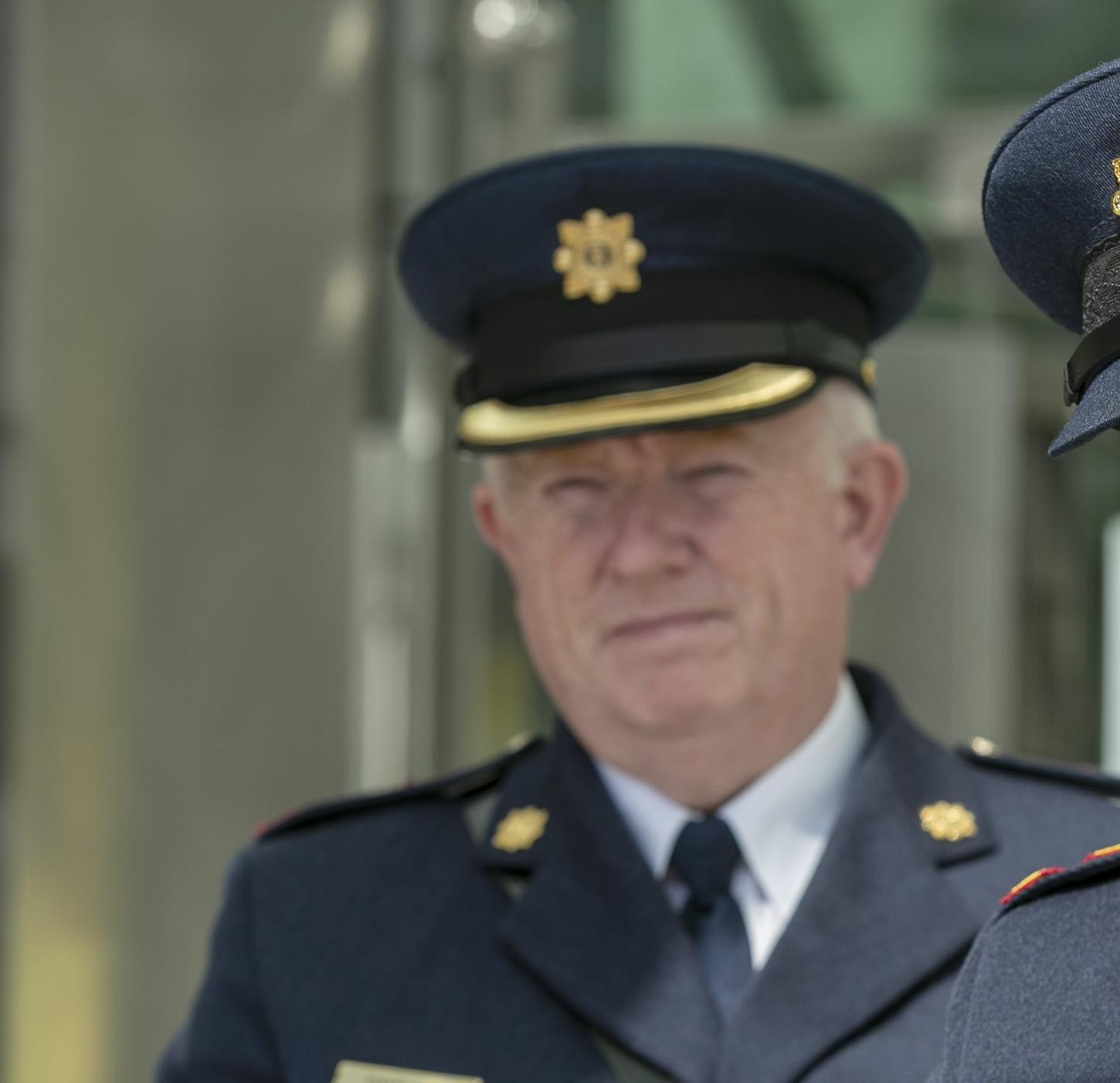
Chief Superintendent Gerard Roche says that the force is fully behind the pilot programme in Limerick that will see greater collaboration with mental health professionals, such as psychiatric nurses, accompanying gardaí to the scene of incidents. Picture: Collins Courts
Most gardaí who arrest people under the Mental Health Act would not have done so if there was a viable alternative, with a new report describing how the arrival of gardaí can cause the person who is unwell "extreme fear" and even "terror".
The findings are in a report outlining how a new method of dealing with such cases — to be led by a pilot programme in Limerick — will see greater collaboration between gardaí and the Health Service Executive, with specialised training for officers and a mental health professional, such as a psychiatric nurse, accompanying gardaí to the scene.

The report — written by Supt Andrew Lacey, Alan Cusack, and Bláithín O’Shea of the School of Law at the University of Limerick — outlines the steady rise in the number of people arrested under Section 12 of the Mental Health Act 2002, under which gardaí can make a decision to take a person believed to be suffering from a mental disorder into custody.
It found that nationally, the number of Section 12 arrests has risen each year from 4,002 in 2018 to 6,315 in 2021. Late last month Chief Supt Gerard Roche told the Policing Authority that gardaí expected the figure for this year to rise still further to 7,000.
The report looked at 1,035 incidents in Limerick in 2019 and 2020 identified as mental-health-related that required Gardaí to attend, and also interviewed the gardaí present.
It found that:
- 77% of arresting gardaí said if there had been an alternative to arrest, they would have used it;
- 79% of respondents felt current legislation relating to mental health was inadequate;
- 72% of the mental-health-related PULSE incidents occurred outside the hours of 7am and 5pm, that more than half of the individuals involved were aged between 30 and 60, and that alcohol abuse and drug dependency "featured prominently in the incidents".
The report outlines in detail the proposed response, itself recommended in a high level taskforce report published last September — that gardaí and the HSE work collaboratively in response to call-outs where a mental health element is quickly identified, with trained professionals such as a psychiatric nurse or social worker attending with gardaí.
Almost two-thirds of gardaí in Limerick questioned about Section 12 detentions felt that a co-response model would give rise to better outcomes, and 31% of respondents stated they would be interested in applying for the pilot co-response team.
At the recent Policing Authority meeting, Chief Supt Roche, said "everyone is on board" regarding the Limerick pilot.
Chief Supt Roche was a member of the High-Level Taskforce to consider the mental health and addiction challenges of those who come into contact with the criminal justice system which published its report last September, recommending the Limerick pilot scheme. At the recent meeting in Portlaoise he said an initiation document would be filled in the coming weeks that would begin the process, including recruitment in the new year.
The Lacey/Cusack report stressed that police officers should not be the de facto responder to mental health crises. However, the multi-agency approach will frequently see intervention at the police custody stage".
Chief Supt Roche told the Policing Authority that at present an initial assessment takes between 10 and 90 minutes, "but if you have a professional with you they may not go to garda station at all. That person would be able to step in, conduit to other services. We would hope Section 12 [arrests] would reduce, but the de facto situation is that between 5pm to 7am and at weekends An Garda Siochána are de facto the people who look after people with mental health issues."