‘People are coming to us crying’: Poorer households suffer higher inflation
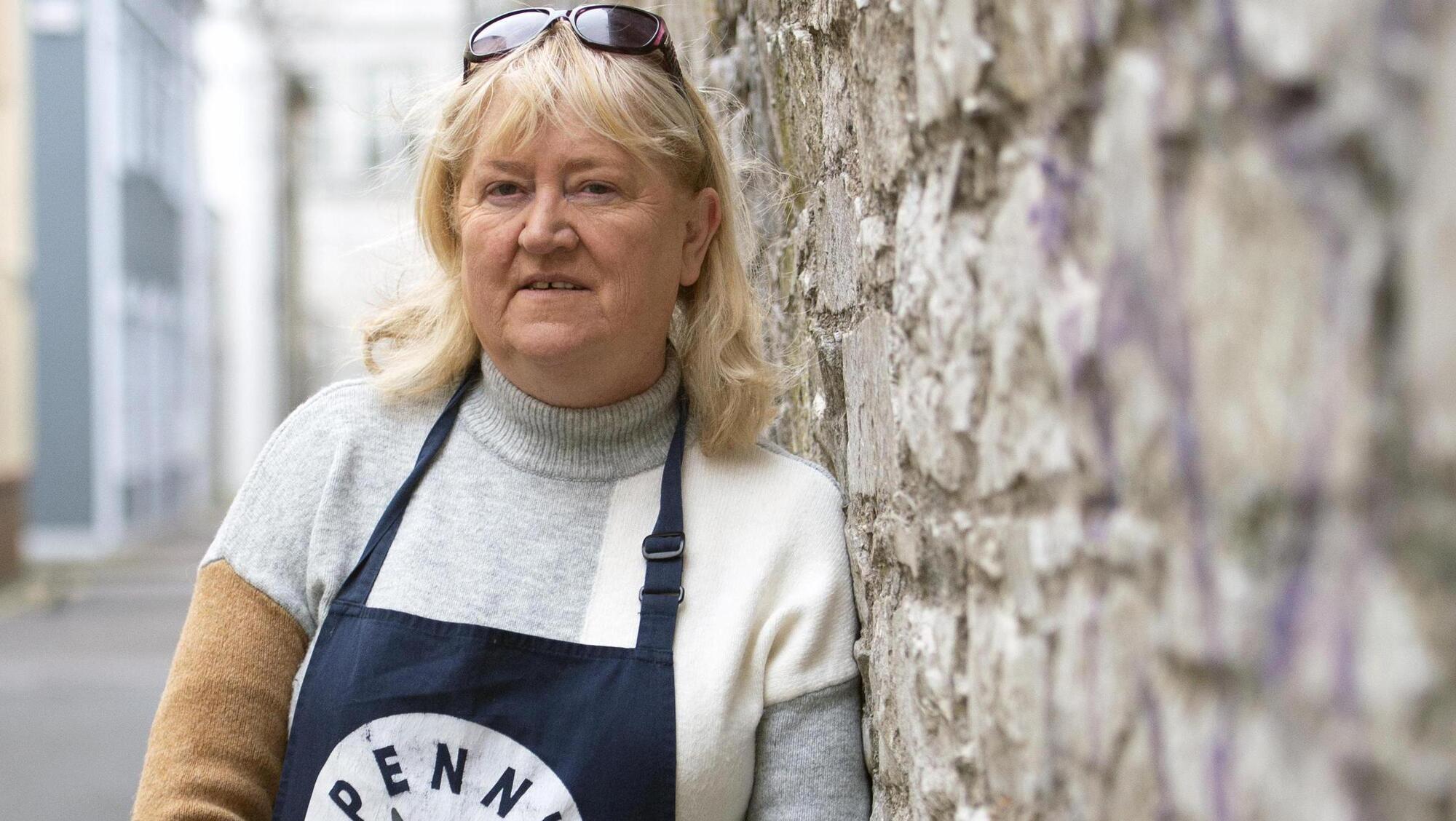
'Since September and October we have seen a massive increase in the amount of people coming to us,' said Caitriona Twomey of Penny Dinners, Cork. Picture: Dan Linehan
There has been a “huge increase” in people attending Cork Penny Dinners as households struggle to keep up with rising bills and inflation.
The charity has seen a more than three-fold increase in attendances since the pandemic, with numbers surging in recent weeks.
New data released by the Central Statistics Office (CSO) on Friday that not only were low-income families the hardest hit by inflationary pressures amid the cost-of-living crisis, but they experienced higher levels of inflation than wealthier families.
In September, overall inflation reached 8.2%, according to the Consumer Price Index (CPI). However, a new breakdown by the CSO found lower-income households experienced inflation rates of up to 9.5% annually compared with 7.5% for highest-income households. The increase has been driven mainly by energy costs.
The CSO also revealed that in the five years up to September 2022, the lowest-income households experienced an estimated price increase of 15%, whereas the highest-income households increased by 11.6%.
Caitriona Twomey of Cork Penney Dinners said that the number of people looking for food, household hampers, toiletries, sanitary products, and clothes is "rising daily".
More worryingly, she has also seen more people looking for tents and sleeping bags. Ms Twomey and her team now serve about 1,000 cooked dinners every day, up from 300 at the beginning of the pandemic.
“We thought 300 was top of the range for us!” she said.
Cork Penny Dinners has seen an increase recently of people with good jobs from middle-class backgrounds not traditionally associated with needing the service, as high mortgages and bills continue to hammer families.
“Since September and October we have seen a massive increase in the amount of people coming to us,” she said. “We believe that because the cost of living went up so high, that it’s placed [food] outside of people’s reach.”
“We have people coming up and crying to us — they’re in bits,” she said. “These people’s mental health has suffered big time.”
"It’s the same story from everybody. Inflation has deflated many households now. People that were used to going on holidays, now have to pay bills instead.”
According to CSO data for September, households paying off mortgages had an estimated 7.8% inflation rate, while homeowners experienced a slightly higher 8.4%.
Tenants renting from local authorities were found to be worse off than those renting in the private residential sector, with an estimated 9.1% and 8.3%, respectively.
Rural tenants were harder hit than urban ones, with inflation reaching 8.7% and 8.1%.
Those aged over 65 were found to experience 1% higher inflation than younger people, at an estimated 9%.
CSO statistician Joseph Keating said that “the increasing rate of inflation since the middle of 2021 has prompted greater interest in price change and its effects on households”, prompting this further breakdown of inflationary pressures on society.
“Price changes for electricity, gas and other fuels were responsible for more than a quarter of the 8.2% annual change in the CPI, while transport-related increases contributed almost another fifth of the change.”

CONNECT WITH US TODAY



Be the first to know the latest news and updates