National mental health unit for mothers and babies 'absolutely key' say experts
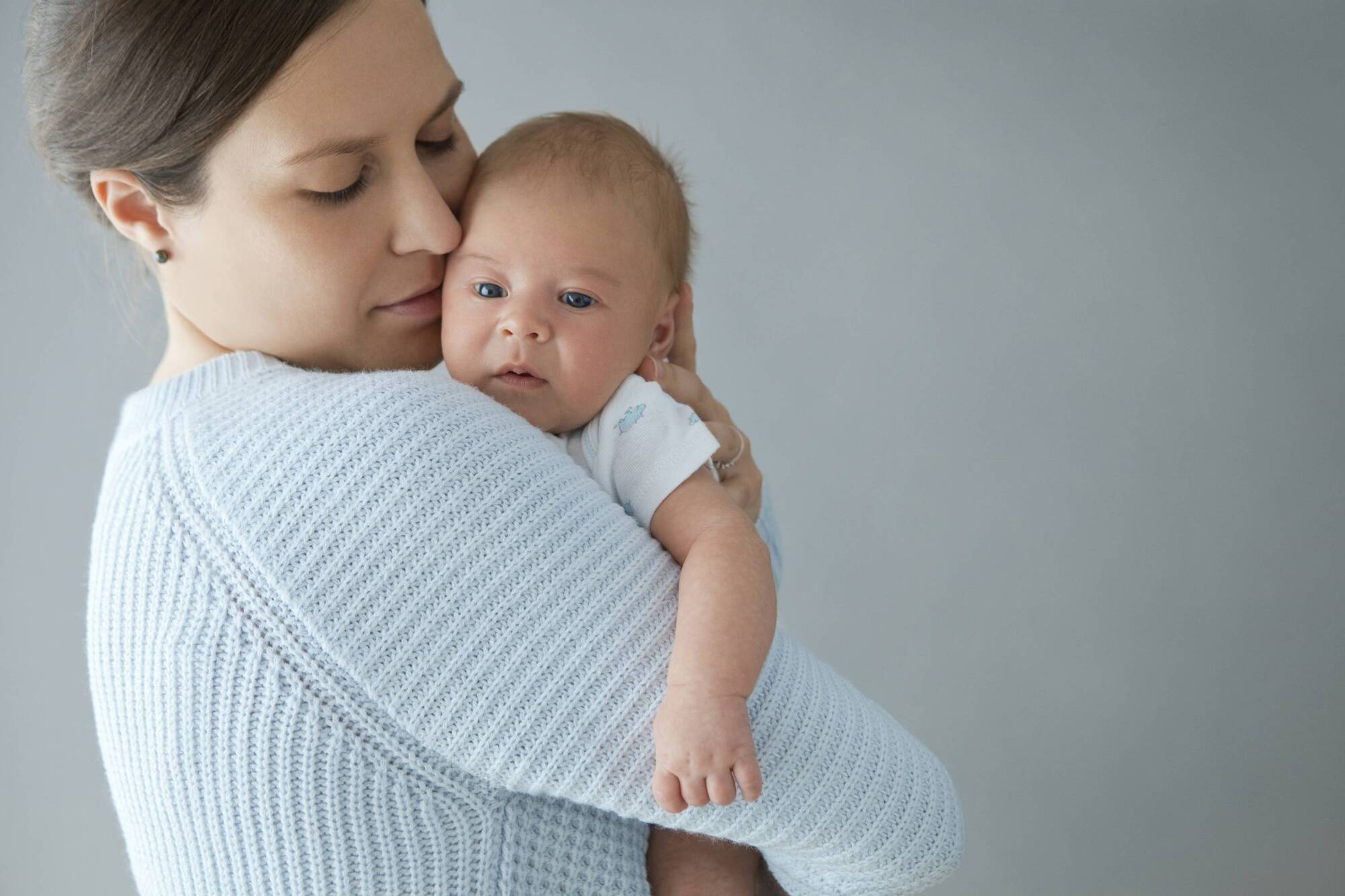
Based on a birth rate of 60,000 per year, an estimated 14,360 women are affected by perinatal mental illness annually. File picture
A national mother and baby unit that would offer specific perinatal mental health supports is "absolutely key", with more than 14,000 new mothers experiencing some form of mental health issue, resulting in some then facing separation from their baby.
Figures presented to the Oireachtas Sub-Committee on Mental Health by Dr Margo Wrigley, National Clinical Lead for the HSE's Specialist Perinatal Mental Health Programme, based on a birth rate of 60,000 per year, outlined an estimate that 14,360 women are affected by perinatal mental illness annually, from just over 10,000 people who experience mild to moderate depressive illness and anxiety, to more than 2,000 who experience either Post Traumatic Stress Disorder or severe depression, respectively, and 136 women who develop chronic mental illness and 136 who experience postpartum psychosis.
"Women may develop a whole range of mental health problems," Dr Wrigley said, adding that the impact was felt not only by the mother, but by the infant and the wider family.
Dr Wrigley said it was almost five years into the development of specialist perinatal mental health services based around a 'hub and spoke' model, with one example being Cork University Maternity Hospital acting as hub for mother maternity units in Kerry, Waterford and South Tipperary.
"A national mother and baby unit is absolutely key," she said.
"For the infant, it is lifelong in terms of having an impact into adulthood."
Dr Eithne Ní Longphuirt, Chair of the Psychological Society of Ireland’s Special Interest Group in Perinatal and Infant Mental Health, told the Committee: "The current iteration of the perinatal services is not equipped to carry out work with babies.
"Services are in portable buildings, in shared office spaces, or in the clinician’s own home when no clinical space is available."
Professor Anthony McCarthy, Consultant Perinatal Psychiatrist at the National Maternity Hospital in Holles Street, said: "The development of the specialist teams and services has represented a huge advance in care.
"And it is one we need to develop further with inpatient facilities to treat mothers and babies together. ln addition, further development of mental health services in the smaller maternity units in the country is needed."

CONNECT WITH US TODAY



Be the first to know the latest news and updates