Hayfever sufferers struggling due to lack of pollen monitoring in Ireland
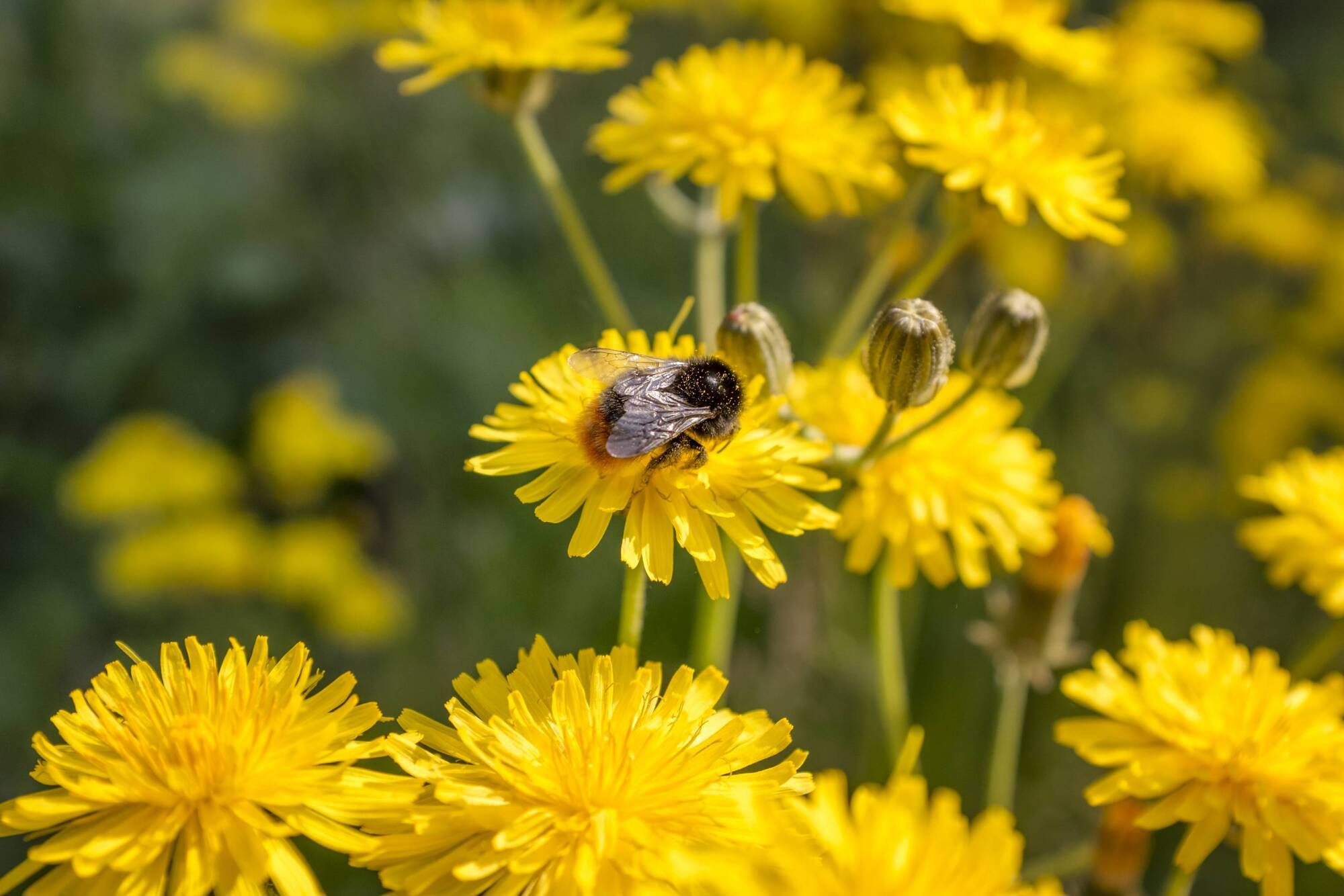
Hayfever sufferers struggling due to lack of pollen monitoring in Ireland

The study also revealed that Ireland had two peak pollen seasons, one beginning in April, and another in June. Picture: iStock

Irish people with hay fever suffer from the lack of a pollen monitoring system in the Republic, according to new research.

A study commissioned by the Environmental Protection Agency (EPA) said the ability to minimise the exposure of vulnerable people to pollen is “non-existent” in Ireland, because of the absence of an established network of monitoring stations to provide detailed and accurate forecasts for those at risk.

Although Ireland was one of the original countries to join the European Aeroallergen Network in 1988, it has not carried out any extensive monitoring on a regular basis.

Current information on pollen levels is made available by forecasts provided by the University of Worcester, and the UK Meteorological Office.

However, the EPA study, which was carried out by researchers at Technological University Dublin (TUD), notes that they might not be fully representative of the pollen concentrations experienced by the Irish public.

This is not an acceptable long-term approach as respiratory diseases and allergies present a significant health risk to the Irish public.

It also observed that time delays between sampling, analysis, and making such information available to the public was one of the biggest problems faced by pollen monitoring networks, with only four countries in Europe using real-time monitoring instruments on a regular basis.

Study results

Test monitoring at a number of locations, including Dublin and Carlow, as part of the EPA study, highlighted significant differences in pollen concentrations and types of pollen between urban and rural sites.

It identified over 60 different pollen types between 2018 and 2019, with approximately half originating from trees and the other half from grass.

Ambient pollen concentrations were significantly higher in Carlow than in Dublin, although there were 38 additional pollen types identified in Dublin that were not present in Carlow.

The study also used a variety of methodologies to gather information on pollen levels, as well as carrying out an analysis of historical unpublished pollen data from the 1970s, which enabled TUD researchers to develop an Irish pollen forecasting tool.

However, they acknowledged that the development of a pollen calendar for Dublin was limited, as data for 5-7 years is required to account for natural variations between seasons.

The study said at least 2-3 more years of monitoring would be required to develop preliminary pollen calendars for other monitoring sites in Carlow and Cork.

The results showed the pollen season in Ireland has two peak periods — firstly from April to May due to high concentrations of tree pollen, most notably from birch trees, and then from June to July, with high concentrations of pollen from grass.

The study said the characteristics of the most common pollen types were of particular concern, as they were also some of the most allergenic.

it said the extensive work it had carried out in constructing a network and prototype pollen forecasting system should “act as the building blocks for a sustainable system in future.” 

Recommendations

It recommended a number of options, from a small-scale automated network of eight monitoring stations, to a large-scale system of 12 stations.

Such a development using real-time equipment would bring Ireland into line with the rest of Europe, while it could also be used to monitor other bioaerosols such as fungal spores, which can prove harmful to crops.

Researchers said the public could be informed two to three days in advance of the potential for pollen to cause allergic reactions, through the use of a colour coded warning system. They estimated the cost of establishing a small-scale network for a five-year period would be just over €1.3m, while the large-scale model would require €2.4m in funding.

While many people who suffer from hay fever see it as an inconvenience and a quality-of-life issue, the report noted that it is particularly dangerous for people with underlying respiratory diseases. Up to 80% of people who suffer from asthma also experience symptoms of hay fever, according to the Asthma Society of Ireland.

The study also observed that Ireland had the 4th highest rate of asthma in the world, which meant pollen represents a serious risk for the Irish public.

x

More in this section

Lunchtime News

Newsletter

Keep up with stories of the day with our lunchtime news wrap and important breaking news alerts.

Cookie Policy Privacy Policy Brand Safety FAQ Help Contact Us Terms and Conditions

© Examiner Echo Group Limited