Speed limits of 32km/hr can cut road deaths by a quarter
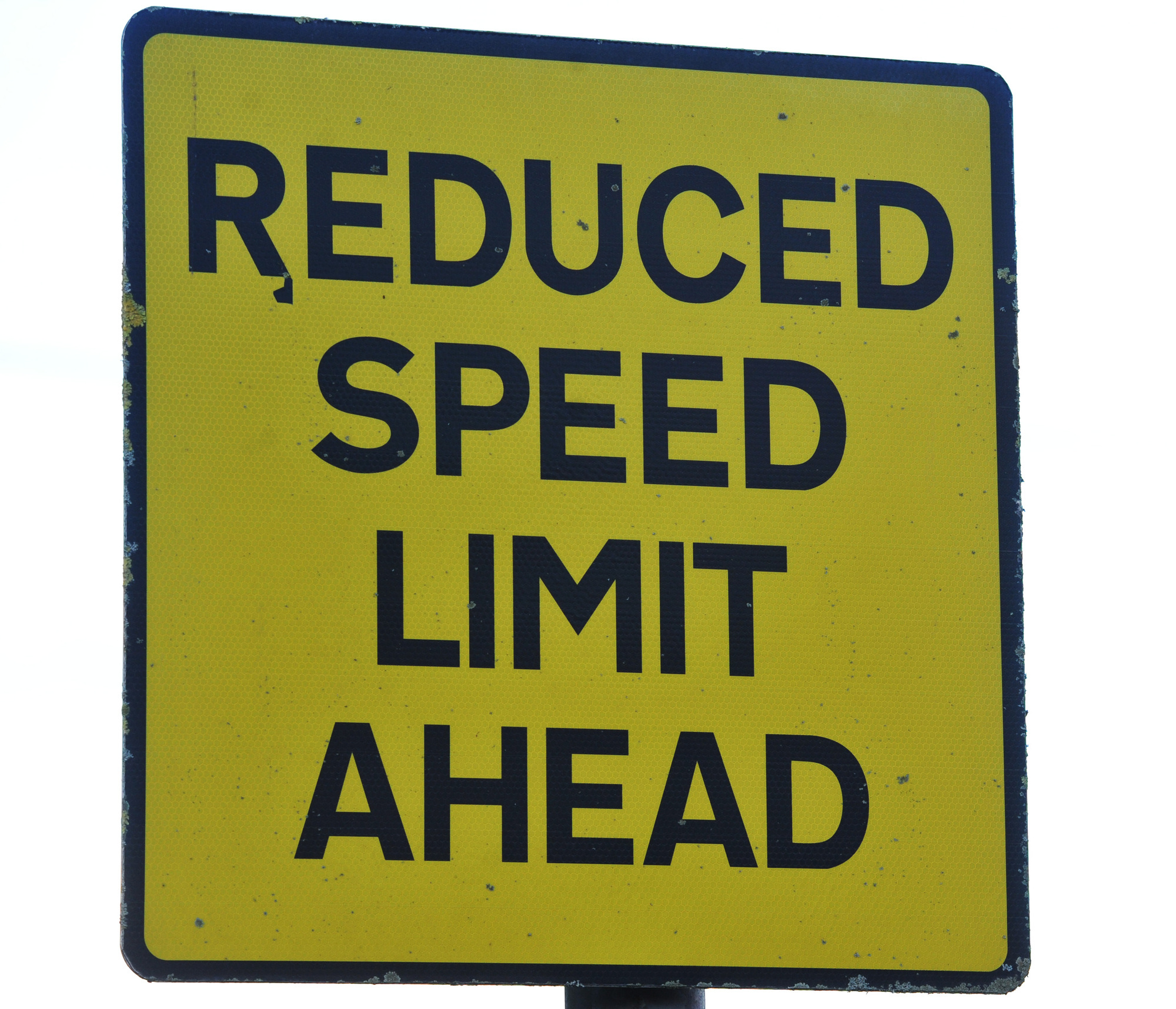
Prior to the speed limit change, 45% of cars in Edinburgh travelled above 32km/h with the amount dropping to 31% after the trial. File picture: Larry Cummins
Speed limits that are reduced to 32km/h in urban areas can decrease road deaths by up to a quarter, a new study has shown.
The 32km/h speed limit also reduced serious injuries by one-third.
The year-long study which was carried out in Edinburgh and Belfast showed that fatalities dropped by 23% while serious injuries caused by collisions fell by 33%, where the speed limits were restricted.
Speed signs were changed and no extra measures were put in place such as police patrolling, which made the trial cost-effective and saw improved road safety but also enhanced quality of life for residents, according to researchers.
The researchers worked with local and national traffic authorities to gauge the effectiveness of 32km/h restrictions which were introduced by the City of Edinburgh Council in 2016. Prior to the speed limit change, 45% of cars in Edinburgh travelled above 32km/h with the amount dropping to 31% after the trial.
The number of collisions during the trial fell from 514 to 367, a 40% reduction while casualties fell by 39% from 569 to 409.
Project leader Professor Ruth Jepson, of the University of Edinburgh, said: “The study shows that city-wide speed reductions can reduce collisions and casualties and that they were increasingly accepted by the local community.”
The Belfast trial, which was restricted to city centre streets, led to a 2% drop in casualties and collisions, however, researchers say the 2% drop reflects the study’s narrower reach. The study in Belfast was carried out in an area where traffic speeds were already low and were, on average, less than 32km/h.
Professor Ruth Hunter, from Queen’s University, said: “City-wide expansion of 32km/h limits in Belfast would likely lead to further reductions in casualties, collisions and other important public health outcomes.”
The study found that reducing traffic speed also helps to create better quality living environments.
Researchers measured liveability in terms of safety, health, sustainability, education, transport, amenities and living standards, and found it improved in both cities after the introduction of speed restrictions.
A year after the speed limits were introduced the number of people who were supportive of the change increased, as did their willingness to obey the limits, according to the researchers.


CONNECT WITH US TODAY



Be the first to know the latest news and updates