Over 200 calls to Garda unanswered as fallback emergency system also fails during 999 outage
Over 200 calls to Garda unanswered as fallback emergency system also fails during 999 outage

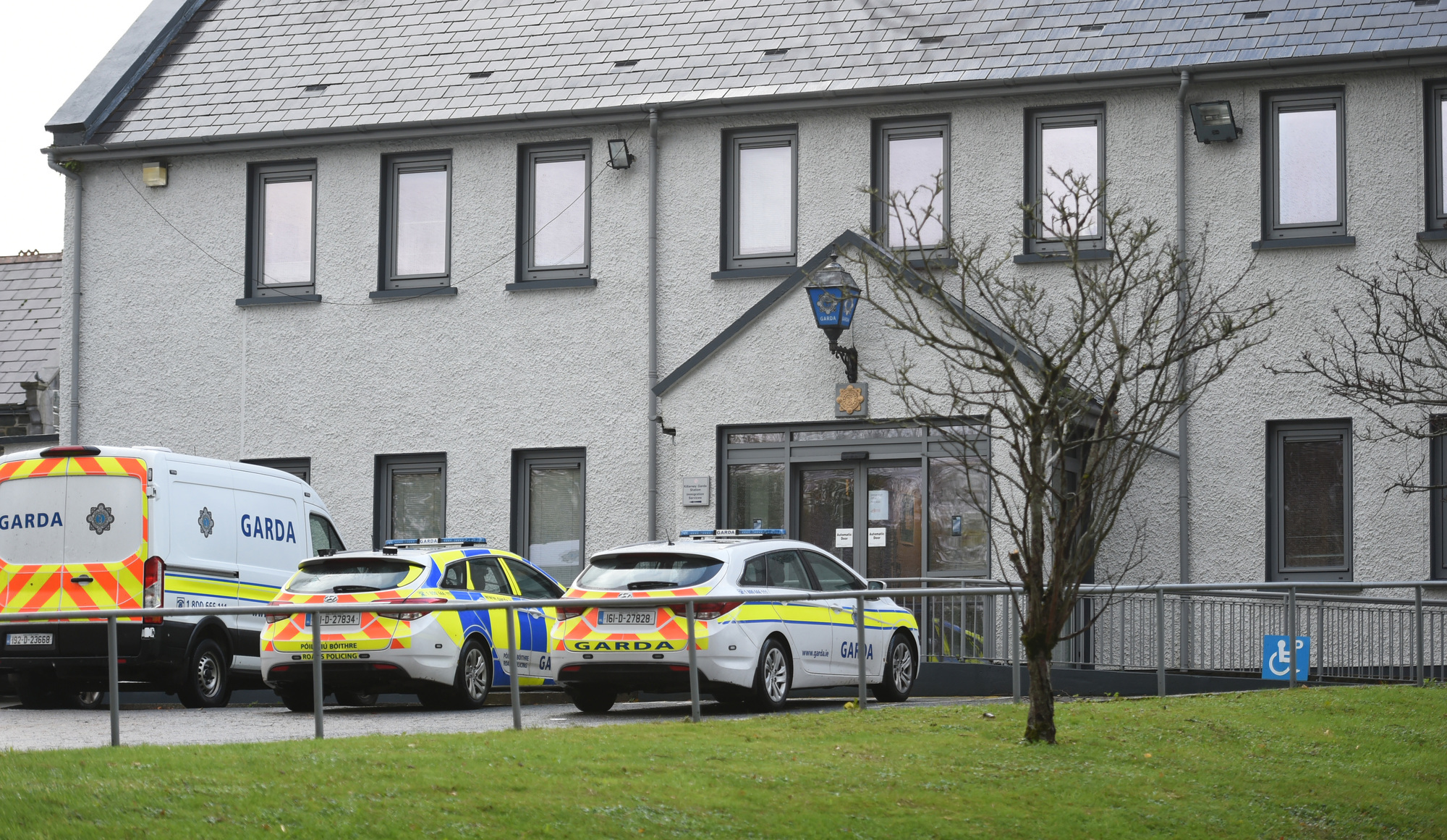
The higher-than-usual volume of 216 calls during the 72-minute failure was attributed to multiple “test calls” as well as calls from emergency services and other State agencies. File picture: Larry Cummins

A fallback automated system for answering 999 calls also failed during an outage of the emergency call service during the summer.

A major incident report into the Emergency Call Answering Service (Ecas) failure estimated it was likely about 120 actual emergency calls had been missed even though more than 200 were logged during the outage.

The higher-than-usual volume of 216 calls during the 72-minute failure was attributed to multiple “test calls” as well as calls from emergency services and other State agencies.

The report also said it seemed likely some callers would have tried to contact 999 via “multiple means” using different mobiles and landlines.

In follow-up correspondence, gardaí said they had been in the process of carrying out call backs with “limited success”.

They said through Pulse, they had already identified seven addresses and carried out welfare checks, with no issues identified.

However, in emails, they said there were still 34 callers that had yet to be spoken to and that the addresses should be shared with ambulance and fire brigade services so they could be checked more quickly.

GardaĂ­ also questioned why their IT department had not been immediately told about the outage, according to records released under FOI.

In an email, Inspector Michael McDonnell wrote: “As indicated, Garda ICT [Information Communications Technology] were not informed about the [outage] … and I believe it is important that Garda ICT are informed of any Ecas outages.” 

Major incident report

A copy of a major incident report submitted to the Department of Communications explained how at about 1am on June 28, call-handling operators were logged out of their systems.

A “fall-back” auto-attendant capability also failed to connect callers to the emergency services, according to the report.

It said: “The auto-attendant capability was designed to be used in the event of a total evacuation of Ecas centres providing for caller selection of the required emergency service without Ecas operator assistance.” 

However, the same issue that had logged operators out of their systems also caused it to fail.

The problem was quickly identified when it was found a certificate used to secure communications on their computer systems had expired.

The report said the system remained inoperable for an hour and 12 minutes, with 216 callers affected, of which an estimated 120 would normally be forwarded for emergency response.

It said while calls could not be answered, its computer system had recorded details of all calls received, meaning they could be followed up on.

The report added: “The higher-than-average number of callers (216 vs 114 average) is considered to be as a result of multiple test calls being made to the service by the Ecas and wider BT teams as well as members of the Emergency Service control rooms.

“It is also considered that some callers may have attempted to contact the service via multiple means (eg mobile, and then fixed line).” 

Among the recommendations from the report were for all missed calls to be followed up, and a new failsafe introduced whereby calls would dial out to a Garda number if something similar happened again.

'War-gaming exercises'

It said new checks needed to be introduced to ensure security certificates were up to date and that “war-gaming exercises” should be included in refresher training for staff.

Emails from the Department of Communications to BT, which operate the service, explained it was “very concerned” about what happened.

A message said: “You will appreciate that the department will be briefing the political system as a matter of urgency so a response … as soon as possible this morning will be required.” 

A spokesman for the Department of Communications said: “The department is working closely with the Emergency Call Answering Service (Ecas) to ensure the actions identified in the remedial plan are fully implemented.

“The agreed actions and enhancements will prevent a recurrence of a similar incident and ensure the continued ongoing availability of the service.”

More in this section

Lunchtime News

Newsletter

Keep up with stories of the day with our lunchtime news wrap and important breaking news alerts.

Cookie Policy Privacy Policy Brand Safety FAQ Help Contact Us Terms and Conditions

© Examiner Echo Group Limited