Thousands more homes to avail of increased fuel allowance in €400m budget spend
Thousands more homes to avail of increased fuel allowance in €400m budget spend

The 'qualification net' for the weekly fuel allowance is expected to increase significantly.

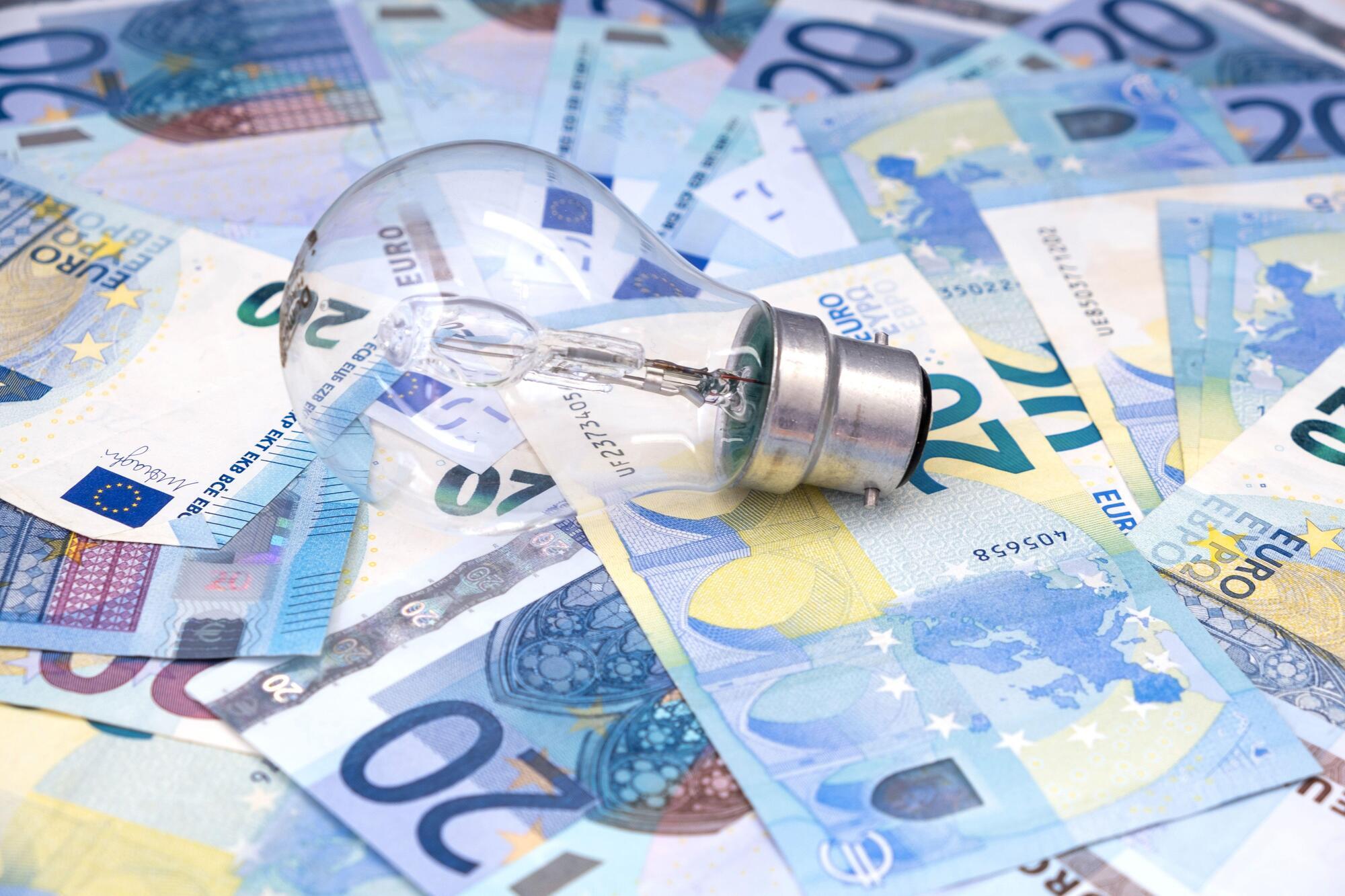
The Government is expected to increase the weekly fuel allowance rate and expand the eligibility criteria in this month's budget, which will see thousands more hard-pressed households avail of the payment.

Senior Government sources have signalled that the current weekly fuel allowance rate of €33 will increase by €4-€5, but have yet to decide if the rise will come into effect before Christmas.

The increase will likely be from January 2023, at a cost to the State of more than €400m.

Recipients will also receive a €100 lump sum in a one-off payment before Christmas to help with the cost-of-living crisis.

A senior source said: “There will be a number of strands to the fuel allowance payment, including increasing the weekly rate, probably from January, and a cost-of-living measure will see a one-off €100 payment before Christmas.”

People in receipt of a long-term social welfare payment and who struggle to meet their heating bills are able to avail of the fuel allowance, which usually runs from late September to April.

'Broad agreement'

The Irish Examiner understands there is also a “strong desire” in Government to expand the eligibility criteria to allow more people to receive the payment.

Currently, around 375,000 households across the country are in receipt of the allowance, but the “qualification net” is expected to increase significantly.

In Budget 2022, the Government increased the weekly means threshold for the fuel allowance scheme by €20.

This threshold is set to increase further under budget plans and sources have indicated that the rise is expected to be greater than €20.

It is understood there is “broad agreement” that more people should be entitled to the payment, as in many cases households that need the additional help only exceed the threshold by a small amount.

A source said: “There is a strong desire that more people would be brought into the qualification net, because if you do get it, it’s a valuable payment to get for 28 weeks.

The fuel allowance is an effective way of targeting households that are low-income, but also have substantial energy bills relative to their income.

“This is a targeted measure in the budget that will help ease the burden on people who are on low incomes but are experiencing significant challenges with inflation and the cost-of-living.”

Separately, it is understood that the monthly child-benefit rate of €140 is unlikely to increase in the budget.

But there will be a one-off double payment before Christmas included in the cost-of-living package.

Government sources have said “parents will benefit elsewhere” and will see assistance with the National Childcare Scheme (NSC) and childcare subsidies.

One of the key features of this month's budget will focus on reducing childcare costs for parents and improving affordability for families through the NCS.

The Irish Examiner recently revealed/url] that proposals from Children’s Minister Roderic O’Gorman to reduce childcare fees by 50% over the next two budgets have “been accepted” by Coalition partners.

Business supports

Meanwhile, Tanáiste Leo Varadkar said the Government is working on measures that will help small businesses such as retail and hospitality with their energy bills.

He also confirmed that Government-backed low-cost loans will be made available for businesses.

A grant scheme will be made available for businesses that are manufacturing or exporting and have seen a dip in their profits or turnover as a result of high energy bills.

Coalition leaders will meet on Monday night to discuss the budget, Mr Varadkar added.

Public Expenditure Minister Michael McGrath said not all resources will be used in the budget because Government recognises that high energy costs are going to continue for the months ahead.

He said the Government needs “firepower”, and the capacity to be able to respond to the crisis next year.

He also told RTÉ Radio 1's This Week programme that the EU’s proposals on a windfall tax for profitable energy companies will likely not be finalised before the budget.

More in this section

Lunchtime News

Newsletter

Keep up with stories of the day with our lunchtime news wrap and important breaking news alerts.

Cookie Policy Privacy Policy Brand Safety FAQ Help Contact Us Terms and Conditions

© Examiner Echo Group Limited