Slight increase in mothers initiating breastfeeding
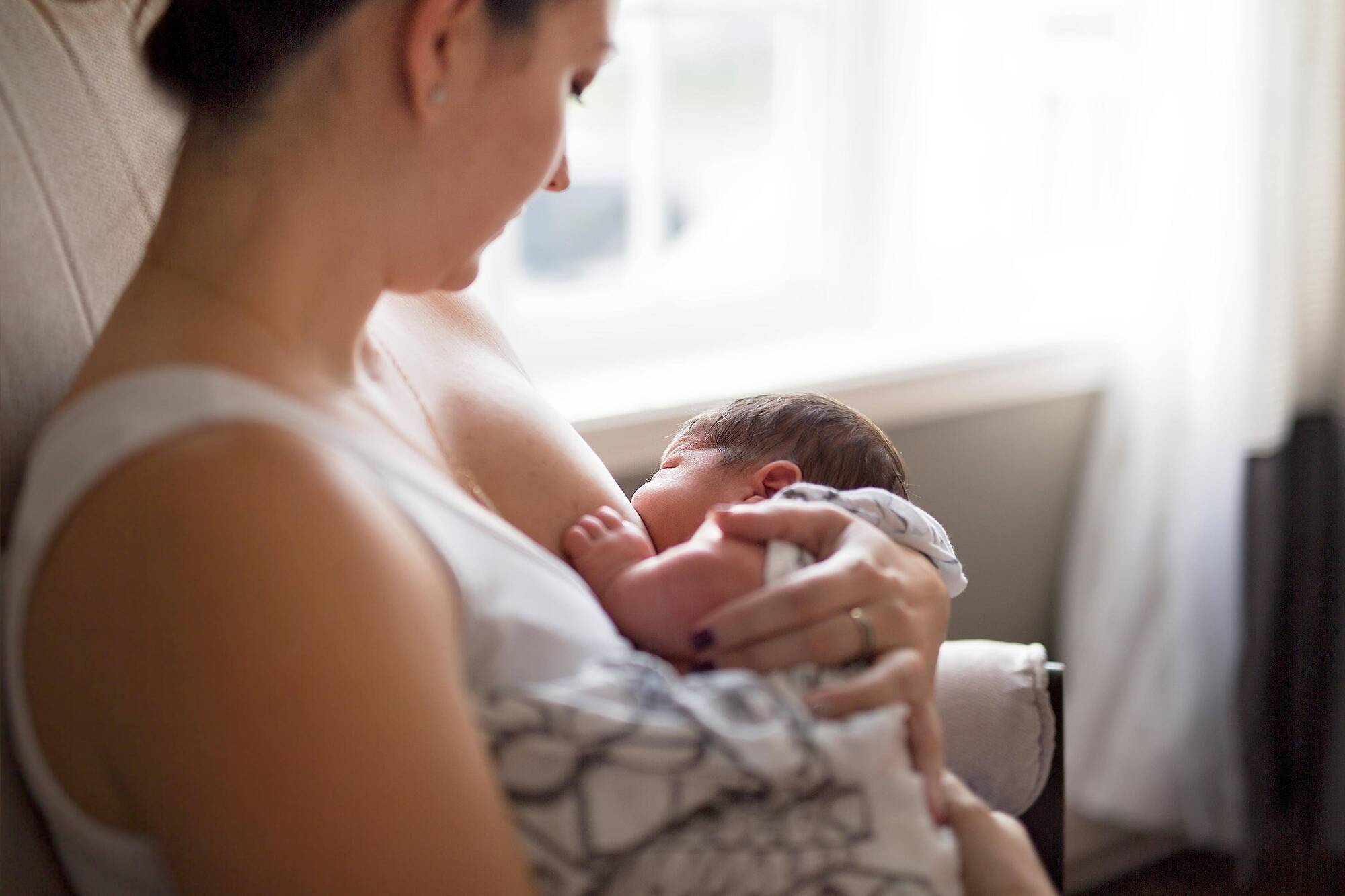
Unicef says Ireland has one of the lowest breastfeeding rates in the world. Picture: PA
Almost three-quarters of new mothers in the Rotunda Maternity Hospital in Dublin initiated breastfeeding last year, a 3% increase on the year before.
A lactation consultant, marking World Breastfeeding Week, has called for wider access through health insurance for breastfeeding supports and more training for healthcare workers.
Unicef says Ireland has one of the lowest breastfeeding rates in the world, with 60% of mothers reporting any breastfeeding at discharge from hospital, including combination feeding.
However, last year the Rotunda found 72% of patients initiated breastfeeding, and also found a 1% increase in breastfeeding exclusively on discharge and mixed feeding on discharge.
Clinical midwife specialist in lactation at the hospital, Geraldine Gordon, said: āIt is extremely positive to see an increase in breastfeeding initiation rates among our patient cohort in the past year.āĀ
She said 16 midwives have qualified as international board certified lactation consultants with 10 more in training. One such consultant, Caoimhe Whelan, who is in private practice at Irelandās only dedicated lactation support clinic (www.latch.ie), said outside of hospitals, cost can be a barrier for women seeking support.
āThere can be a reluctance to refer women, and often it is the cost that deters healthcare professionals from wanting to do that,ā she said.
āAll the main health insurers do cover a portion of the cost, but it doesnāt cover the whole of the visit. VHI are quite good, they cover 25%.ā Policies vary in what they cover, with some offering a set payment of ā¬25 to ā¬30 per visit, with the number of visits capped.
āCould government put pressure on the health insurers to increase the coverage they provide for international board certified lactationĀ
consultations?ā she asked.
She would also like to see more breastfeeding training offered to GPs and other health professionals working with mothers.
āIn general, in medical courses or any kind of healthcare professional degrees, there is very little teaching on breastfeeding and lactation,ā she said. āIt is getting better.āĀ
She pointed to University College Dublin where she teaches on a module on breastfeeding and lactation for healthcare workers.
āGPs are an important part of motherās antenatal and postnatal care so we need to prioritise breastfeeding and lactation education at third-level so people are equipped to support breastfeeding,ā she said.
Support is crucial, she said with women facing options of exclusive breastfeeding, combination feeding with formula or only formula while perhaps struggling with low milk production or lack of knowledge.
āI saw the World Health Organisation saying on Twitter you should breastfeed exclusively for two years and I just donāt think it is helpful to be telling women what they should do with their bodies,ā she said.
ā... or telling women how they should feed their babies. I just think there is a different conversation we should be having around breastfeeding in general. Iād be more inclined to say give it a go, any amount of breastfeeding is good and we need to support it.ā