Construction levies should pay for defective apartments, representative group says
Construction levies should pay for defective apartments, representative group says

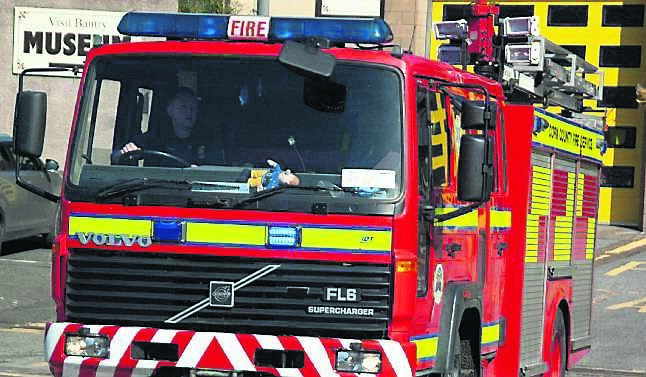
Fire safety is but one of the serious issues n 80% of homes built between 1991 and 2013, according to the minister's as-yet-unpublished report. File picture: Evan Doak

A 1% levy should be put on construction output to contribute towards the costs of fixing thousands of Celtic Tiger-era defective apartments, according to a group representing their owners. The call from the Construction Defects Alliance (CDA) comes ahead of the publication of a major report on the extent of the problem of defective apartments, carried out by an independent working group.

The report, commissioned by Housing Minister Darragh O’Brien, and due to be published shortly, found that fire safety, water ingress, and structural issues are present in 80% of apartments built between 1991 and 2013.

The CDA is advocating for the State and the construction sector to contribute towards remediation costs, which could require almost €3bn to fix defects.

“We’re advocating for a 1% levy on construction output,” said CDA spokesman Pat Montague. 

In 2022, that would bring in €350m, and in 2023, it would likely bring in close to €400m. Over a 10-year period, that would contribute hugely to both the bills for mica and apartment defects. 

The Government is looking at a similar levy on block makers for those affected by the mica crisis.

“We are looking at them to extend that levy across the sector,” said Mr Montague. 

“It is the construction sector that is largely responsible for this; poor workmanship, the lack of supervision, just downright poor-quality building. That is the responsibility of the construction sector.”

With up to 80% of apartments built between 1991 and 2013 thought to be defective, this is not about a “few bad apples”, Mr Montague said.

“This was a systemic problem right across the sector,” he said. “This isn’t just about once-off bad apples. All of these defects also represent significant breaches of the State’s own building regulations.

The State wasn’t properly supervising and enforcing its own building regulations. 

In the past number of months, the British government has got 38 of the largest building developers, including some Irish companies, to agree to remediate defects in any buildings they built themselves, he added.

They have also agreed to contribute to a building safety fund, worth £5bn, to pay for remediation of defects where a building company has gone bust.

Before it went into recess, Leo Varadkar told the Dáil that there would have to be State intervention.

The Tánaiste said he had seen the issue in his Dublin West constituency and that the “basic principle” was that the Government would assist.

“People have been sent bills, sometimes for €10,000 and sometimes for as much as €60,000 per apartment, to carry out necessary repairs,” he said.

“The inevitable happens; some people can afford to pay, some cannot afford to pay, and some people will not pay.”

It is understood that the key issue found in up to 70% of homes relates to fire safety.

More in this section

Lunchtime News

Newsletter

Keep up with stories of the day with our lunchtime news wrap and important breaking news alerts.

Cookie Policy Privacy Policy Brand Safety FAQ Help Contact Us Terms and Conditions

© Examiner Echo Group Limited