EU warns Ireland to make legal costs cheaper, and reform how judges are appointed
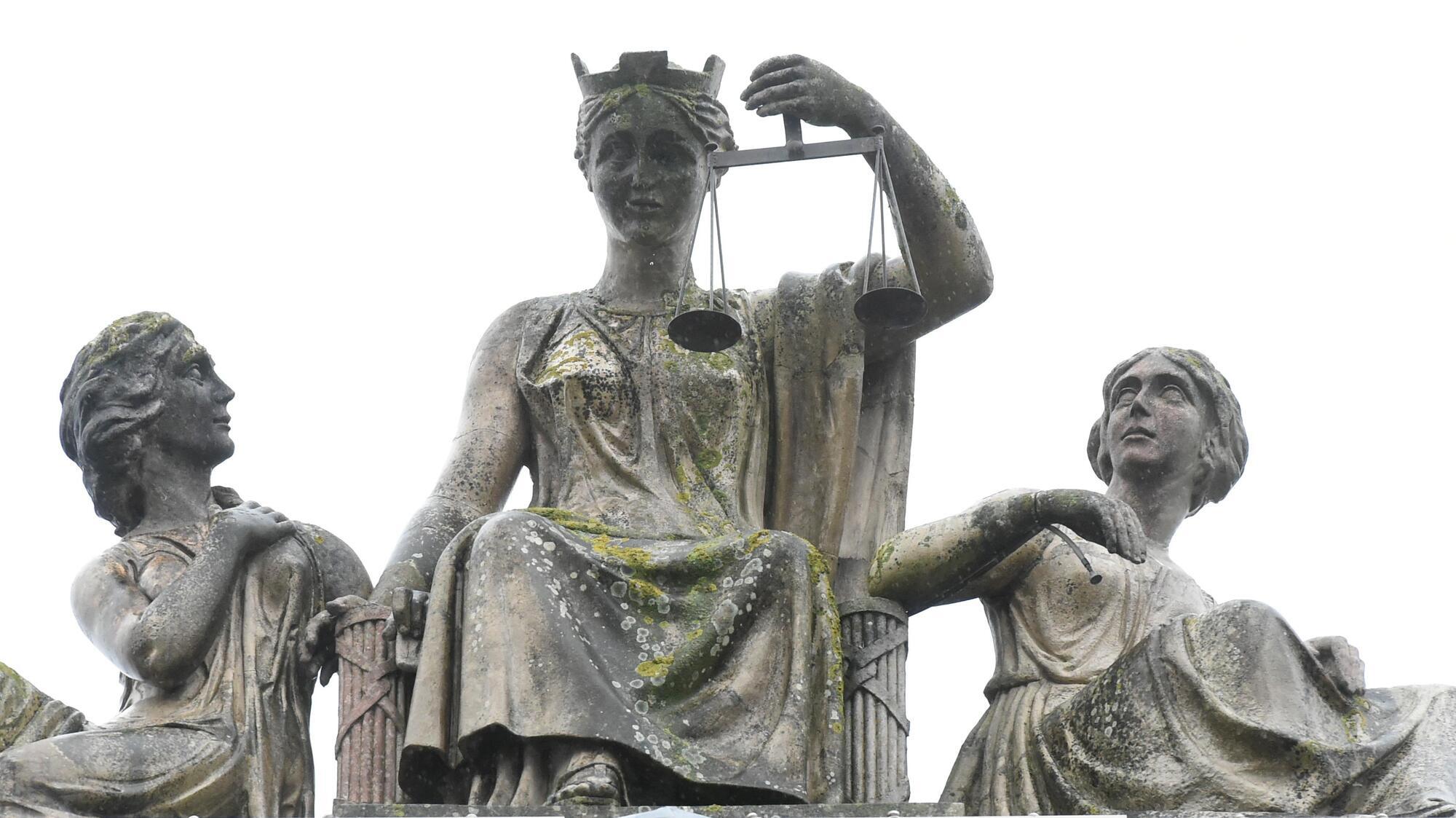
The Eu report recommends that Ireland 'ensure that the reform of the appointment and promotion of judges ... is taking into account European standards on judicial appointments'. Picture: Larry Cummins
Ireland must strengthen its public-life ethics rules, change proposed laws around how judges are appointed, and make legal costs more affordable, the EU has said.
The European Commission's third annual report, which was published on Wednesday, takes particular aim at the Judicial Appointments Bill, which is currently making its way through the Seanad.
The Ireland chapter of the report says that the bill "raises concerns" because the proposed Judicial Appointments Commission would not have a majority of judges on it. The commission is proposed to replace the Judicial Appointments Advisory Board (JAAB).
It recommends that Ireland: "Ensure that the reform of the appointment and promotion of judges, as regards the composition of the Judicial Appointment Commission, is taking into account European standards on judicial appointments. It is important that the final reform approved in parliament guarantees judicial independence, in line with EU law, and taking into account European standards."
The report goes on to say that the Government’s plan to review the national anti-corruption structure and strategy is "progressing slowly".
It adds that while there is "a comprehensive criminal legal framework addressing corruption and bribery", further reforms could strengthen the fight against corruption. It says that key aspects of the review by the former Director of Public Prosecutions published in 2020 remain to be enacted.
The EU's report goes on to point out that the Standards in Public Office Commission (Sipo) has no enforcement powers in many areas.
The report recommends that the country should: "Strengthen the existing ethics framework, including on codes of conduct, asset declarations, revolving doors and lobbying, and in particular as regards the monitoring and enforcement capacity of the Standards in Public Office Commission."
On legal costs, it says that Ireland should: "Continue actions aimed at reducing litigation costs to ensure effective access to justice, taking into account European standards on disproportionate costs of litigation and their impact on access to courts.
"The lack of predictability of costs is particularly problematic for victimless claims, such as environmental claims, where litigants are not aiming to gain an economic benefit from their legal action, but act in the public interest."

CONNECT WITH US TODAY



Be the first to know the latest news and updates