No return to mandatory mask-wearing, says Leo Varadkar
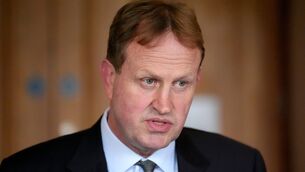
The Tánaiste said: "The current advice from the Chief Medical Officer is that we don't need to extend the mask mandate that we continue to encourage in healthcare settings and obviously on public transport."
A return to mandatory mask-wearing is not considered necessary at this time, despite the summer wave of Covid-19, Tánaiste Leo Varadkar has said.
The remarks come as senior HSE officials have raised concern about the number of Covid-19 cases, with HSE chief Paul Reid and Dr Colm Henry, HSE chief clinical officer, raising the possibility of a return to mandatory mask-wearing on public transport.
Speaking at Dublin Castle, Mr Varadkar said as always, the situation will be guided by public health advice.
“I think we will get over this summer wave without the need to impose any new restrictions. But obviously, we'll be guided by public health advice in that regard,” he said.
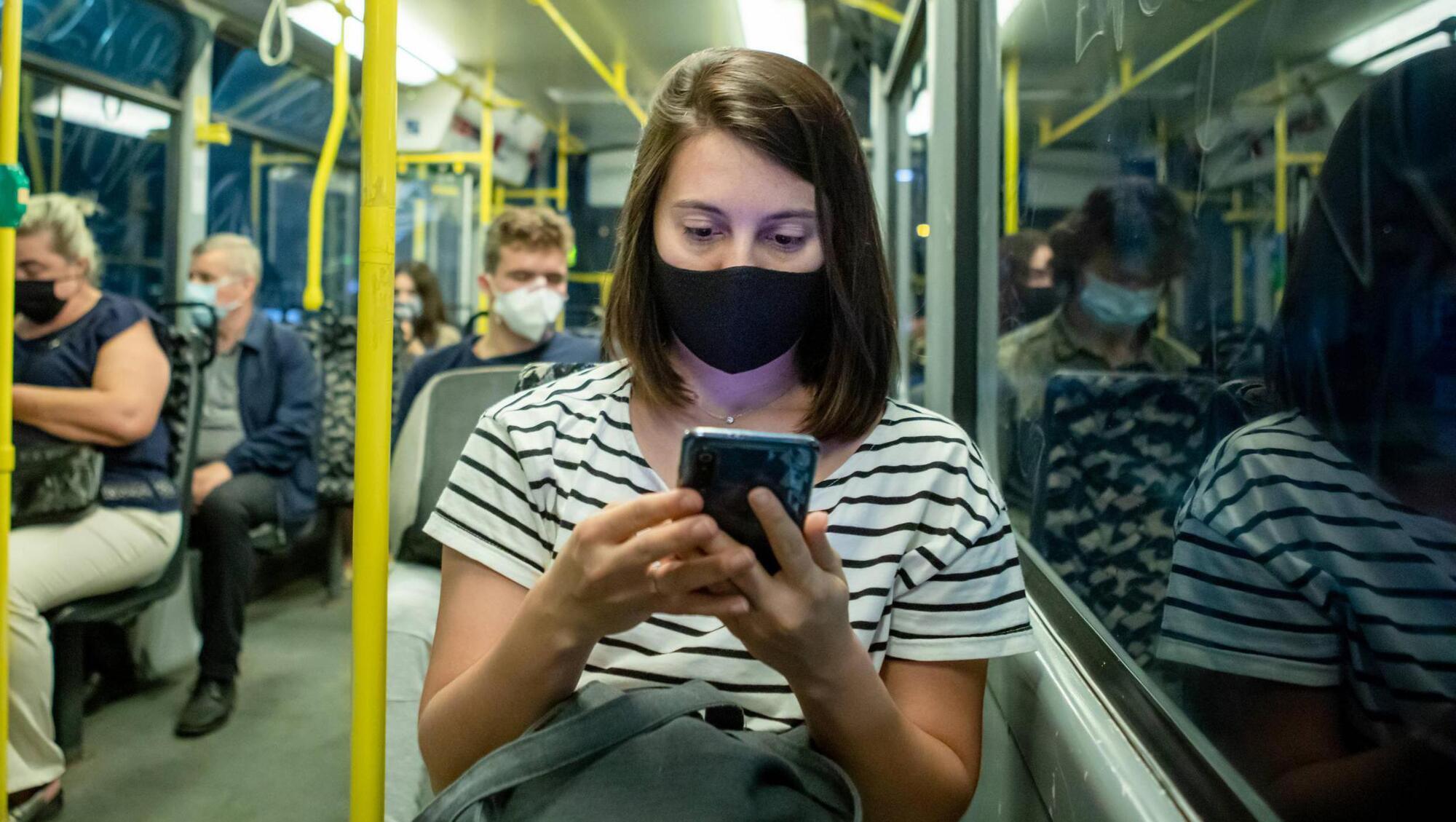
“The current advice from the Chief Medical Officer is that we don't need to extend the mask mandate that we continue to encourage in healthcare settings and obviously on public transport as well, but not that it would be legally mandatory.
"We are seeing a summer wave of infections, you know, over 600 people in hospital today are positive for Covid. But half of them would be in hospital anyway. But nonetheless, it is an increase."
Dr Henry acknowledged the HSE is “very concerned” about the rise in cases, which is largely driven by the Omicron sub-variants BA.4 and BA.5, which account for 70% of all cases. However, the number of cases in ICU had remained steady, which is reassuring, he said when speaking on RTÉ radio.
As of Monday morning, there were 606 patients in hospital with the virus, up from 574 on Sunday. There were 23 Covid-positive patients in ICU, the same figure as Sunday.
In the last seven days, 34,690 PCR tests were completed, returning a positivity rate of 30.5%. The positivity rate has been steadily increasing over the past number of days.
Dr Henry predicted numbers will begin to decline in a few weeks, similar to what has happened in Portugal.
CONNECT WITH US TODAY



Be the first to know the latest news and updates