Surge in calls to Women's Aid disclosing physical and sexual attacks
Surge in calls to Women's Aid disclosing physical and sexual attacks

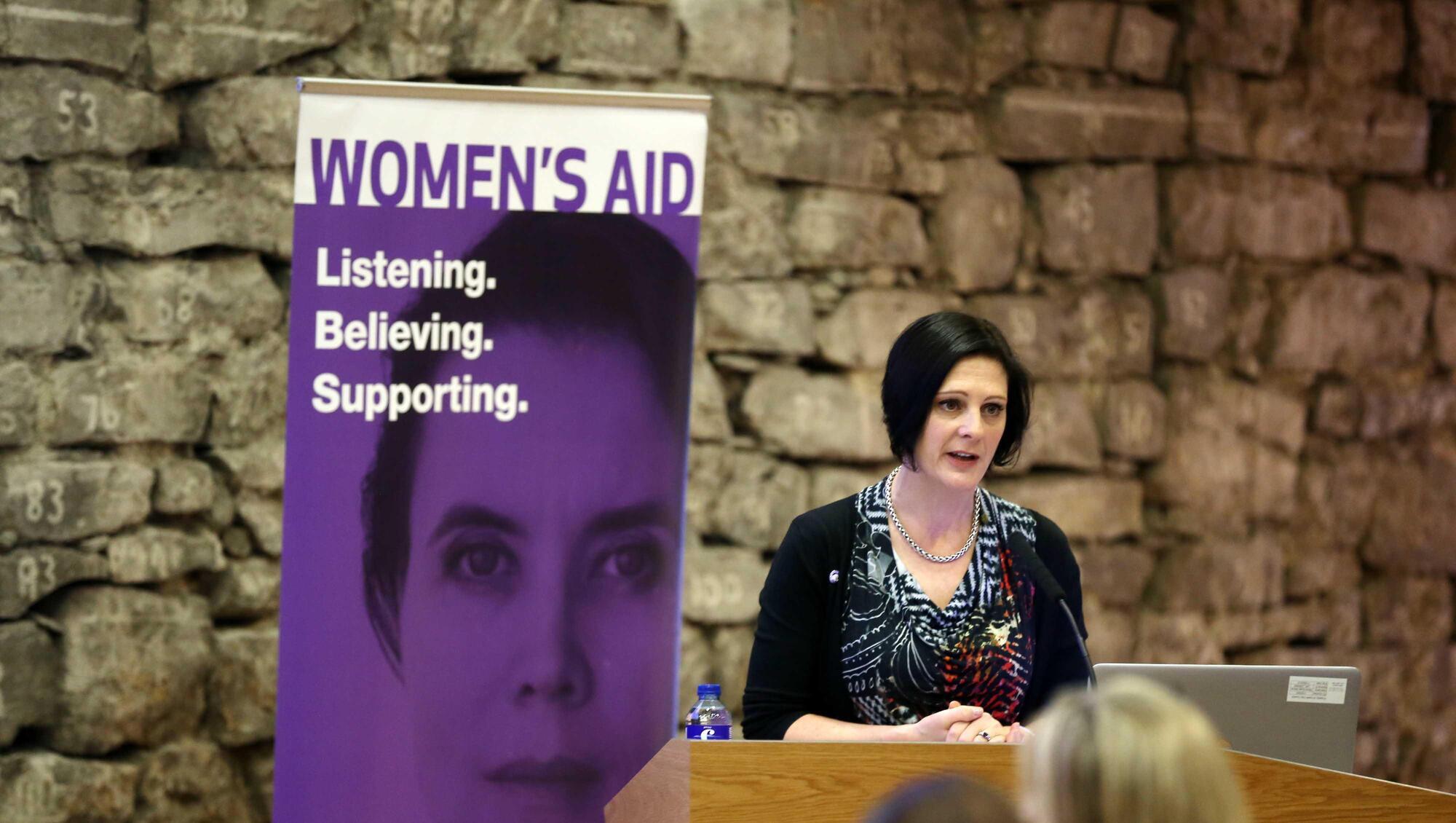
CEO of Women's Aid Sarah Benson said there was an increase in the disclosure of almost every kind of abuse last year. Picture: Sam Boal/Rollingnews.ie

Women's Aid has reported a surge in the number of disclosures to it of pronounced physical or sexual attack.

The organisation said more needs to be done to improve how courts deal with those cases and to cut the risk of survivors becoming homeless.

Women's Aid said it received 26,906 contacts last year, down slightly on the figure in 2020, but still 30% more than in 2019 and the second-highest number ever.

Callers to its 24-hour national freephone helpline stayed on the line for longer, with 3,863 hours of direct support provided – an overall annual increase of 8%. There were also more calls received during the nighttime and early hours of the morning.

Sarah Benson, Women’s Aid chief executive, said disclosures relating to almost every category of abuse increased last year, including sexual assault, rape, the taking and sharing of intimate images online, physical attacks, and coercive control. 

She said 80% of those making contact were first-time callers who used Women's Aid as a "gateway service" to get help.

According to the annual report, 33,831 disclosures of abuse against women and children were made including 28,096 disclosures of domestic violence including coercive control against women – 19,902 involving emotional abuse; 4,707 relating to physical abuse; 1,104 economic abuse; and 2,383 sexual abuse, including 411 disclosures of rape.

There were also 5,735 disclosures of child abuse in the context of domestic violence. In 57% of cases, the perpetrator was a current partner, while in another 25% of cases the ex-partner was responsible.

"We had more disclosures than ever before this year in terms of all forms of abuse," Sarah Benson said. 

"However, it is really important to say that is the picture of domestic abuse we have been working on for 50 years. 

We hear those impacts every year."

Those impacts include miscarriages, mental health difficulties and an increased risk of falling into homelessness, something Women's Aid fears could become exacerbated amid the current housing crisis and which, Ms Benson said, should be directly referenced in the government's Housing for All strategy.

Ms Benson said: "Physical and sexual abuse is very distressing but the protracted, persistent coercive control, and to use that to abuse, that really, really wears women down and that is the thing that takes years to recover from.

"One thing we would always say is those who reach out and who are subjected to this abuse, it is still only a minority who will reach out to a specialist service."

She said the courts need to be more aware of the impact of coercive control, including on the children in a family, and that more judges are needed to deal with cases.

Women's Aid said the pandemic has impacted on those making contact with its services, with a greater risk of isolation, and a lack of interaction with family and friends. The third National Domestic Sexual and Gender Based Violence Strategy is likely to be published soon and Ms Benson said while positive measures are being taken to address domestic violence, the courts are "heaving" and every service dealing with domestic abuse has been under severe pressure.

Ailbhe Smyth, Chair of Women’s Aid, called on more men to become allies in creating zero tolerance of all forms of violence women, including domestic abuse, saying "now is the time to be brave and ambitious".

Women's Aid said 4% of contacts to its helpline last year were men.

More in this section

Lunchtime News

Newsletter

Keep up with stories of the day with our lunchtime news wrap and important breaking news alerts.

Cookie Policy Privacy Policy Brand Safety FAQ Help Contact Us Terms and Conditions

© Examiner Echo Group Limited