‘Very lengthy planning delays’ for wind farms ‘single biggest factor’ in achieving climate goals
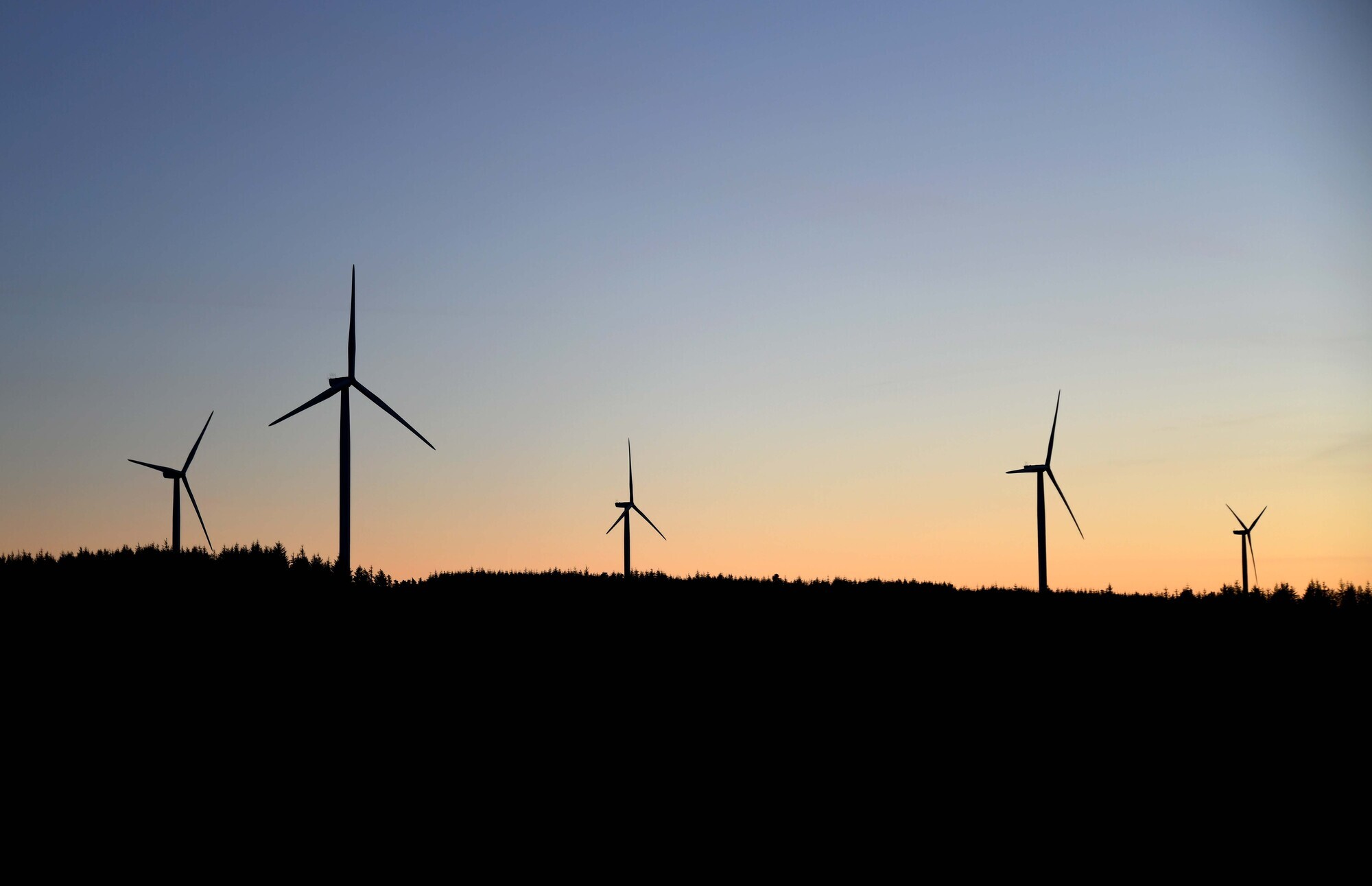
'Our planning system must be urgently reformed and properly resourced to ensure that the renewable energy projects needed to cut our carbon emissions and drive down electricity bills can get built as quickly as possible.' Picture: Denis Minihane.
“Very lengthy delays” in the planning system are “probably the single biggest factor” in deciding whether Ireland hits its climate targets, a representative body for the Irish wind industry has claimed.
An Bord Pleanála routinely forgoes its statutory obligation to decide on applications for wind energy projects within 18 weeks, according to Wind Energy Ireland (WEI), instead taking 50-60 weeks on average to make a decision.
The comments come as it emerged wind energy accounted for one-third of electricity generated in Ireland last month. There are now more than 300 wind farms in the State.
“Our planning system must be urgently reformed and properly resourced to ensure that the renewable energy projects needed to cut our carbon emissions and drive down electricity bills can get built as quickly as possible,” said Noel Cunniffe, chief executive of WEI.
Ireland has committed to a legally binding target of net-zero greenhouse gas emissions no later than 2050, and a reduction of 51% by 2030.
Justin Moran, spokesman for Wind Energy Ireland, said he expected to see a large number of offshore wind farms being applied for next year which will “greatly exacerbate” the planning delays plaguing the system at the moment.
“If we can’t get them through the planning system, we can’t build them,” said Mr Moran. “And if we can’t build them, we can’t connect them to the electricity grid. If we can’t do that, we can’t decarbonise.”
Planning will also be needed for solar farms and grid reinforcements which will “enable the grid to be strengthened to take all of this [energy]”.
This May was the strongest on record for wind energy in Ireland, an increase of 9% on the previous year. Wind generation has provided an “enormous amount of clean energy” this year, amounting to 37% of Ireland’s electricity over the first five months of the year, according to WEI.
“We expect to see new wind farms connected before the end of 2022,” said Mr Cunniffe.
Mr Cunniffe said the increase in usage this year would help to “insulate Irish consumers from our dependence on expensive imported gas”.
Although prices on the wholesale electricity market fell significantly to an average of €143.27, it is understood this was due to a combination of an oversupply of gas in the UK, lower-than-expected demand and better renewable energy performance.
Wind generation fluctuated greatly this spring, from 53% during a gusty February to 33% throughout a more settled March. To compensate for the difference, gas and coal usage rose as wind energy depleted.
The record for the most wind energy generated in the Republic was set on February 12 this year, with almost 4,500 MW generated. The Maritime Area Planning Act 2021 was passed last year to underpin the offshore wind farm planning system.
“Half a dozen projects on the east coast and one on the west coast are applying for maritime area consent, basically a lease for the seabed. It doesn’t grant planning permission, but it’s what you need before you can apply,” Mr Moran said.
He expects once this process moves forward, there will be several planning applications early next year which will require significant resources to examine at An Bord Pleanála. The contacted An Bord Pleanála for comment, but a response was not received by time of publishing.
CLIMATE & SUSTAINABILITY HUB
CONNECT WITH US TODAY



Be the first to know the latest news and updates