Trinity students and staff say reforms 'threaten autonomy and status'
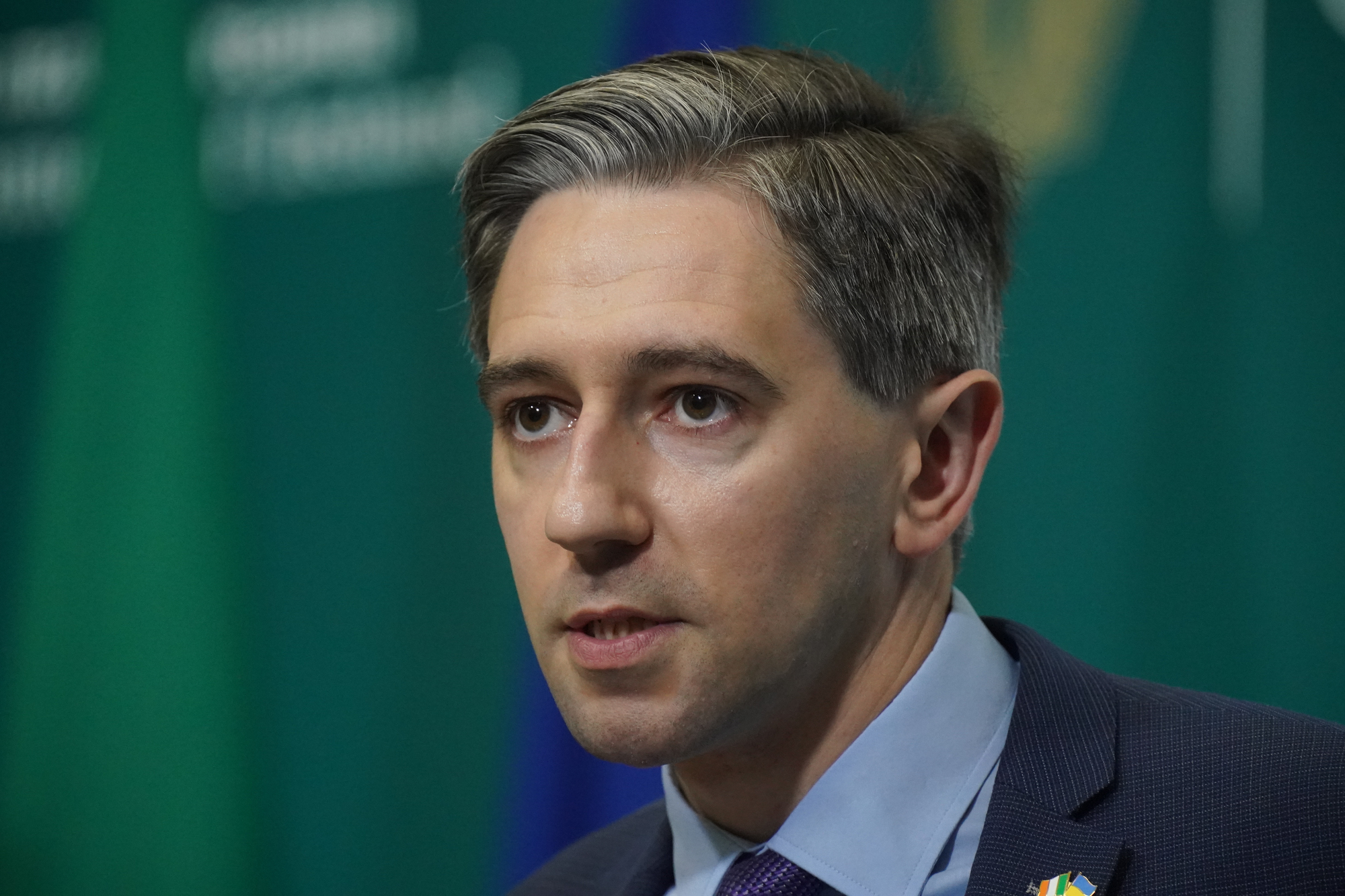
Minister for Higher Education Simon Harris speaking to the media at the Government Buildings in Dublin. Mr Harris said the announcement of a new funding plan is a landmark moment for staff and students that will reverse the long-term decline of Irish universities in world rankings. Picture date: Wednesday May 4, 2022.
Trinity College Dublin (TCD) students and academics are opposing reforms to the third-level sector, which they say threaten their autonomy and status.
A new bill from Higher Education Minister Simon Harris, which is working its way through the Oireachtas, represents the greatest overhaul of how colleges are governed since 1971.
The primary purpose of the Higher Education Bill is to revise the functions and governance of the Higher Education Authority (HEA), and to reform its oversight of higher education institutions in Ireland, which includes seven universities, five technological universities, and two institutes of technology.
The most significant changes proposed by the bill are to the funding and internal governing authorities of higher education institutions.
Critics of the bill, including pro-chancellor of Trinity College Dublin and former senator Sean Barrett, say TCD is a royal charter corporation and a vital part of the diversity of traditions and identities on the island of Ireland. It has a record of outstanding service over 430 years.
Acknowledgment of the diversity of identities and traditions on the island of Ireland was included in the revised Article 3 of the Constitution by referendum in both jurisdictions following the Belfast Agreement in 1998, Mr Barrett said.
“In reciprocation for the Irish language policy change in the UK, the Republic should drop its opposition to the autonomy of Trinity College Dublin. Moving the north-south and east-west dimensions of the Belfast Agreement onto new levels of harmony is a worthy goal on all sides,” he added.
In response, Mr Harris said the Government’s position is clear that it is not good governance that the Provost of the University can occupy both the CEO and chairman of the board role in the college.
“The Government position on this is clear. We don't think it's good governance and in fact, it's not good governance, to have the idea that effectively the chief executive of the university can also be the chair of the board. That is the case here in Trinity. And it's got to change and it's got to change by law,” he said.
Students in Trinity have voiced concern that their representation is being reduced under Mr Harris’ plan from four positions to two, in line with other universities.
Mr Harris said the actual proportion of student representation on the new government authorities will increase as a percentage overall.
A spokesman for Trinity College Dublin told the : “The college is currently engaged in a consultation process with staff and students about Trinity-related aspects of the HEA legislation.
“The outcome of the consultation process will be brought to the next board meeting."
Trinity College has sought to oppose any threat to its autonomy by government proposals.
Amid talks of government changes to higher education in 2021, the College sent a submission to Government requesting that Trinity be excluded from government reforms and be allowed to implement its own board reforms which would not undermine its long-standing independence as a higher education institution.
Neville Cox, the College Registrar, explained that while “perhaps substantively there’s not a great deal on the line” in the context of the changes this Bill makes to the charter, it is important that a precedent is not set which may allow Government to make more invasive changes to the College’s charter in the future".
Mr Cox has termed this “first mover status”, explaining that it is important that Trinity is ahead of Government in enacting changes.
CONNECT WITH US TODAY



Be the first to know the latest news and updates