Government plans to amend public works contracts to tackle soaring construction costs
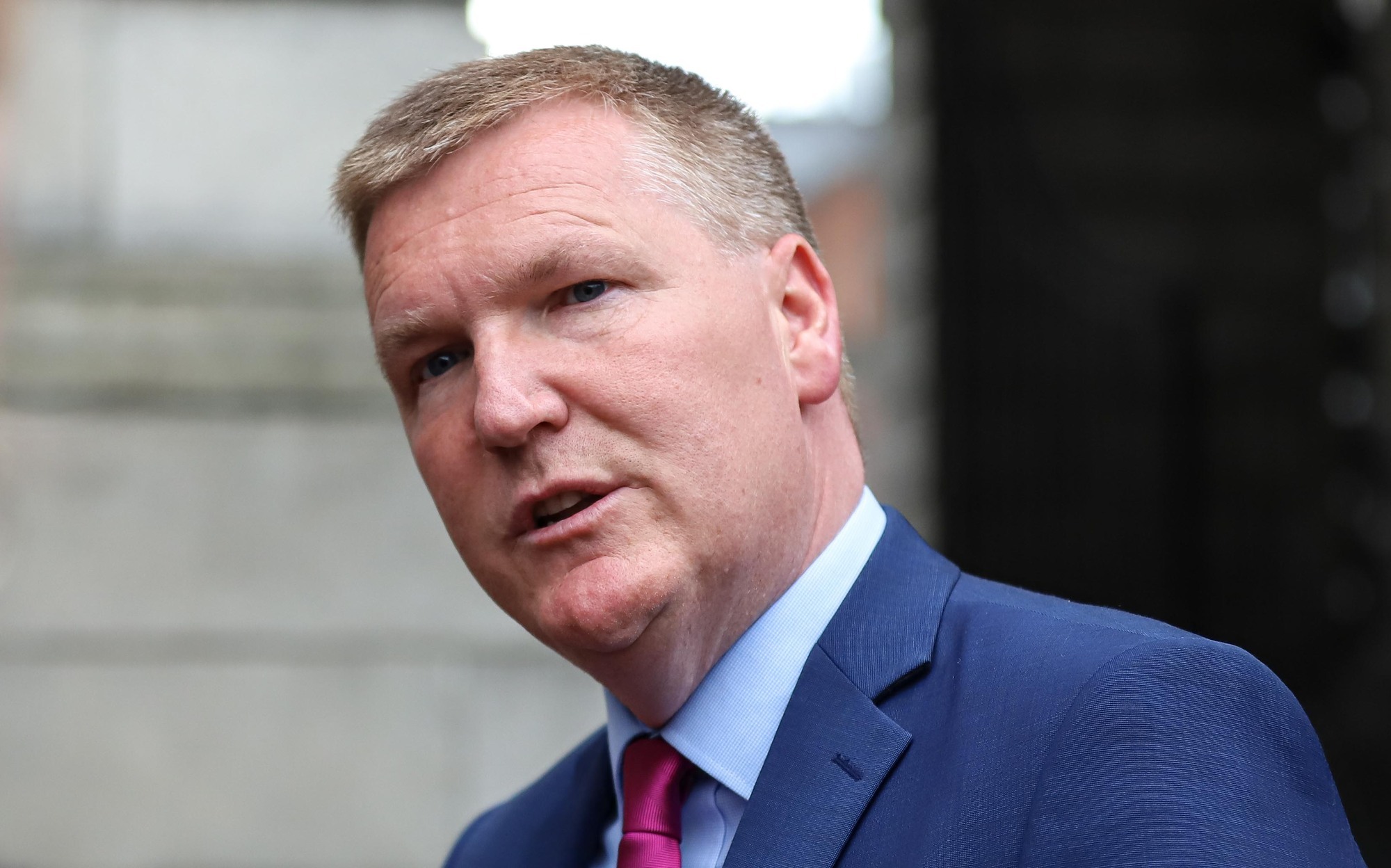
Public Expenditure and Reform Minister Michael McGrath. Picture: Damien Storan
Michael McGrath, the public expenditure minister, is finalising significant changes to public works contracts to provide some relief from soaring construction inflation.
It is understood Mr McGrath and officials in his department are at an advanced stage of plans that could allow for the renegotiation of existing contracts awarded on a fixed-price basis.
While some interim amendments were already introduced this year to allow contractors to claw back money on projects that have not yet started, Mr McGrath is now looking at measures to help contractors involved in major developments that are mid-way through or nearing completion. These projects would have been priced up when materials and labour were significantly cheaper but companies are locked into these prices due to the nature of public contracts.
There is uncertainty for infrastructure projects and other major publicly funded developments, with Transport Infrastructure Ireland (TII) recently warning of “significant and systemic threats” to some road projects.
TII said inflation was having a huge impact on the delivery of major projects and the structure of State contracts meant contractors in Ireland adopted more risk than in similar projects in other countries.
This has been echoed by the Construction Industry Federation, which has demanded reform of how contracts are awarded for major projects as the cost of materials soar.
Independent TD Seán Canney has called on the Government to take immediate action to amend contracts by inserting a price variation clause that would facilitate the recovery of legitimate cost overruns in existing contracts, contracts yet to be signed, and those out for tender.
With construction price inflation now running at over 13%, Mr Canney said the net effect was that “contractors will go out of business, workers will lose their jobs, and the delivery of housing and other vital infrastructure will stop or be seriously delayed”.
He said medium-term action was also required to put in place a new public works contract in line with EU standards.
At a recent Oireachtas committee hearing, TII chief executive Peter Walsh revealed that, where some projects would have had nine contractors bidding at the tender process back in 2017, that could be down to two or three now.
Construction Industry Federation director general Tom Parlon told the same committee that unless the process was reformed it “will have major implications for the delivery of construction projects for the foreseeable future”.
He said that, with the current inflation, “you’re going to get less bang for your buck” and that projects would inevitably cost more.
The public works contracts system, which is based on a fixed-price agreement, has been in place since 2007.
It is understood Mr McGrath is now examining an element of “price variation” to allow contractors to recoup some money when project costs escalate.
The measures, which were announced late last year and are being introduced to ease inflation-related pressures for those entering new contracts, allow for cost recovery when inflation goes above 15%.
However, changes in relation to live contracts would be more complex, as projects are at various stages of completion and any measures to support contractors will have to be weighed up against achieving the best value for money for the taxpayer.
While Mr McGrath was hoping to bring the measures to Cabinet this week, the complex nature of such interventions may delay it for a week.

CONNECT WITH US TODAY



Be the first to know the latest news and updates