Air pollution: Agriculture 'must pick up pace in reducing ammonia'
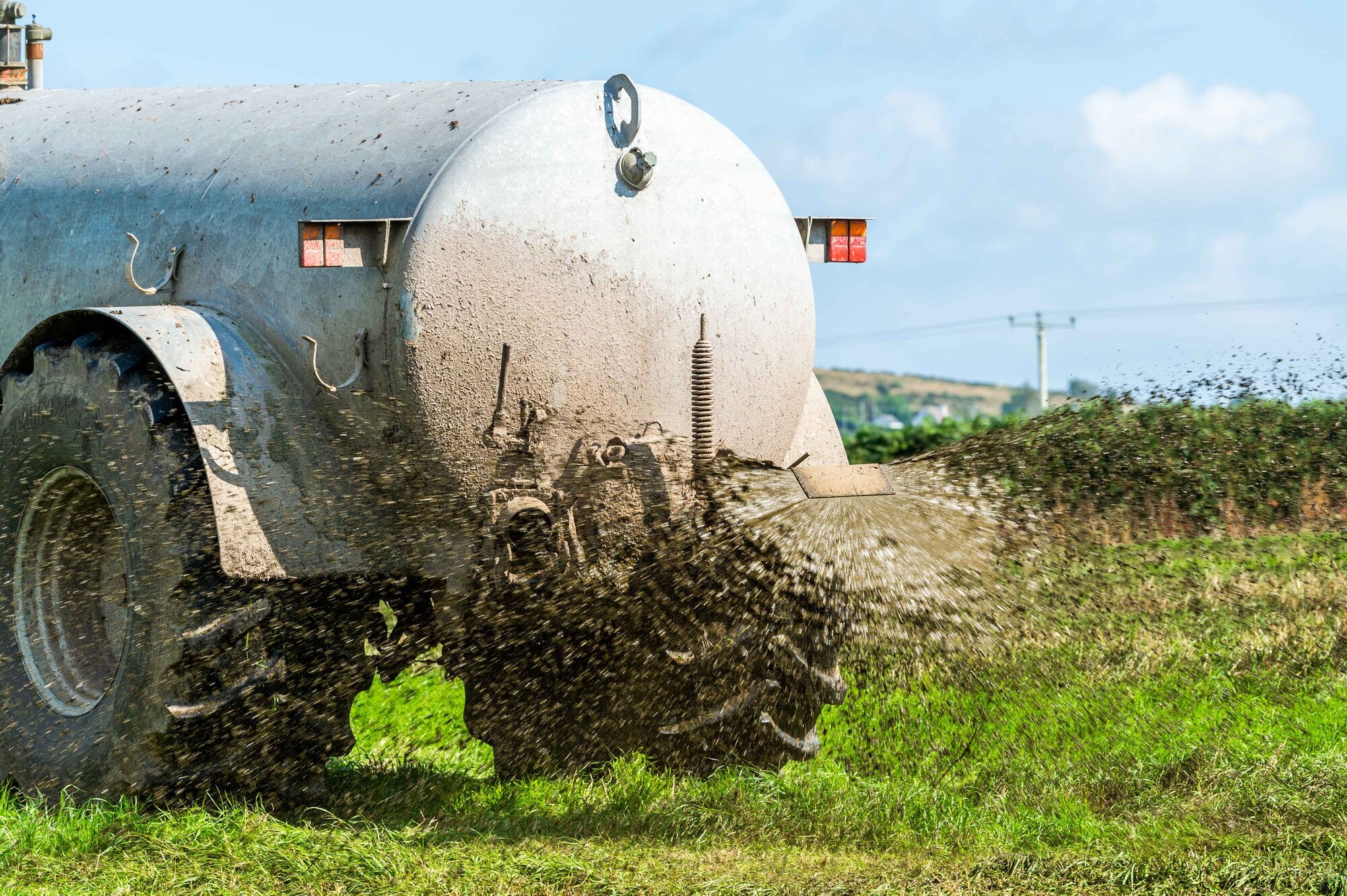
The EPA said the failure to meet targets was driven by emissions from manure and fertiliser use in the agriculture sector. File picture: Andy Gibson
Ireland has largely stayed within the required margins of reducing emissions from harmful particles that pollute the air, but agriculture needs to pick up the pace when it comes to reducing ammonia.
That is according to the Environmental Protection Agency (EPA) report on Ireland's air pollutant emissions, which found that while the country is compliant with 2020 EU emission reduction commitments for nitrogen oxides and fine particulate matter, it again fell short of ammonia emissions targets.
Ammonia is a common chemical used in industry and agriculture, and exists in people and the environment. It is mostly used in agriculture as fertiliser, as well as refridgeration, water purifying, and manufacturing.
However, ammonia exposure in higher doses can burn the airways in the immediate term, while also causing a range of respiratory ailments.
The EPA said in its report: "Ireland exceeded its emission reduction commitment for ammonia in 2020, continuing a trend of non-compliance with emission reduction targets."
The body said the failure was driven by emissions from manure and fertiliser use in the agriculture sector.
"Ireland can achieve compliance with the 2030 emissions reduction commitment for ammonia through full implementation of planned ammonia reduction measures, such as low emissions slurry spreading and use of inhibited urea fertiliser products," the EPA added.
Ammonia emissions have now been non-compliant for eight of the past nine years, the data show — however, increased use of abatement technologies has led to a reduction in such emissions, the EPA said.
"Low emissions spreading techniques were used to apply approximately 36% of cattle slurries in 2020, a greater percentage than had been projected, which avoided over 5,600 tonnes of ammonia emissions.
"A 62% increase in the uptake of protected urea fertiliser also saved over 500 tonnes of ammonia emissions, though usage remains low compared to other fertiliser types," it said.
Emissions of nitrogen oxides (NOx) decreased by 6% in 2020, with transport NOx emissions decreasing by almost 16%, a reflection of Covid-19 restrictions as well as improvements in vehicle technology, the report showed.
NOx is a highly-pollutant emission that is produced by cars, buses, trucks, and other vehicles, and is the main driver of health issues such as breathing problems, reduced lung function, eye irritation, and even tooth corrosion.
Despite 7% lower fine particulate matter (PM2.5), emissions from the transport sector, overall PM2.5 emissions increased in 2020 due to higher emissions from home heating, the EPA said.
Particulate matter is said to be all solid and liquid particles suspended in air, such as dust, pollen, soot, smoke, and liquid droplets.
Poor air quality causes about 1,400 needlessly premature deaths in Ireland through conditions such as respiratory problems, data show.
The EPA said health implication from NOx and PM2.5 emissions remain, particularly in urban environments. Despite compliance with emissions reduction targets, "particulate matter levels recorded at EPA ambient air quality monitoring stations in 2020 continued to be a concern in villages, towns and cities", the body said.
CLIMATE & SUSTAINABILITY HUB
CONNECT WITH US TODAY



Be the first to know the latest news and updates