'My last electricity bill was €300 ... I'm dreading the next one'
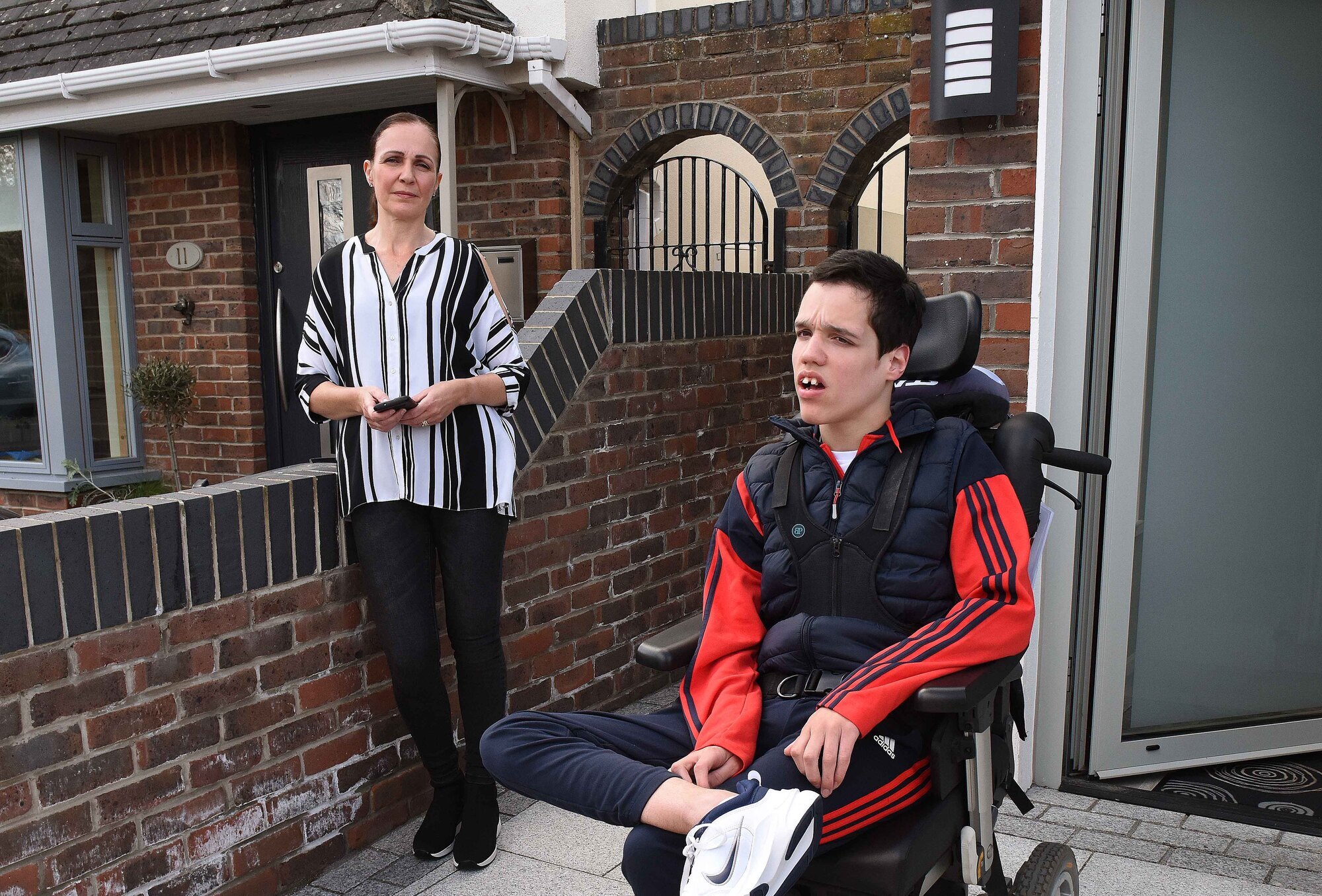
Rising costs to provide Daniel, 15, with the care he needs will have a significant negative impact on his mother Sinead Tighe's ability to make ends meet. Picture: Moya Nolan
"My last one was €300 and I nearly died. I'm dreading the next one."
Sinead Tighe is talking about her last electricity bill, and while we all love to complain about the cost of living, the hyperbole is becoming increasingly warranted.
We are in the midst of an energy crisis that is driving the cost of running a household ever higher. For Sinead, carer for her teenage son Daniel, this simply adds to already onerous costs of care arising from disability.
Sinead, from Tallaght, is a mother of two. Daniel, now aged 15, has a rare genetic condition called Sotos syndrome. He is non-verbal and doubly incontinent, and the associated costs of caring for him are split by Sinead into two categories: one is effectively capital costs, and the other the day-to-day. It all adds up.
She says that when Daniel turned 11, it meant a change in her long-term view of what was required to care for him into the future.
That meant an extraordinary outlay totalling well over €200,000, more than half of which was achieved through fundraising, taking in a sponsored shave, quiz nights, bake sales, and running a marathon while pushing Daniel in his wheelchair.
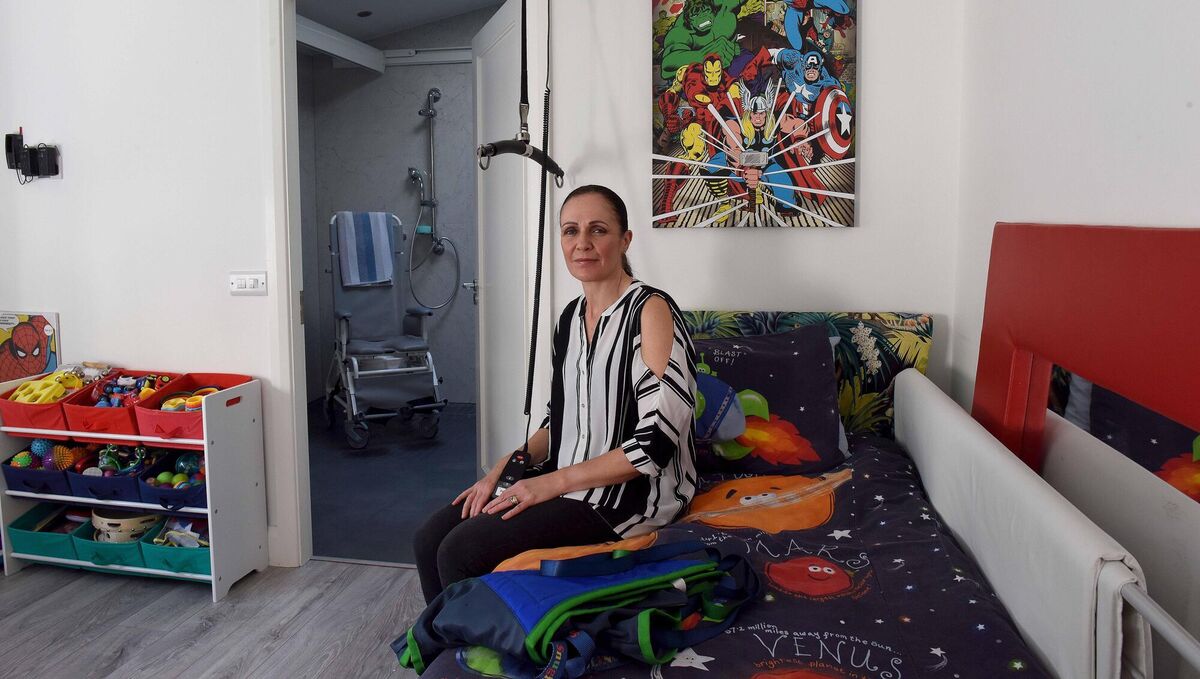
The family was able to qualify for the full means-tested home adaptation grant of €30,000, but the costs kept coming: a new car which also needed to be specially tailored for Daniel and which now — because he has grown again — needs to be replaced; the hoist in his bedroom; the shower downstairs and the shower chair.
But then there are all the other bills, including a sizeable spend on clothing, and now the rising cost of energy.
"Take the hoist," Sinead says. "That has to be plugged in. I can't plug that out, that has to be on."
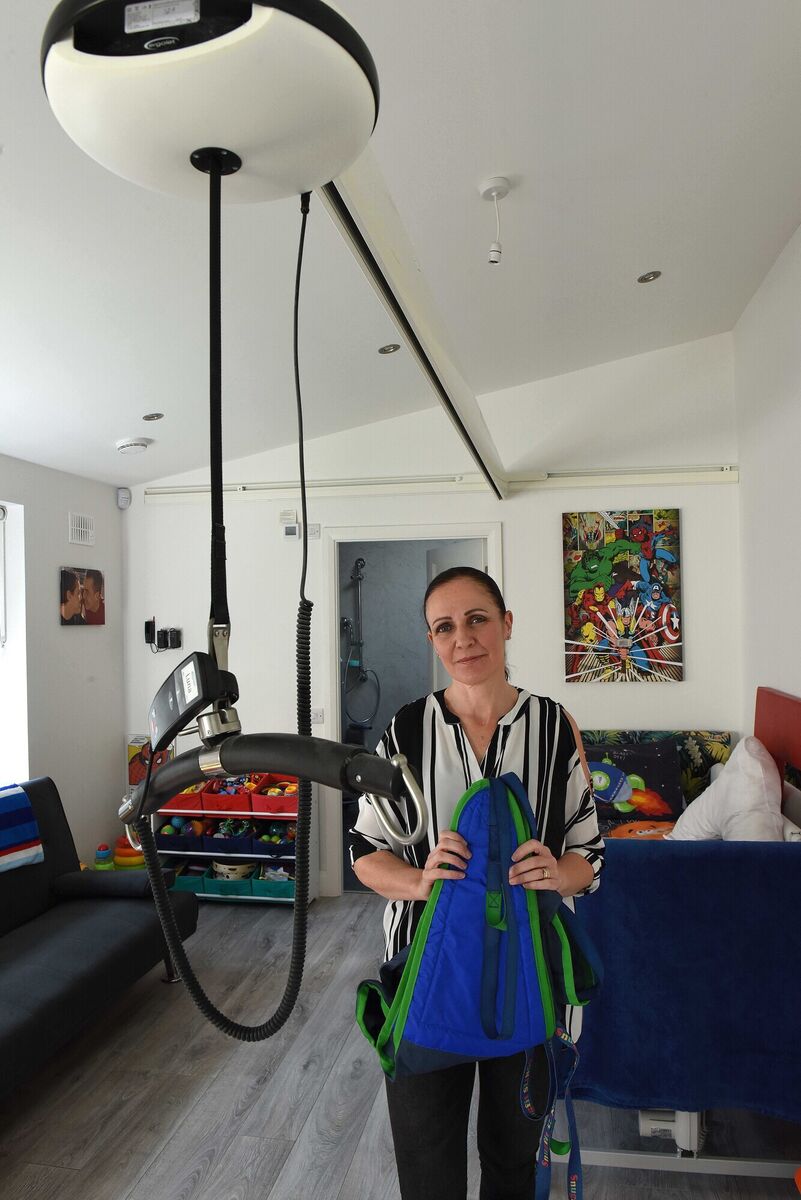
Then there is the charging requirements of Daniel's wheelchair, and the washing machine running three times a day.
"That would be a concern for a lot of parents," she says of energy costs. "Other parents would have suction machines, machines for breathing."
Maintenance on machines is also required twice yearly, and the family has extra bins, paid for by weight.
"It's like if I am putting all this in, what am I pulling back from?" she says.
The actual cost hit home when she recently took part in a 'Covid capsule' project and had to write about her experiences.
"I couldn't believe it," she says, adding that she and other families who care for loved ones are "nurse-like" in their approach.
For Sinead, it's time for the Government to take "a fresh look" at how carers are supported, amid the rising costs that are going to impact all of us, one way or the other.
CONNECT WITH US TODAY



Be the first to know the latest news and updates