Almost €900m of Russian assets frozen by Ireland
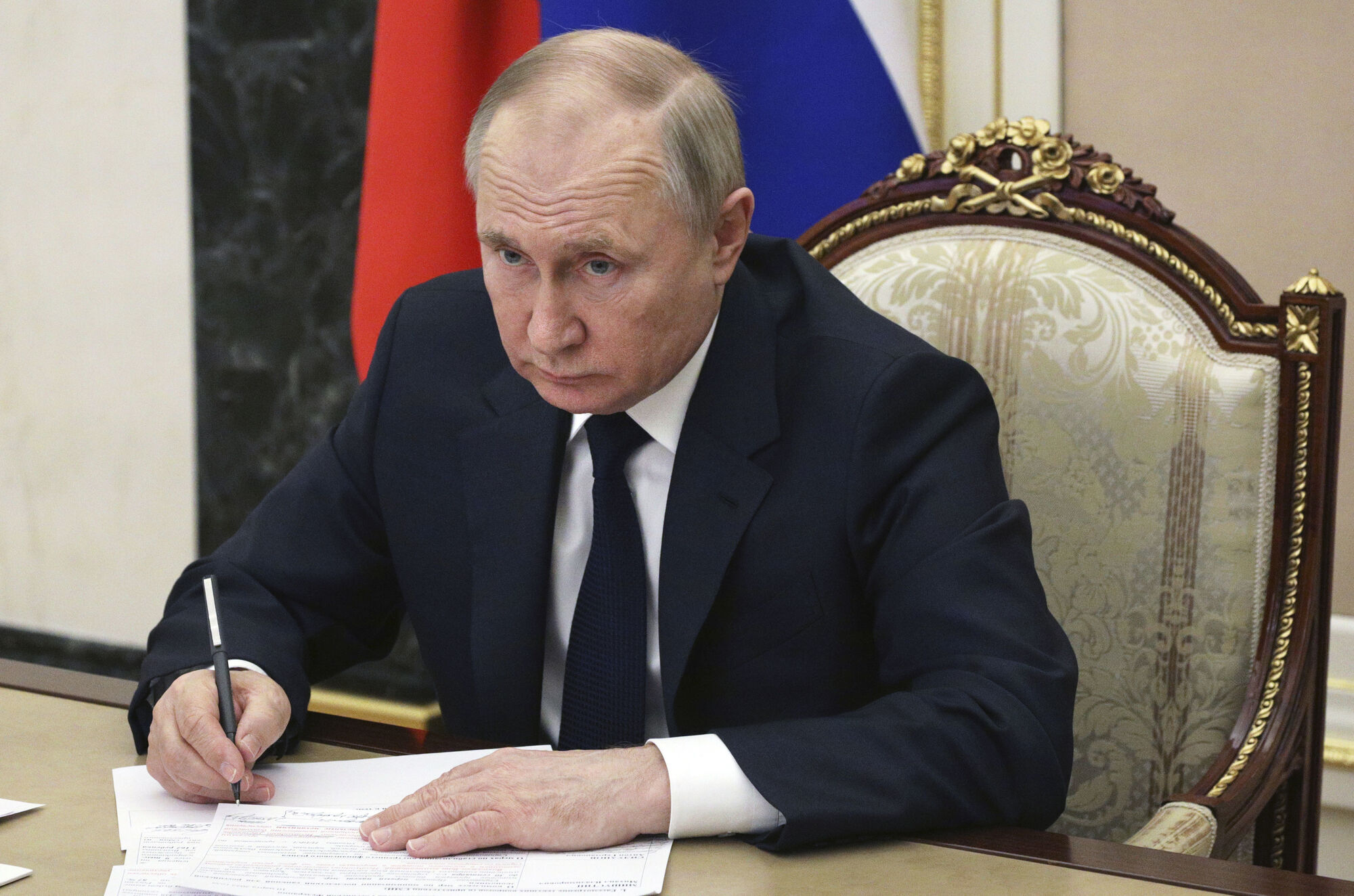
Almost €900m worth of Russian assets have been frozen by Ireland under sanctions aimed at financially crippling top officials, businessmen, and politicians linked to Vladimir Putin. Picture: Mikhail Klimentyev, Sputnik, Kremlin Pool Photo via AP
Almost €900m worth of Russian assets have been frozen by Ireland under sanctions aimed at financially crippling top officials, businessmen, and politicians linked to Vladimir Putin.
Nearly 700 individuals have been placed on an EU blacklist as part of a raft of sanctions imposed on Russia in the wake of the Ukrainian invasion, with member states ordered to freeze bank accounts and other assets.
The Government has notified the EU Commission that the total value of assets frozen to date in Ireland is almost $920m (US dollars) and just over €18m.
This figure could increase further in the coming weeks, with a Government spokesperson saying: "Typically, up to now, notifications of asset freezes to the Commission took place on an annual basis. In the light of recent developments, member states are being asked to provide more frequent notifications."
The figures were released as Taoiseach Micheál Martin moved to downplay comments made by Ukrainian president Volodymyr Zelenskyy about Ireland's response to the attack on his country.
Mr Martin said he “wouldn’t read too much into” Mr Zelenskyy's statement in Brussels that Ireland was “almost” supporting Ukraine.
He said he had spoken to Mr Zelenskyy by phone last week, adding that Ireland is a leading supporter of accelerating Ukraine’s bid for EU membership.
"Obviously, we're a militarily neutral country but we explained that we facilitated the EU peace facility which has been of enormous support to the Ukrainian people," said Mr Martin. "So I wouldn't overstate it, quite frankly."
A spokesperson for the Ukrainian Embassy in Dublin later said the people of Ukraine are "highly grateful and appreciate Ireland’s huge support".
Meanwhile, the EU has agreed a deal with the US to boost the supply of liquefied natural gas (LNG) to European countries to help to reduce the reliance on Russia.
“We’re coming together to reduce Europe’s dependence on Russian energy,” said US president Joe Biden.

CONNECT WITH US TODAY



Be the first to know the latest news and updates