Ukraine: What happened today, Friday, March 25?
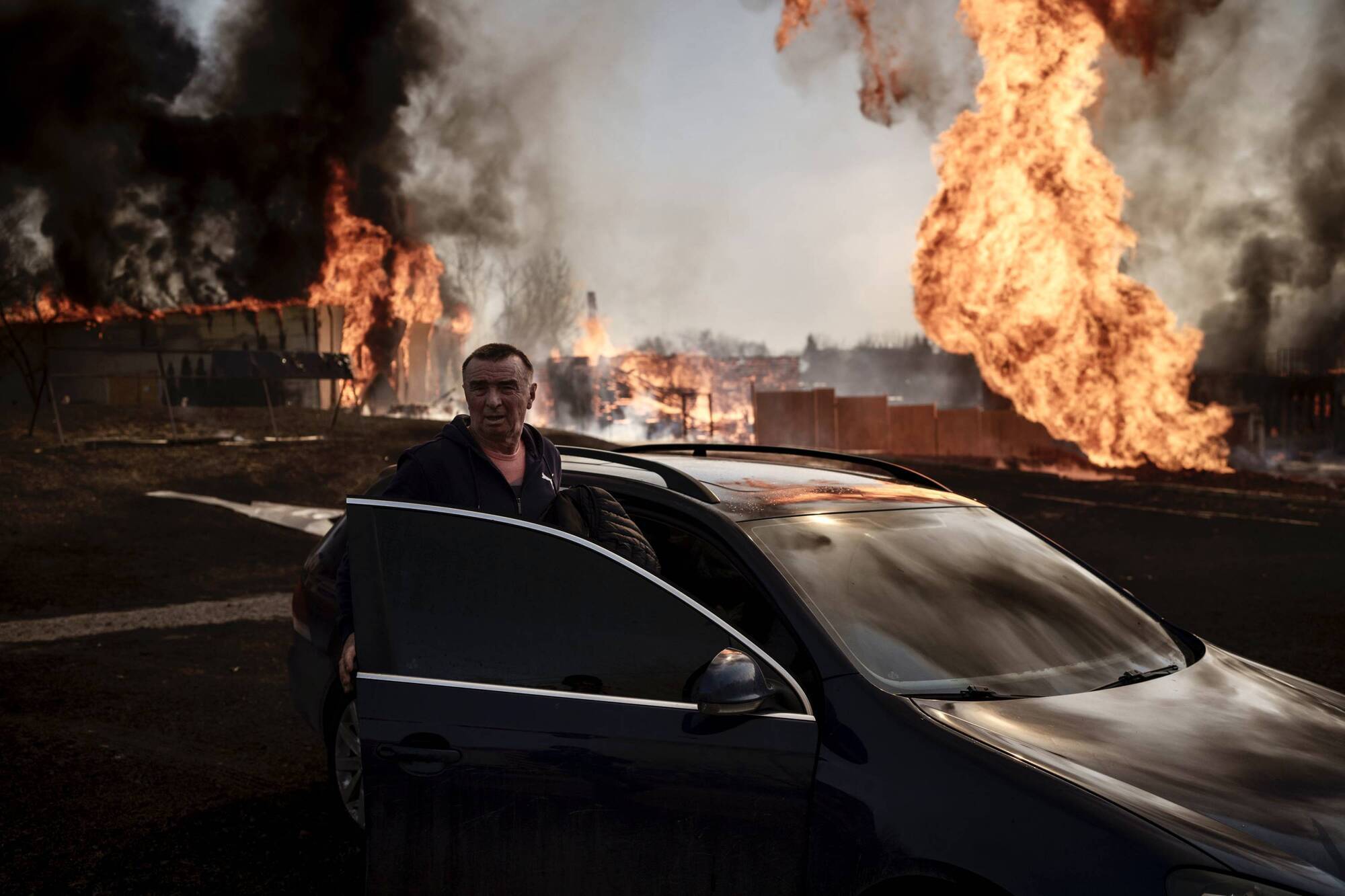
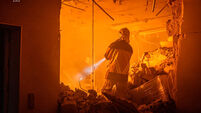
A man enters a car to leave the area of a fire, following a Russian attack in Kharkiv, Ukraine. Picture: AP Photo/Felipe Dana
Ukrainian officials say the death toll from a strike on a theatre last week in the besieged southern port city of Mariupol is in the hundreds — the deadliest single attack since Russia’s war started a month ago.
During a nightly video address, President Volodymyr Zelenskyy called on Ukrainians to keep up their resistance to Russia’s invading forces, insisting that his nation is “getting closer to victory” with every day.
Here are some key things to know about today's events in the Russia-Ukraine conflict.
About 300 people were killed in the Russian air strike on a Mariupol theatre that was being used as a shelter, Ukrainian authorities said, in what would make it the war’s deadliest attack on civilians.
The bloodshed fuelled allegations that Moscow is committing war crimes by killing civilians, whether deliberately or by indiscriminate fire, with a Nato official saying Russian President Vladimir Putin’s war is “unprovoked, illogical and also barbarian”.
The post on its Telegram channel cited eyewitnesses for the death toll of “about 300.”
It was not immediately clear whether emergency workers had finished excavating the site or how the eyewitnesses arrived at the horrific death toll.
Before it was struck, an enormous inscription reading “CHILDREN” was posted outside the theatre in Russian, intended to be visible from the skies.
More than 1,300 people had been sheltering in the building ahead of the March 16 attack.
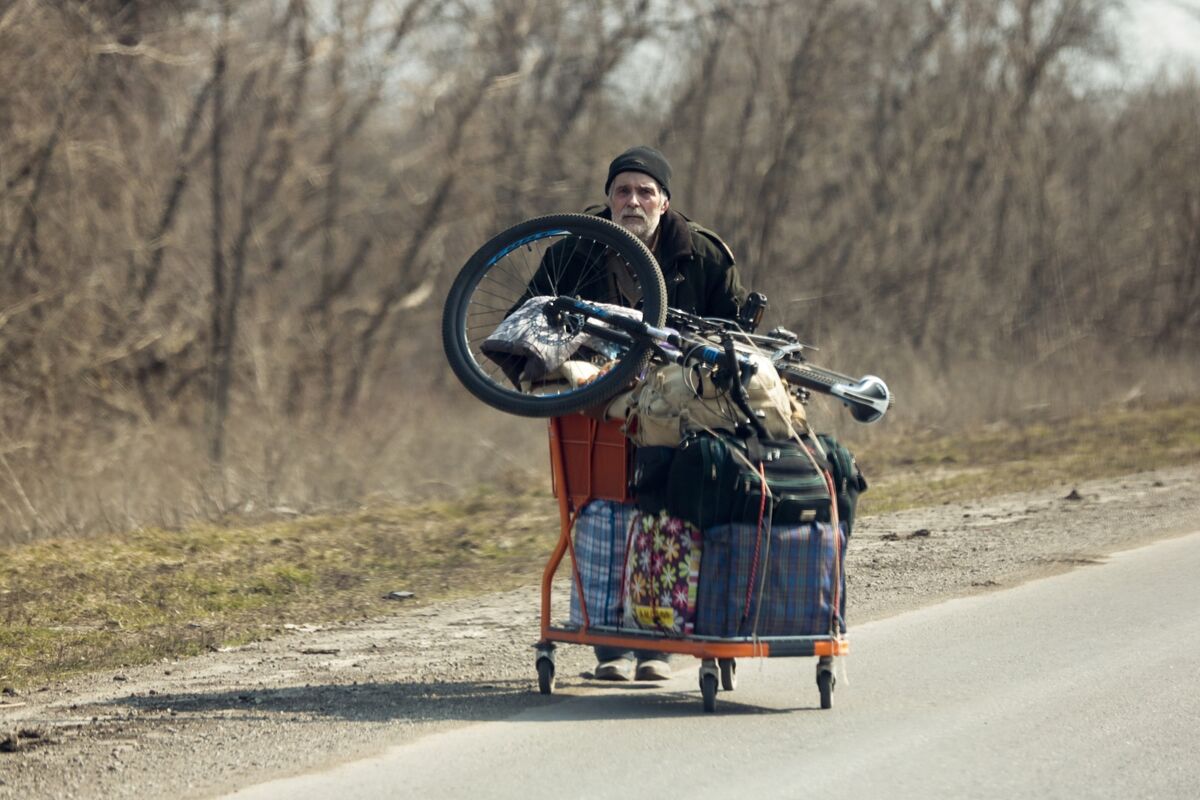
Tens of thousands have fled Mariupol in the past week, most of them driving out in private cars through dozens of Russian checkpoints.
The city of Zaporizhzhia, the closest urban center, has become a waystation of sorts before they continue further to safety.
“Unfortunately, nothing remains of Mariupol,” said Evgeniy Sokyrko, one of those who left. “In the last week there have been explosions like I’ve never heard before.”
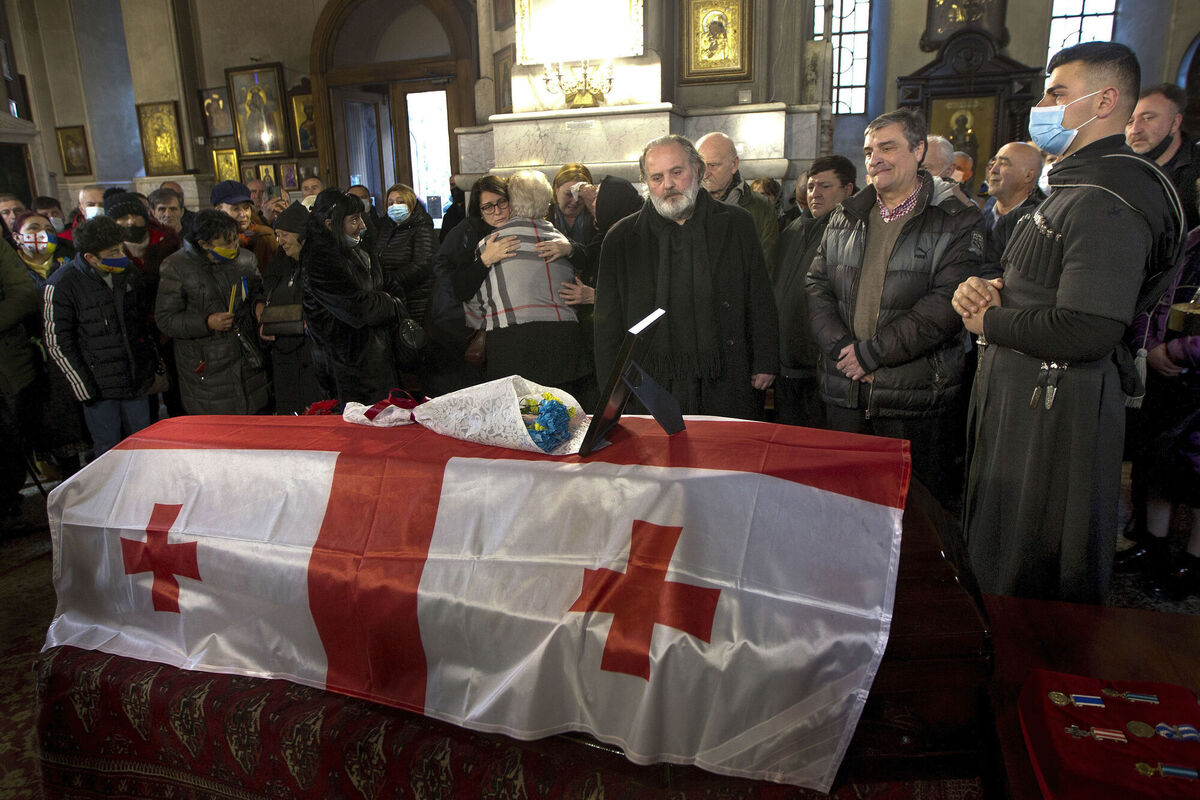
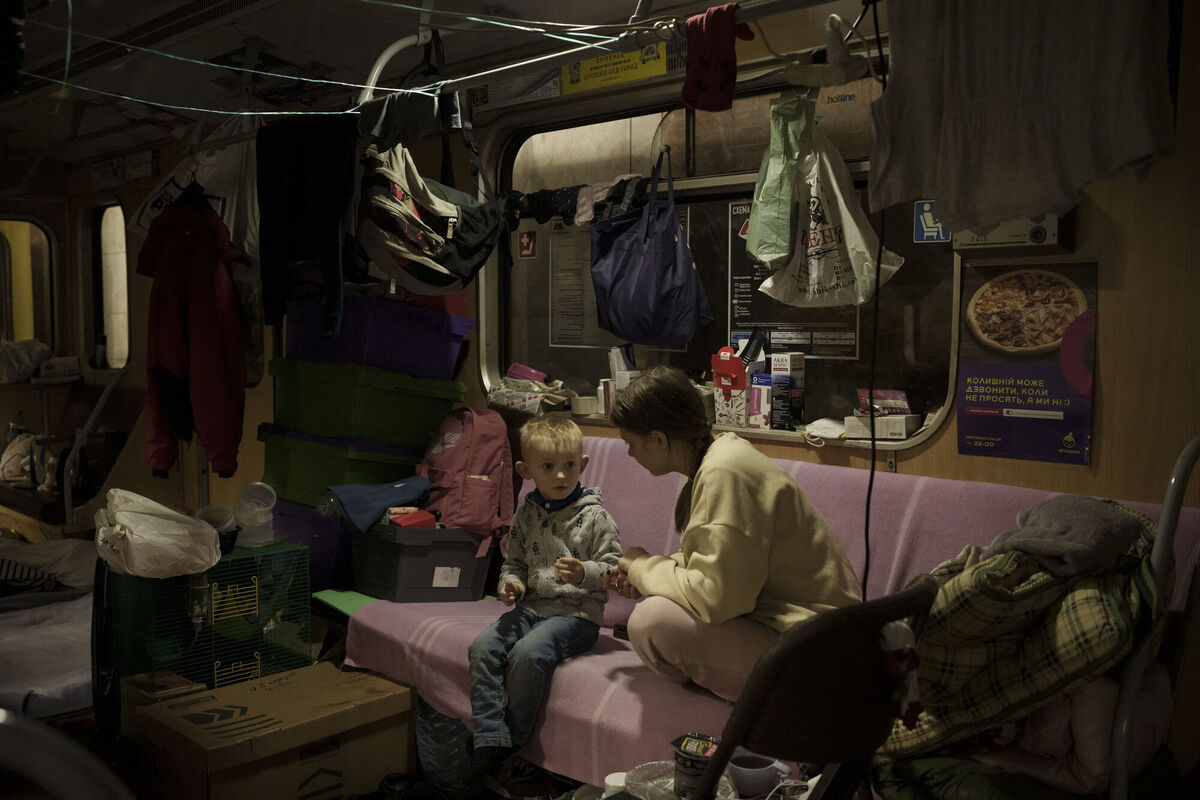
UN High Commissioner for Refugees Filippo Grandi said on Friday that since Russia’s invasion started, almost a quarter of Ukraine’s population — more than 10 million people — have been forced from their homes.
Some 3.7 million refugees have fled the country, the fastest-growing refugee crisis since World War II. Also, 6.5 million people have been displaced within Ukraine, and at least 13 million are estimated to be stranded in affected areas or unable to leave, he said.
“Millions have been living through the horror of war in Ukraine,” Grandi said.
“Without an immediate end to the fighting, this unspeakable suffering and mass human displacement will only get worse.”
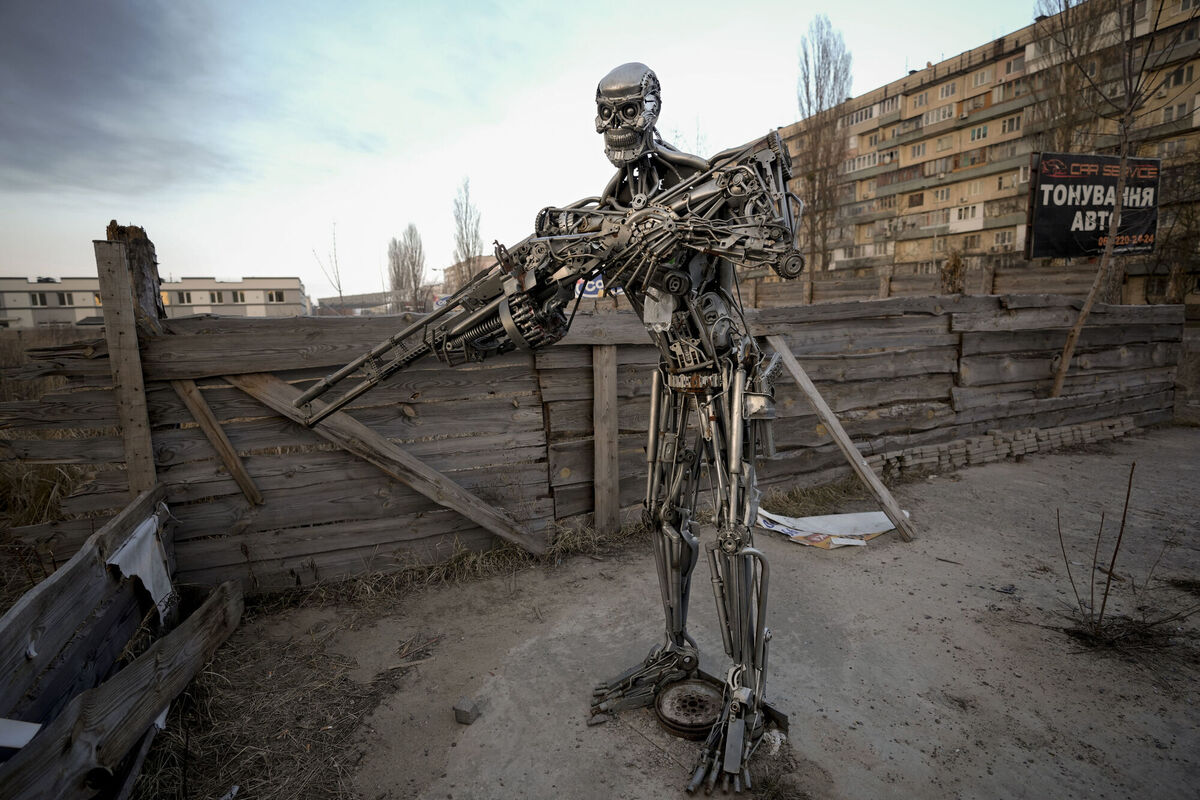
Ukraine officials say Russian troops are confiscating passports from Ukrainian citizens in territory they’ve taken, then moving them to “filtration camps” in Ukraine’s separatist-controlled east before sending them to distant, economically depressed areas in Russia.
Lyudmyla Denisova, Ukraine’s ombudsperson, said 402,000 people, including 84,000 children, were moved against their will.
However, Russian Col. Gen. Mikhail Mizintsev said the roughly 400,000 people evacuated to Russia since the start of the war were from the Donetsk and Luhansk regions in eastern Ukraine, where pro-Moscow separatists have been fighting for control for nearly eight years.
Western nations continue to crank up the cost of war for Russian President Vladimir Putin.
The United States and European Union on Friday announced a new partnership to reduce the continent’s reliance on Russian energy, the start of a years-long initiative to further isolate Moscow after its invasion of Ukraine.
As part of the plan, the US and other nations will increase liquified natural gas exports to Europe by 15 billion cubic metres this year, the White House said. Even larger shipments would be delivered in the future.
At the same time, they will try to keep their climate goals on track by powering gas infrastructure with clean energy and reducing methane leaks that can worsen global warming.
Russian Foreign Minister Sergey Lavrov described Western efforts to sanction Russia internationally as “total war.” He said on Friday that the goal was “to destroy, break, annihilate, strangle the Russian economy, and Russia on the whole.”
Meanwhile, Nato Secretary-General Jens Stoltenberg reiterated that any use of chemical or nuclear weapons “will totally change the nature of the war in Ukraine. It will be absolutely unacceptable.”
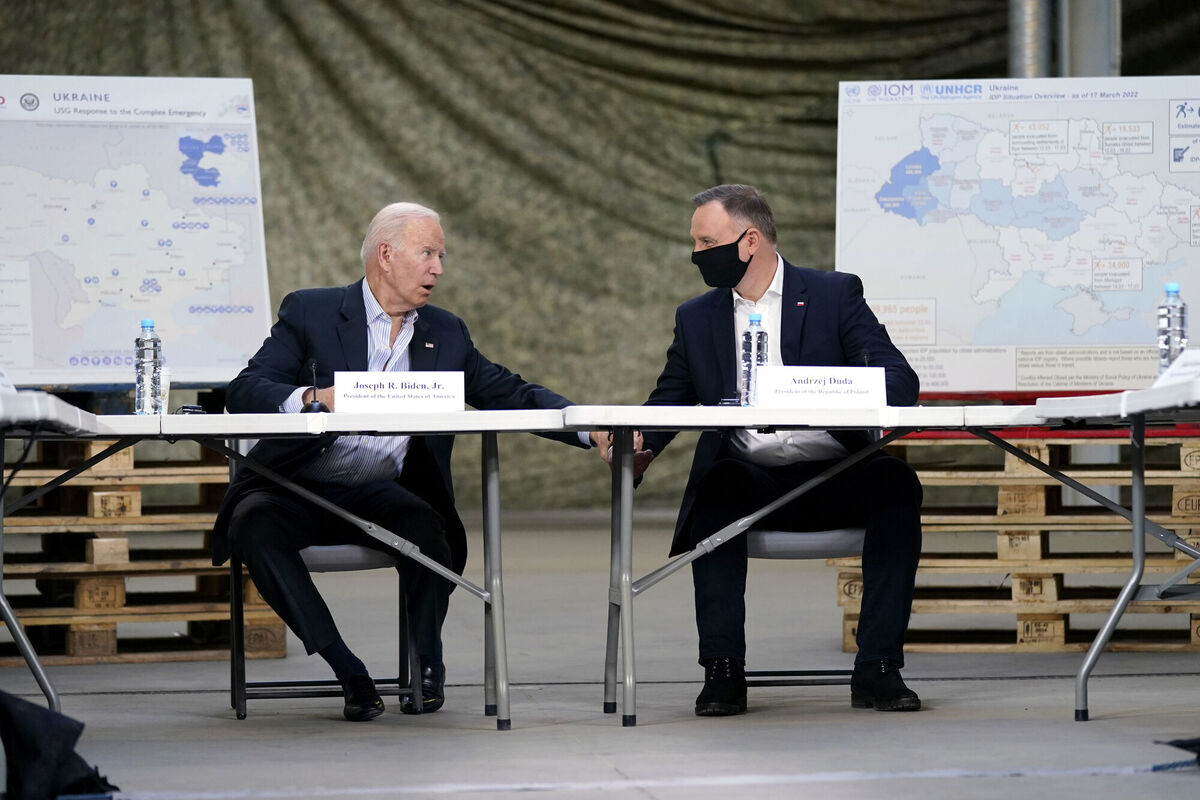
US President Joe Biden is in Poland, his final stop in Europe this week to underscore America’s commitment to protect a key Nato member on Ukraine’s doorstep and to thank Poles for their generous welcome to refugees fleeing Russia’s invasion.
Biden visited US troops stationed near Poland’s border with Ukraine on Friday and was getting a first hand look at the growing humanitarian response to the millions of Ukrainians who are fleeing to Poland to escape Russia’s assault on their homeland.
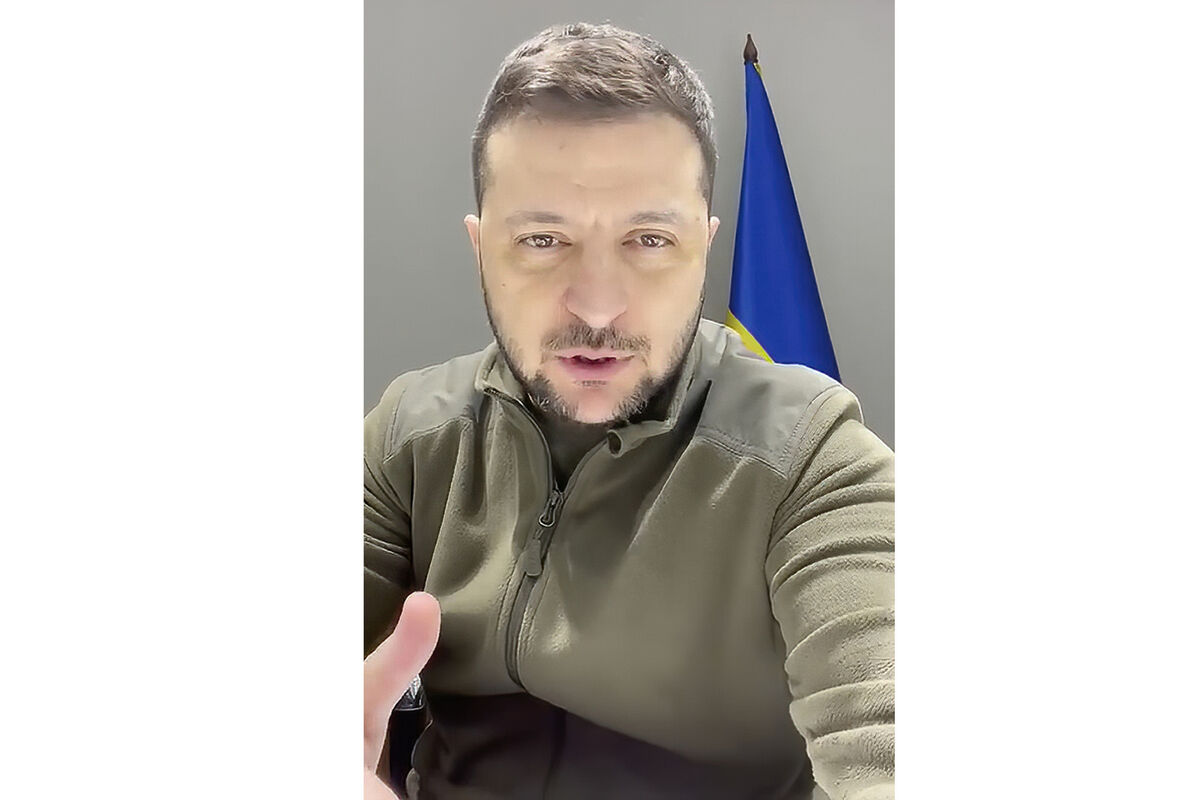
Ukrainian President Volodymyr Zelenskyy has accused Ireland of not being fully supportive of his country's entry to the EU.
However, Taoiseach Micheál Martin said he “wouldn’t read too much into” Mr Zelenskyy’s comments.
“I didn’t see those comments,” said Mr Martin on way to the second day of a two-day summit of EU leaders.
“But that’s not the impression I got . . . he thanked EU leaders for their support so that’s not the sense I got.”
In an emotional speech to European leaders on Thursday, Mr Zelenskyy named the countries he felt were blocking Ukraine's path into the bloc, saying that Ireland was not fully on board.
Mr Martin said that he had spoken to President Zelenskyy by phone last week. Ireland is a leading supporter of accelerating Ukraine’s bid for EU membership.
The deputy head of Russia’s military general staff says that 1,351 Russian soldiers have died in Ukraine. Col.-Gen. Sergei Rudskoi also said Friday that 3,825 have been wounded.
That’s far lower than Nato estimates from Wednesday that 7,000 to 15,000 Russian soldiers have been killed in four weeks of war in Ukraine.
Also, the Russian figure didn’t appear to include the Moscow-backed separatists fighting in eastern Ukraine, and it was not clear whether the toll encompassed Russian forces not part of the Defense Ministry, such as the National Guard.
CONNECT WITH US TODAY



Be the first to know the latest news and updates