Students enrolled in special classes even when capable of joining mainstream
Students enrolled in special classes even when capable of joining mainstream

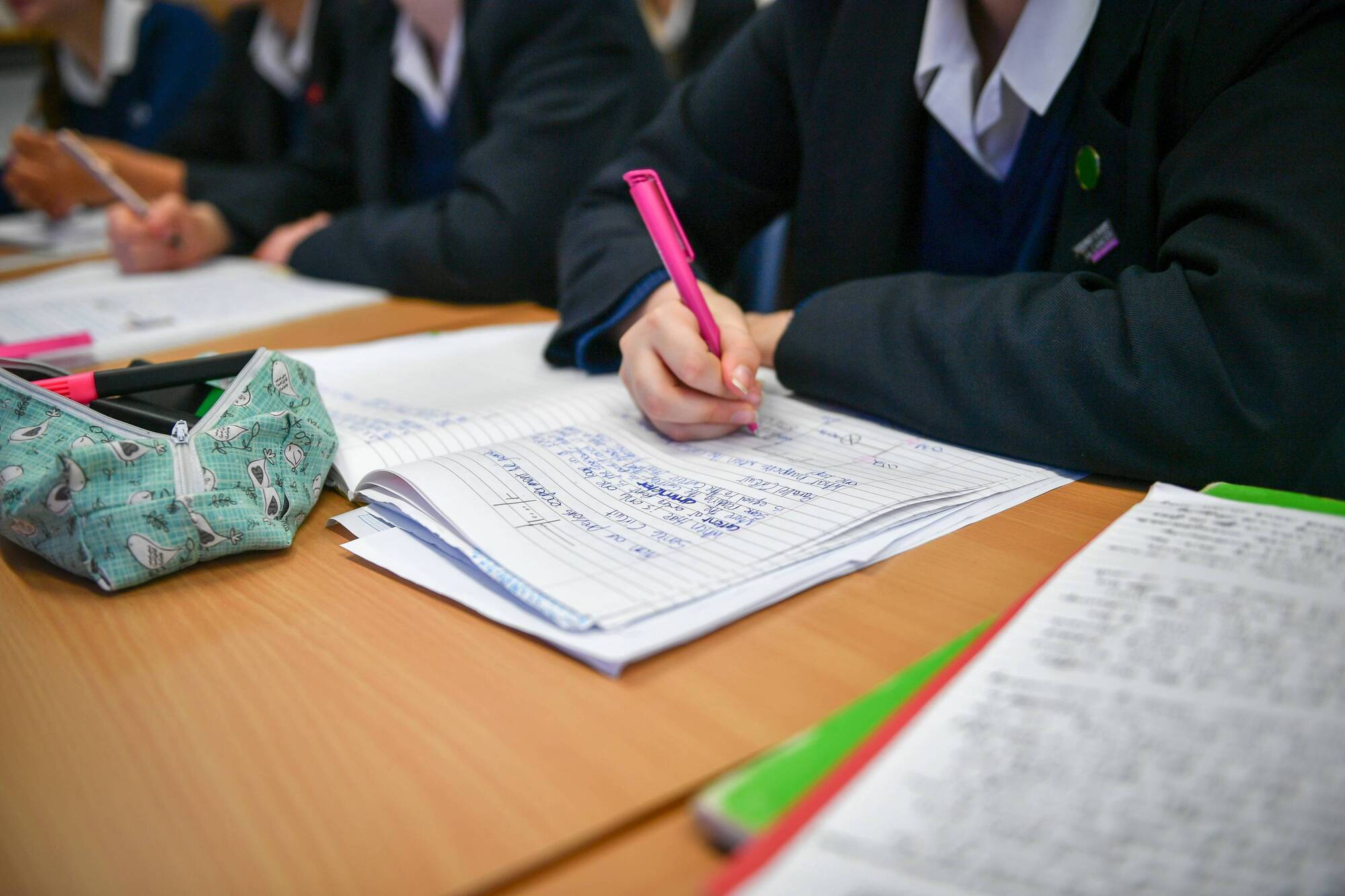
The chief inspector's report is underpinned by almost 10,000 inspections. File Picture: Ben Birchall

Restrictive clauses in enrolment policies are leading to students with less complex needs being enrolled in special classes even though they are "capable of greater integration within mainstream classes”, according to a Government report. 

The latest Chief Inspector’s Report, published by the Department of Education, looked at the quality of teaching and learning across thousands of schools and education settings.

The report points out the number of special classes has risen rapidly in recent years, and there has also been increased demand to open new post-primary special classes as increasing numbers of students transfer from primary schools.

It says that in early 2019, the Inspectorate conducted a series of special educational needs (SEN) evaluations in mainstream primary schools and post-primary schools that had special classes for learners with autism. 

Findings from this indicated that in some schools, particularly at post-primary level, restrictive clauses in enrolment policies resulted in some students with less complex needs being enrolled in special classes, though they did spend most of their time with their peers in mainstream classes.

At the same time, other students with more complex learning needs struggled to enrol in the special classes of the schools.

Moreover, some of the parents of these children and young people were, reportedly, directed towards home tuition or special schools,” the report states.

It says enrolment policies should prioritise places for those with complex needs, and students with less complex needs should be included in mainstream classes with appropriate support. All learners’ placements in special classes should be reviewed formally on an annual basis and school leaders should "allocate appropriately skilled and experienced teachers to the special classes". 

The chief inspector's report is underpinned by almost 10,000 inspections across schools, early learning centres, and education settings. 

While there were fewer SEN inspections at post-primary level, the report notes that it is of some concern that the quality of teaching and learning at this level was noted as just "satisfactory" in a significant minority of the lessons.

The report also classes as "very concerning" pupils' learning of Irish in mainstream primary schools, and says the learning of the language suffered disproportionately due to the disruption caused by the Covid-19 pandemic.

During school inspections, the inspectors observed an “over-reliance” on translation, from Irish to English, as part of students’ experience of the language.

They also highlighted the need for teachers to create more opportunities for pupils to speak Irish “individually and naturally in a sustained manner". 

Schools told inspectors that students’ learning in Irish suffered due to the pandemic as there were “insufficient” opportunities for children to communicate through the language, and to develop their skills in “meaningful communicate contexts". 

The report did find there was evidence of “very strong” performance in English compared to other countries, while Irish pupils also ranked highly in mathematics.

More in this section

Lunchtime News

Newsletter

Keep up with stories of the day with our lunchtime news wrap and important breaking news alerts.

Cookie Policy Privacy Policy Brand Safety FAQ Help Contact Us Terms and Conditions

© Examiner Echo Group Limited